
Everything You Need to Know About Bike Intervals
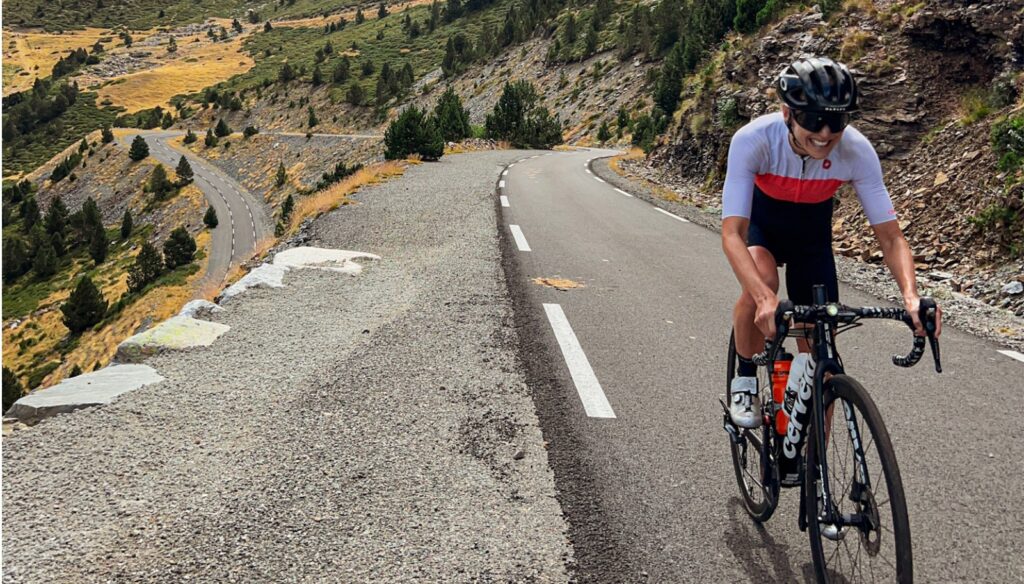
“What separates effective training from junk miles is structure,” says John Wakefield, Director of Coaching at Team Redbull/BORA-Hansgrohe World Tour Cycling Team. “The right sessions, in the right sequence, at the right time in your season.”
The gospel according to coach John couldn’t be any truer. There is a reason every pro athlete in every sport does specific, targeted training sessions. There is a reason coaches schedule detailed workouts at certain times of the year or season. But, if you’re reading this, you probably already know and buy into that philosophy.
What you might not know is how to actually put that plan into action. Sure, your coach has given you some torque intervals or VO2 max efforts with basic instructions–but how the heck do you actually do them? Even if you’re using a virtual platform that automatically changes the effort for you and all you have to do is pedal, there is still a bit of art to the process – route planning, mental prep, nutrition and technique – that goes along with the science of training.
Executing Intervals 101
Read Before You Go: Go through the session before you start riding. Read the instructions from start to finish and ask your coach any questions you may have. You should know the core session by heart so you don’t need to keep checking your phone or rely on your bike computer (especially if it runs out of battery).
Know the Purpose: Understanding the goal of the session is more crucial than it sounds. Knowing what adaptation or energy system you’re targeting will help you make decisions on where to go, how to fuel and how to pedal, while helping you focus on the right metric (heart rate, power, cadence, torque, etc.) and even guiding changes if necessary.
Mentally Prepare: Have a VO2 session that’s going to make you cry? Prepare and pack your tissues. Knowing what is expected, thinking about how it might feel, and how you’re going to respond can help you maximize your performance. If you know you’re going to really be suffering, make the choice before you go about how you’ll respond to those overwhelming feelings. Have an easier session, but are riding with someone stronger? Commit to your own power targets before the ride so you don’t get sucked in by what they are doing.
Plan a Route: Don’t try to do a ten-minute effort on a five-minute hill. Choose the best spot for your intervals by considering the route to get there (including the time there and back), the safety of the road (quiet roads are better when you’re suffering, riding with your head down, or going up and down a hill multiple times), and whether the terrain is suitable for the session. Don’t forget that certain intervals, like long TT efforts you want to perform in the bars, might just be better inside.
Prepare Your Nutrition: Base your nutrition on three elements: duration, intensity and temperature. The higher the intensity or duration, the more energy you’ll need. A three-hour base ride won’t need as much fuel as a three-hour ride with a 45-minute time trial in the middle. Make sure your intervals are well fueled so you can perform at your best and recover for the next day.
Stick to the Plan: Execute the intervals as close as possible to the plan. Don’t go adding an extra five minutes to your recovery just because you’re feeling tired. Likewise, don’t go out so hard that you can’t hit your targets by the end. Power targets, work-to-rest ratios and other elements of a workout are selected for a reason – stick to them so you can stress the right energy system at the right time.
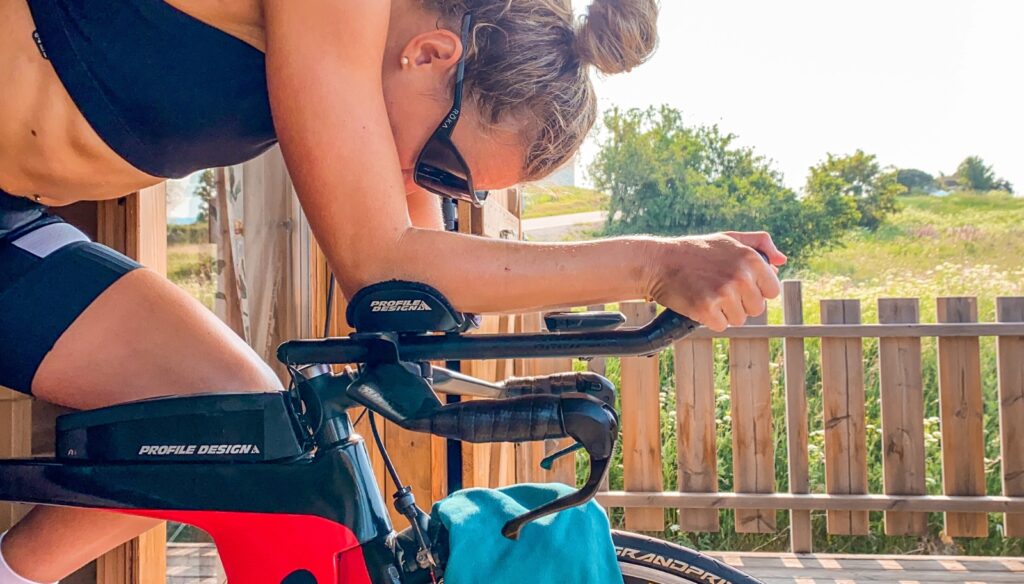
Specific Interval Cheat Sheet
Intervals can be broadly grouped into four categories. Each has a different goal so, along with the above, there are some specific considerations to keep in mind.
Neuromuscular/Torque
Neuromuscular intervals train neuromuscular pathways and build muscular endurance. The goal here is to coordinate muscle fibres to produce high rotational force through intervals at low cadence (often 40–60 rpm) with high torque (force throughout the pedal stroke). The goal here is not power, so make sure you add “torque” as a metric on your bike computer.
The other goal here is pelvic stability. Just like you shouldn’t chase power, you shouldn’t chase torque at the cost of stability – quality over quantity matters here. Stay seated and refrain from shifting your weight with each pedal stroke. Activate your deep core and keep constant pressure on the pedals throughout the entire rotation, not just the downstroke. As you progress, you should be able to stay stable while increasing your torque.
There’s also a tendency to grip the bars and tense the upper body, so keep your shoulders and arms relaxed and ensure your hands aren’t gripping the bars. If you’re inside, take the opportunity to relax your hands completely or try changing hand positions on the bars each interval to build comfort in each position.
For terrain, choose a hill of moderate gradient (around 6%) and, if you want data consistency, perform each interval on the same section of road (riding back down between efforts). Torque intervals can also be done inside, but it can be difficult to manage the cadence, especially in erg mode, so if you’re new to this type of training and have the option, try outside first.
Metabolic/Aerobic Capacity
Efforts aiming to develop aerobic capacity are often longer and target power just below threshold (a.k.a. your FTP or Functional Threshold Power which, basically, is the maximum power you can hold for one hour). The tricky part of executing aerobic intervals is avoiding power variation: stops, soft pedalling, freewheeling, or surges.
Choose a route that avoids downhills (unless you can pedal and maintain power) and traffic lights. For triathletes especially, riding inside works great here since you can sit in aero safely for the entire duration without any interruptions.
Your intervals might start shorter but can develop to be quite long. Ensure you have an adequate amount of fuel so you don’t need to stop during, or in between, efforts.
As with most intervals, avoid going over or under your power/RPE target. These kinds of sessions often feel easy to start, but build to a higher effort level, so many athletes start too hard and their power falls off toward the end.
With that in mind, it might seem like you don’t need that much fuel, but these are the sessions that can put you at a calorie deficit without you knowing. They are a good time to start practicing regular fueling, as a habit and for gut training. Fluids every 15 to 20 minutes (with or without carbohydrate, depending on your nutrition preferences), along with a secondary source (bars, chews, or gels), are a good combination here.
Threshold
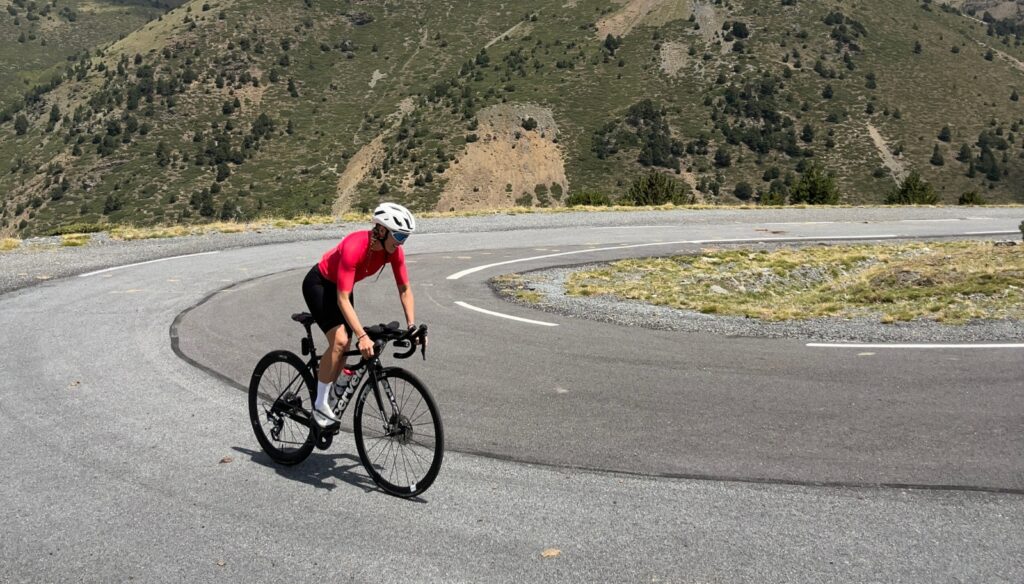
Threshold efforts aim to build power around your FTP. They are key to building sustainable race power and often come in the form of a few rounds of 8– to 15-minute efforts with long, sometimes equal, rest in between.
Pay close attention to the prescribed power output. Your goal is to maintain consistent power throughout all the intervals. The effort should feel pretty hard, but controlled, around an RPE of 8/10. It’s easy to overshoot these and have the power fall off at the end of the session. And, even if you can do one or even two at a higher power, you won’t be stimulating the correct energy system and you’ll miss the intended adaptations. Specific power is key here. If you don’t have a power meter, stick to your heart rate zone and an RPE (rating of perceived exertion) target of 8–9/10.
Threshold efforts are hard and, since they are longer, require mental toughness. Think about how you’re going to feel and how you want to respond in the depths of this workout, when your brain is saying you can’t hold that power for that long and your legs are feeling the burn of fatigue. Knowing how you want to handle that will help when the inevitable arises.
Nutrition can be adapted here too. Threshold efforts are a great time to start bringing in race fuels, such as gels and high-carbohydrate fluids.
A shallow gradient or climb is a great place to start but, for triathletes, a long stretch of uninterrupted flat road where you can sit in aero is great race practice. Alternatively, inside is also great for these so you can maintain consistent power throughout and hold aero if you’re on the TT bike.
High Intensity
High-intensity efforts come in a variety of forms, but they all boil down to power over your threshold. These types of efforts are short, but very hard, and work to boost your aerobic capacity, improving that top-end power.
The effort level here is 9+/10. However, VO2 efforts are also about sustained power. If you have two-minute efforts, don’t start with a maximal sprint and die off. You’re aiming for sustained maximal effort, so start conservatively. A good way to start is to do the first one completely seated. For shorter sprints of 15 to 40 seconds, even if you have a power target, focus on the prescribed effort first and calibrate from there.
If you’re on a TT bike, sustained efforts can be done in, or out of, the bars and standing is okay too. Standing for short sprints is okay, but take the opportunity to sit or get back into the bars as much as you can. For example, for 40-second sprints with 20-second recovery, a standing sprint can be used to get the gear going and then settle into the bars and hold power. Recovery can be done in the bars or sitting up.
High-intensity sessions are often shorter in overall duration, 1 to 2 hours, but “high-octane work requires high-octane fuel” (as my coach often reminds me). Don’t think you can “get away” without fueling; reach for race-type fuel like gels so you can perform your best.
Choose a steady shallow to moderate gradient hill (3 to 6%) for longer VO2 efforts (1 to 4 minutes) or stay on the flat or a shallow hill (3%) for repeatable sprints so you don’t have to recover while climbing. Inside works here too, but erg mode can be tricky for short sprints so try a different setting.



Start the discussion at forum.slowtwitch.com