
Forget the 1% Gains: Go After 10% Breakthroughs
Matthew Marquardt recently analyzed a company’s claims about the effects of broccoli shots. He separated the science from the marketing and, while he doesn’t outright reject their potential, he does point out how marketing can make misleading performance promises.
Marquardt’s exercise was a good reminder for all of us.
Performance fads come and go. Remember when everyone was chugging beet juice? Now it’s broccoli shots, aero calf sleeves and greens powders. And sure, top pros who only have marginal gains left to make can absolutely leverage small benefits—something companies will always shout about. But why chase a 1% gain when you can still invest in a 10% breakthrough?
There’s a reason certain things stand the test of time and a reason all the top pros do them too. They all take time and patience. They aren’t sexy, attention-grabbing, or fun to talk about—but, unlike the empty marketing promises that constantly fail us, these strategies could be the key to your next breakthrough performance.
Instead of Broccoli Shots, Focus on Recovery
Broccoli shots are touted as a way to make you faster (by reducing lactate) and boost recovery (by reducing oxidative stress and inflammation). Instead of splashing out $28 on four “lovely-tasting” broccoli shots, focus on recovery. That means good nutrition, enough sleep and not overdoing it on recovery days. Better recovery allows you to perform better in key sessions and, would you look at that, your FTP improves and you recover faster.
Instead of High Carb, Focus on Consistent Fueling
We’ve all heard the hype about big carb numbers in races and, yes, science backs this up. But, even if you can hit those big numbers on race day or during big training sessions, you won’t leverage all the benefits unless you fuel consistently. That means fueling recovery rides and prioritizing good foundational nutrition outside of training—daily. Just as consistency in training pays off, consistency in nutrition pays off too. You’re better off fueling every session consistently than simply slamming down 120 g/hr on race day.
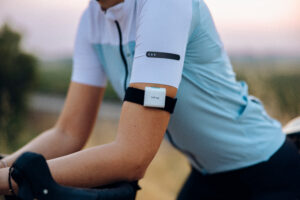
Instead of New Gadgets, Focus on RPE and Heart Rate
There is a lot of new technology out there, and it can all be really useful in specific instances. However, all that data can also be overwhelming and, frankly, useless if you don’t know how to interpret it or if you place too much emphasis on what the numbers are telling you. At the end of the day, nothing trumps the basic metrics of rate of perceived exertion (RPE) and heart rate.
Learning to listen to your body and understand what it’s telling you is a key part of training. All those gadgets can help you interpret those signals, but they aren’t the only way to do it. You can learn to interpret those signals yourself, and you’d be surprised by how good your own body can be at guiding your training. Even the best coaches still rely on RPE as a crucial metric.
A new gadget might give you that extra 1%, but understanding RPE and heart rate is a fundamental skill that is irreplaceable. The marginal gains from technology can be useful, but they don’t compare to having a solid understanding of the two most basic metrics of RPE and heart rate.
Instead of Heat Training, Focus on Race-Specific Prep
Heat training is having a bit of a moment. The “cheap athlete’s altitude training” does work to boost plasma volume (and of course adapt to heat), but it comes at a high cost—something that is often overlooked. The heat stress on the body is immense, and balancing the rest of your training load can be tricky–because you do need to adjust your whole program to account for the additional stress.
Unless you’re specifically preparing for a particularly hot race, focus on race-specific preparation instead. If it’s hilly, ride hills and work on torque. If it’s flat, sit in your aerobars indoors for as long as you can tolerate. Choose specificity over chasing plasma gains.
Instead of Aero Testing, Get a Bike Fit
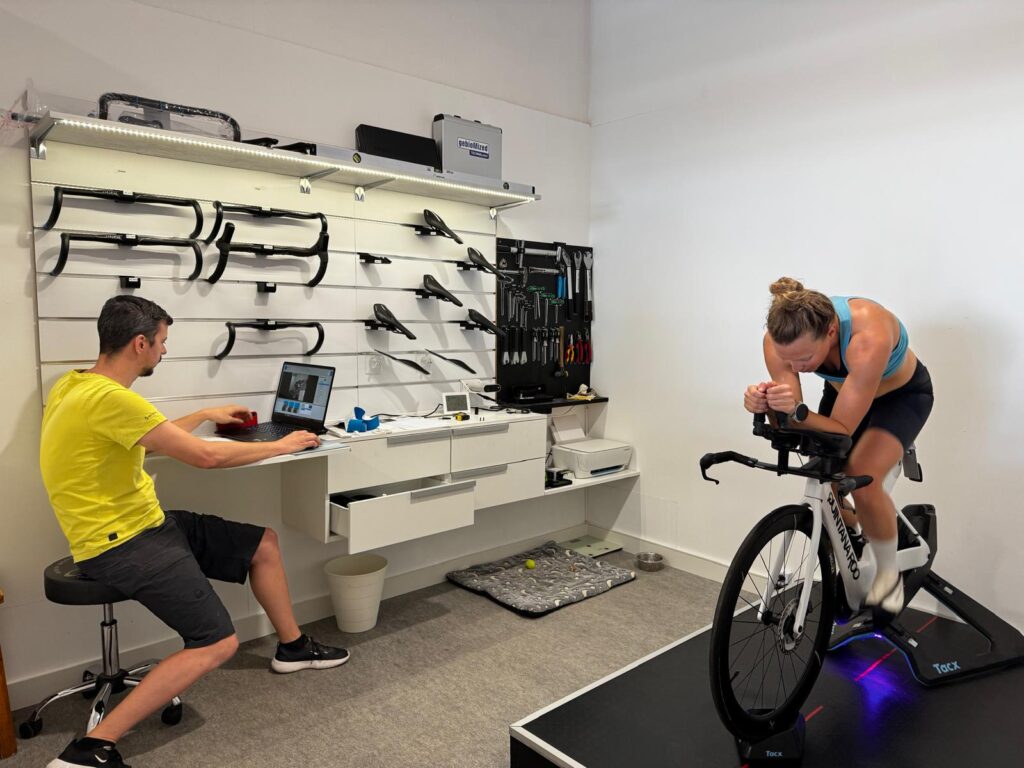
Instead of spending money on aero testing, get a bike fit from someone experienced in triathlon positioning. That alone will get you most of the way there. Drag mostly comes from your body, so an aero-focused bike fit—and understanding how to progress your position—will pay dividends.
Once you have your fit, work on your position by spending time in aero: doing drills, riding in front of a mirror and practicing in different weather conditions. Then watch race day get faster.
Instead of the Norwegian Method, Get a Coach
The high-volume Norwegian method works. But, it certainly doesn’t work for everyone, especially if you have a full-time job and a family. Instead of piling on training hours just because the Norwegians are doing it, invest in a reputable coach.
With strategic planning and smart training, you’ll be more consistent, healthier, faster, and fitter.
Instead of an Ice Bath, Get Some Sleep
Cold plunging (or other recovery modalities that require effort), are never going to be as good as sleep. Rather than faffing around for an ice bath, have a nap or go to bed even twenty minutes earlier. Sleep is by far the best recovery modality there is so put your phone down, skip the plunge and close your eyes instead.


Start the discussion at forum.slowtwitch.com