
Felt NEXAR Long-Term Review: Six Months, Two Continents, and What I Actually Think Now
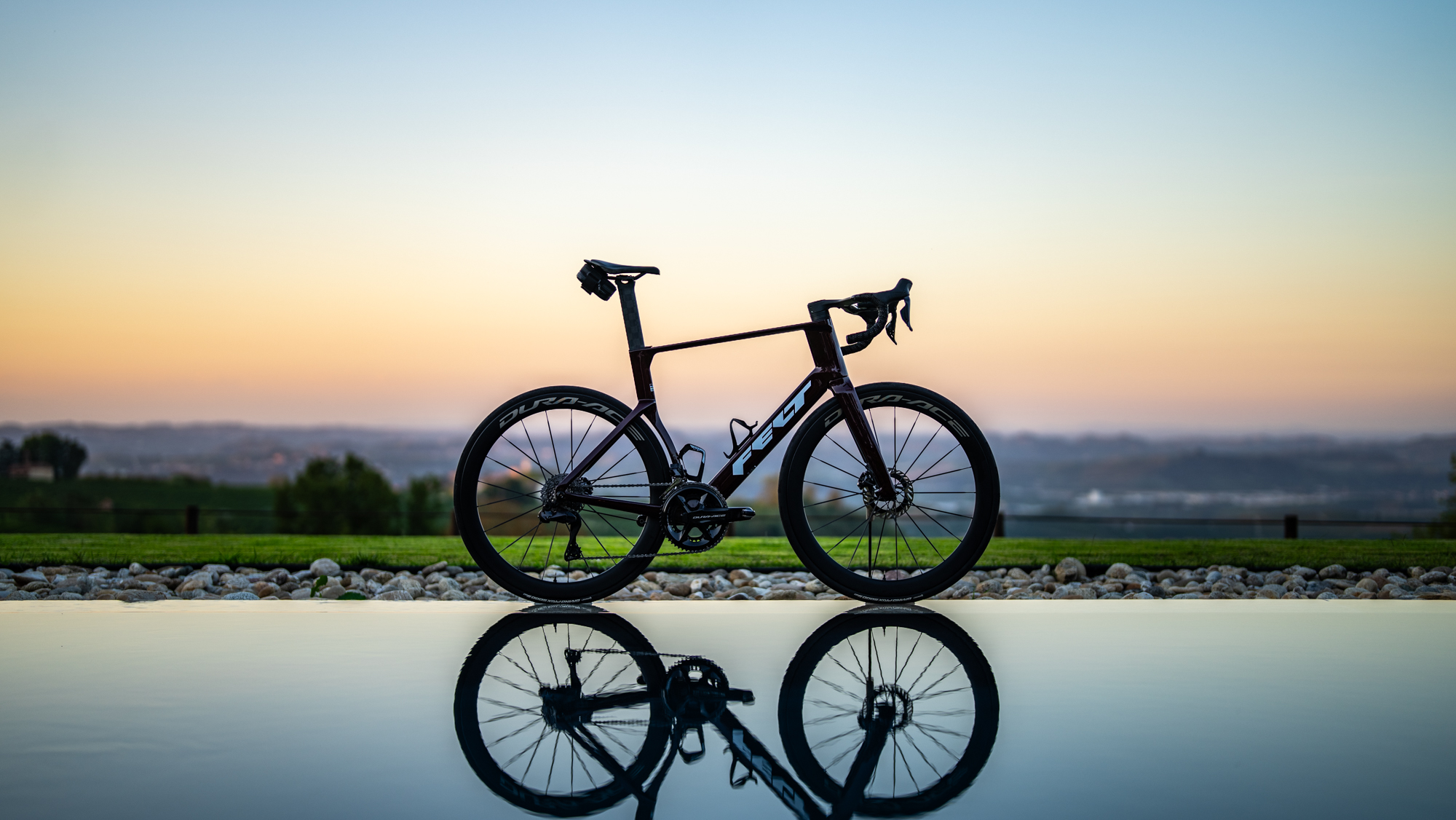
Back in March, I wrote about the NEXAR after a short preview ride in Spain on a bike that was ear marked for current IRONMAN world champion Solveig Løvseth. It was one size too small and it had a TT set up in front. First impressions left me with 80% confidence in my own read of how this bike would handle. I thought the geometry felt right and that climbing in Spain “didn’t suck.”
Now that I have about 6 months and about 700 miles, three different wheel sets, and five different sets of tires on the bike. I have ridden flat roads, mountain rides here in Utah, and I just finished up two-week stretch racking up miles across Europe, So, it’s full follow-up review time — what holds up, what I’ve changed my mind about, and what bugs me after real mileage instead of just that one lunch ride in Spain.
Short version, because I don’t think it needs to be a mystery: this bike really is a gem. Nothing is perfect and this bike has some caveats, but they’re small ones.
Let’s Talk Bike Handling
Let’s be clear: this is an aero road bike. It’s not designed to be the best climbing bike, and it’s not designed to go around corners the best. It’s designed to go straight and fast. That doesn’t mean that you can’t do those things with this bike. It simply means that on a scale of 1-10 this bike will never hit 10 when it comes to anything besides “going straight fast” and even with that I would give this a 9 out of 10. So when you’re thinking about buying one, just keep that in mind because that matters.
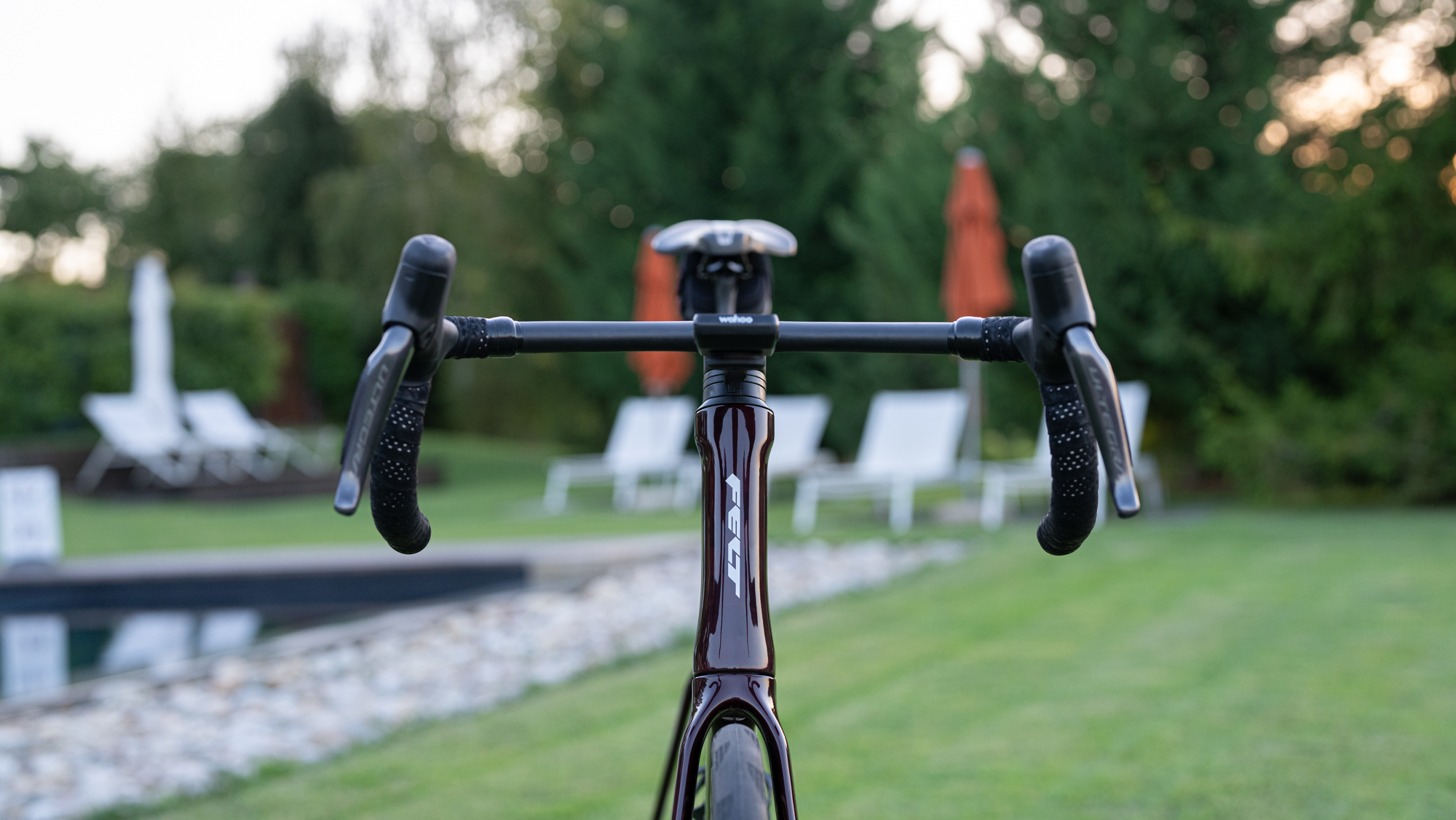
The reason I give it a 9 is because that is how I feel when riding it but also how Felt designed the bike. They have been very clear they want to be very high on as many performance charts as they can and if that means they aren’t the best on just one, they are OK with that. I think they probably gave up a little speed in this category so that this bike could be better at climbing and cornering.
This was probably one of the reasons why two of their main athletes, Solveig Løvseth and Jamie Riddle, turn this frame into a TT set up for IRONMAN 70.3 Worlds in Nice this last week. And outside of Jamie Riddle’s armrest pad issue on the descent It worked out quite well for them both.
The design of this bike is great and probably why I felt comfortable the first time I did my stability test at high speeds.
There is a section on an out and back climb that I do quite often near where I live. It’s up Millcreek Canyon and depending on the wind it can serve a lot of good purposes for testing. If you have a tail wind, you can really bomb it and if you have a head wind, ugh. But what I like about this section is that it allows you to feel how a bike is going to handle at high speeds about as safely as you can. It’s got this long straight decent that moves into a right turn on an angled pitch that allows you to get to it and then start pulling brake as you enter that turn and that turn is when you start to feel your butt pucker up or not.
I tend to do a lot of feel testing on this section. To make sure I got in some comparisons, I did a couple of rides in the canyon using two sets of wheels: Zipp 202’s and Cadex 50 Max’s.
Here is a chart showing that part as well as the ride sections of the descent for reference.
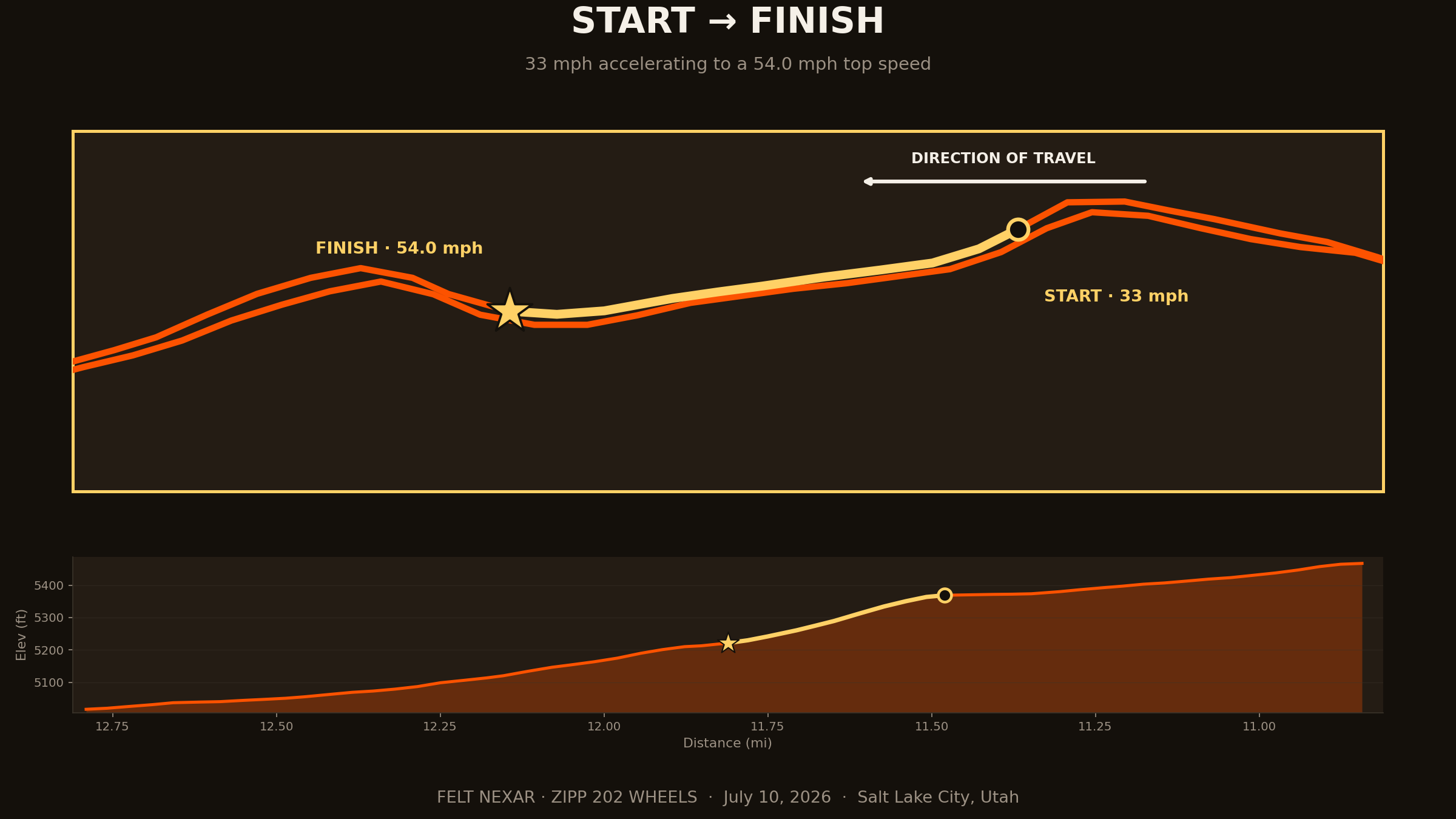
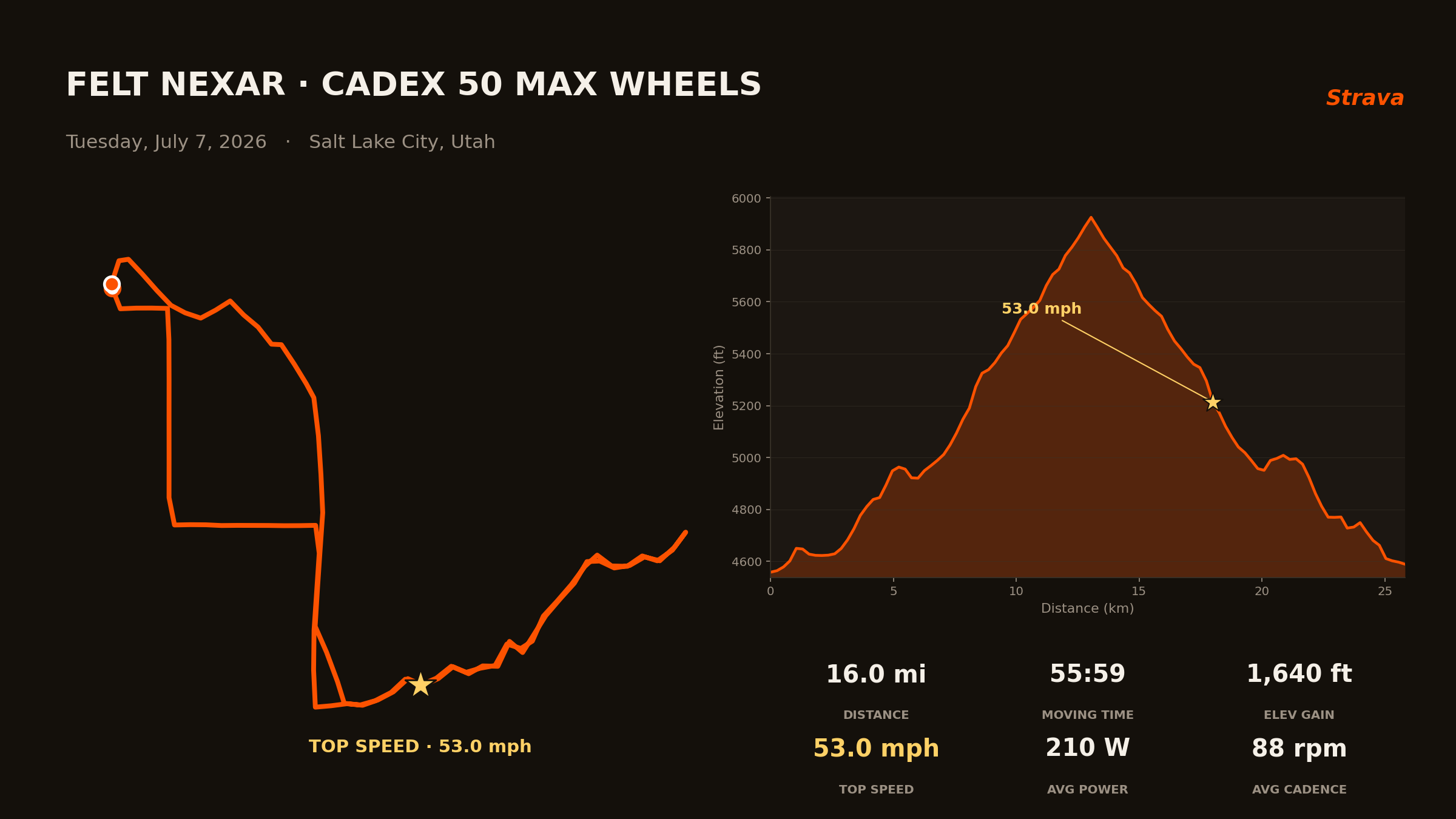
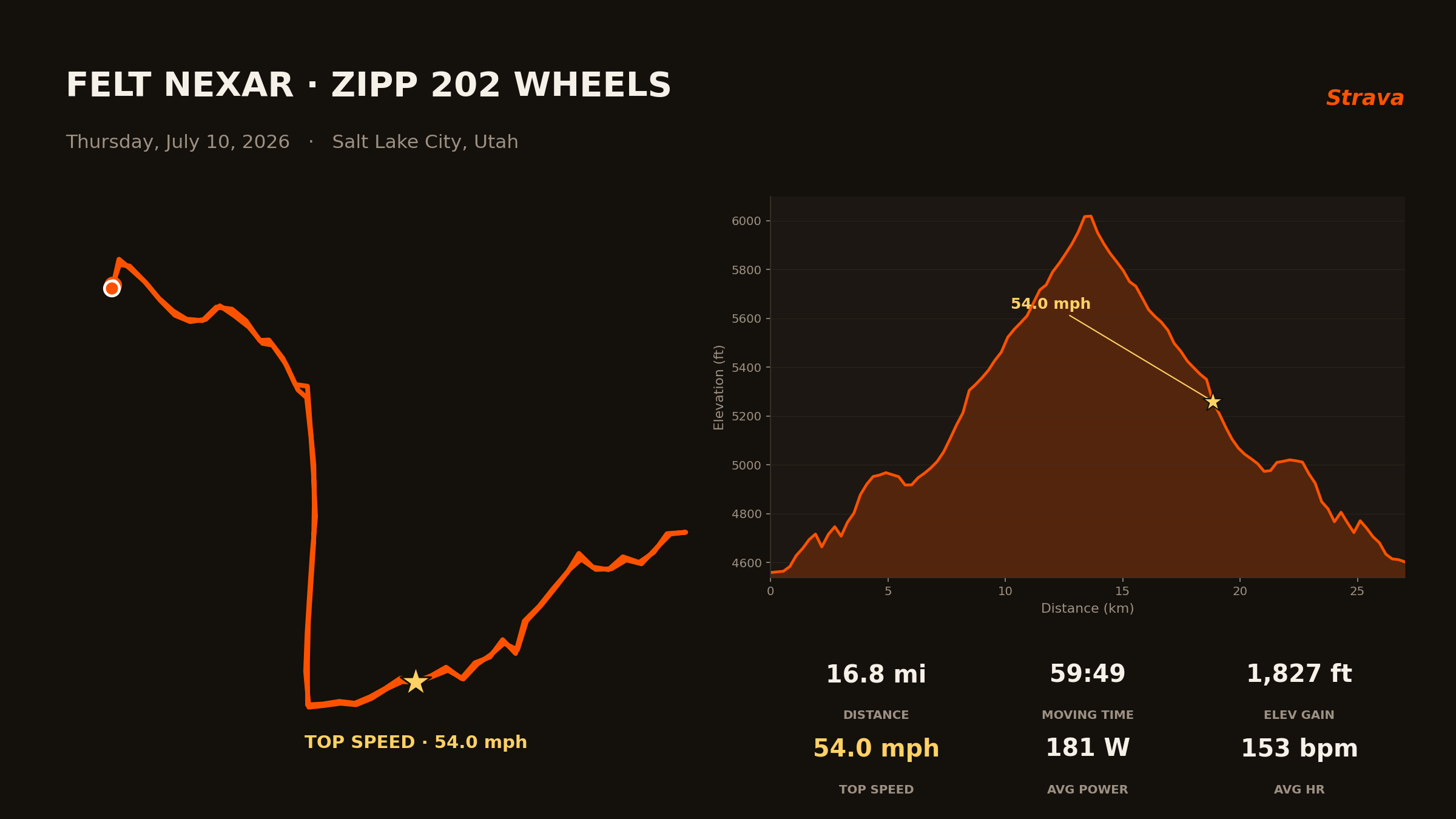
While I was in Europe I didn’t get a chance to nearly go that fast on the curvy European roads. But I didn’t ever feel like this bike was anything but stable at high speeds. And during that trip I was on the new set of Shimano Dura-Ace 50’s. So, once again: different wheels, different environment, same stable feel.
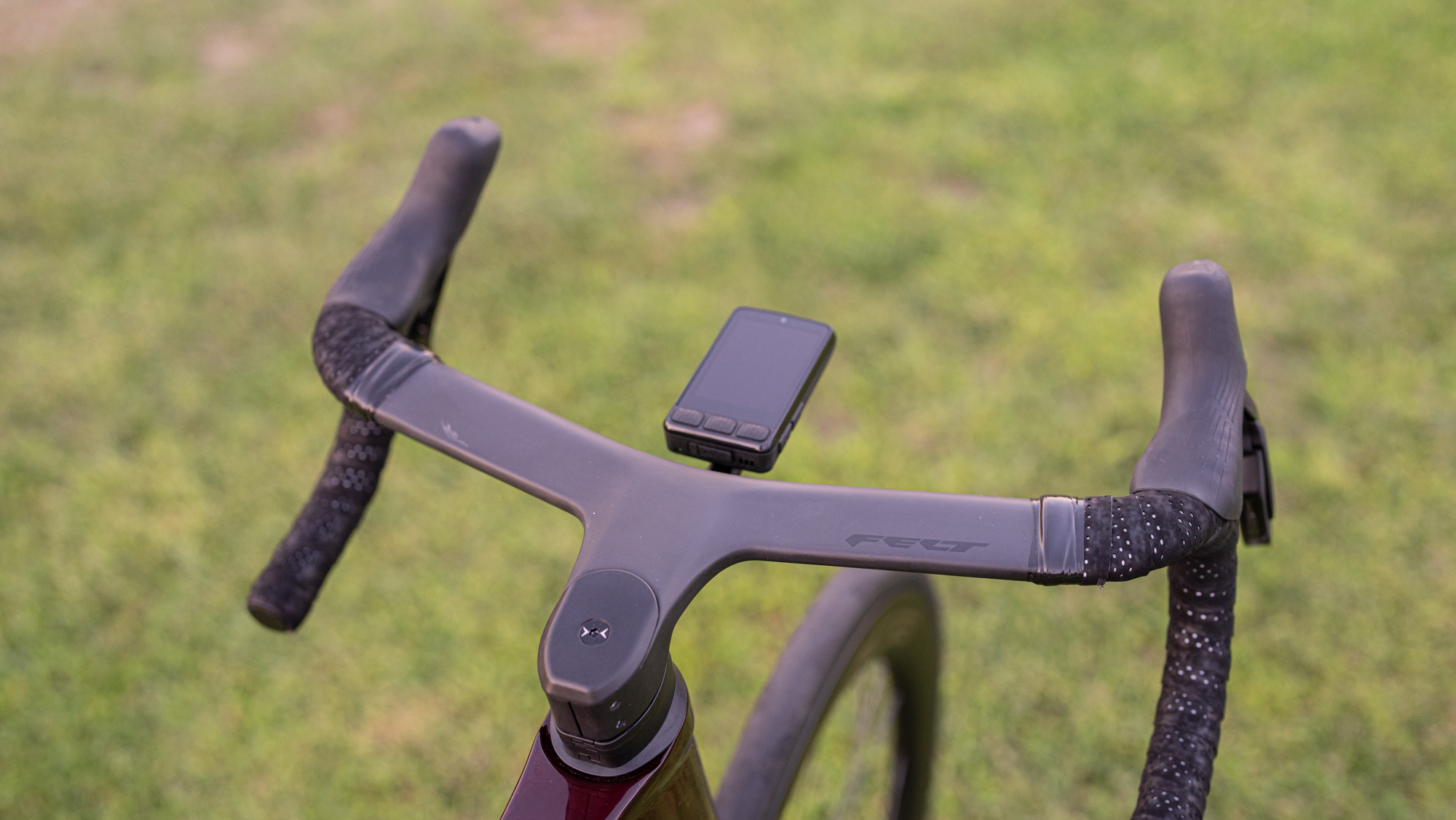
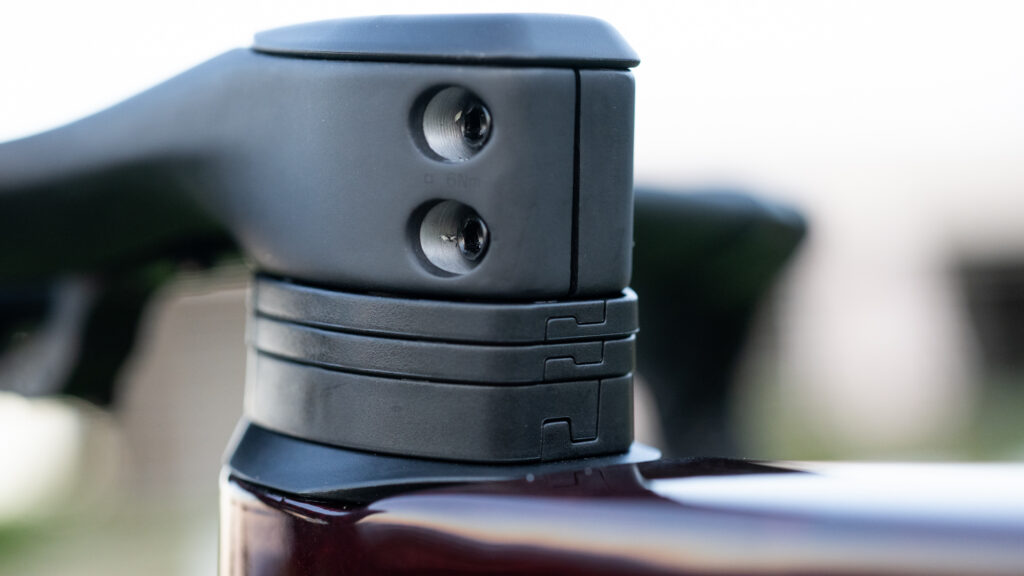
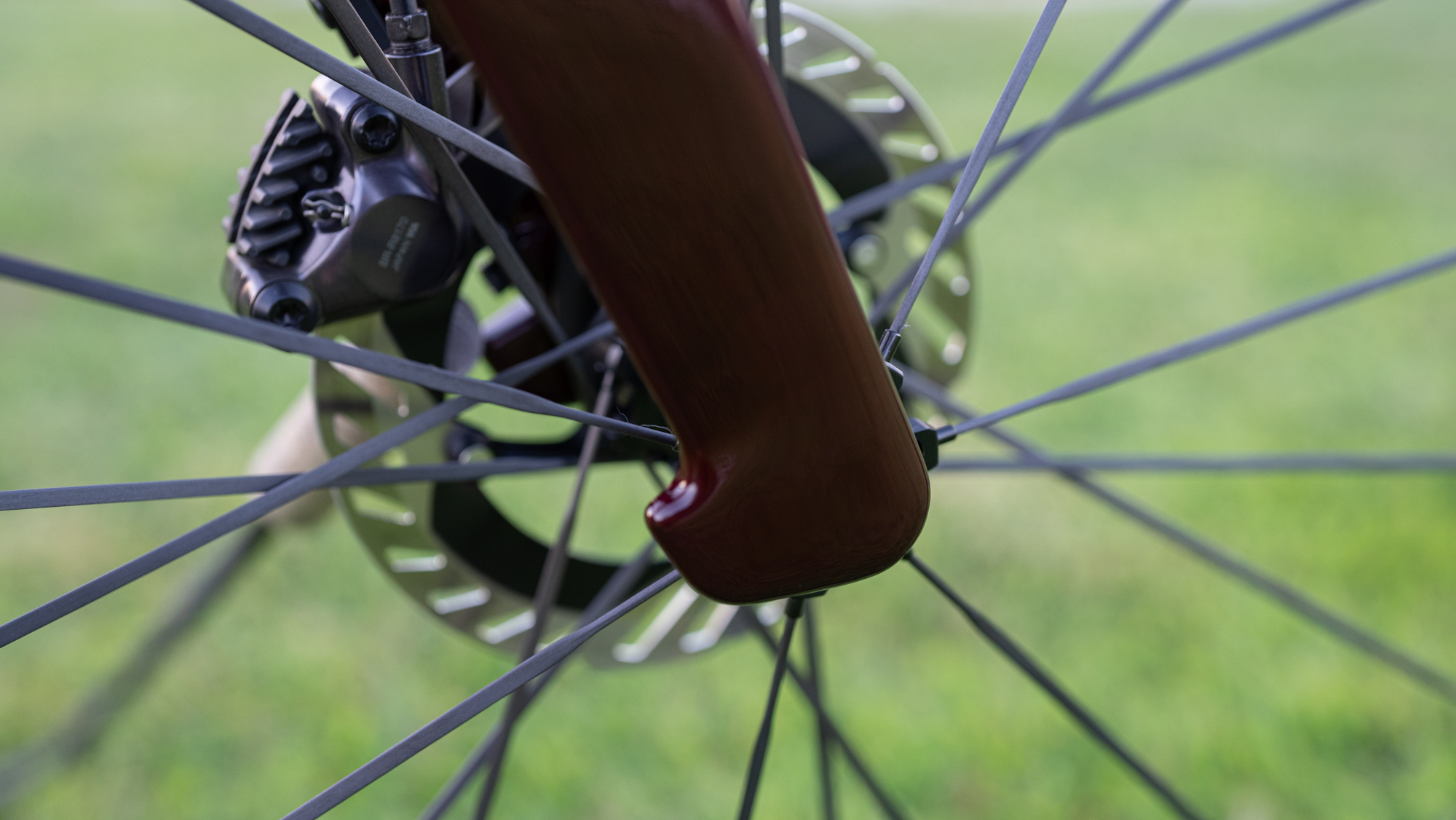
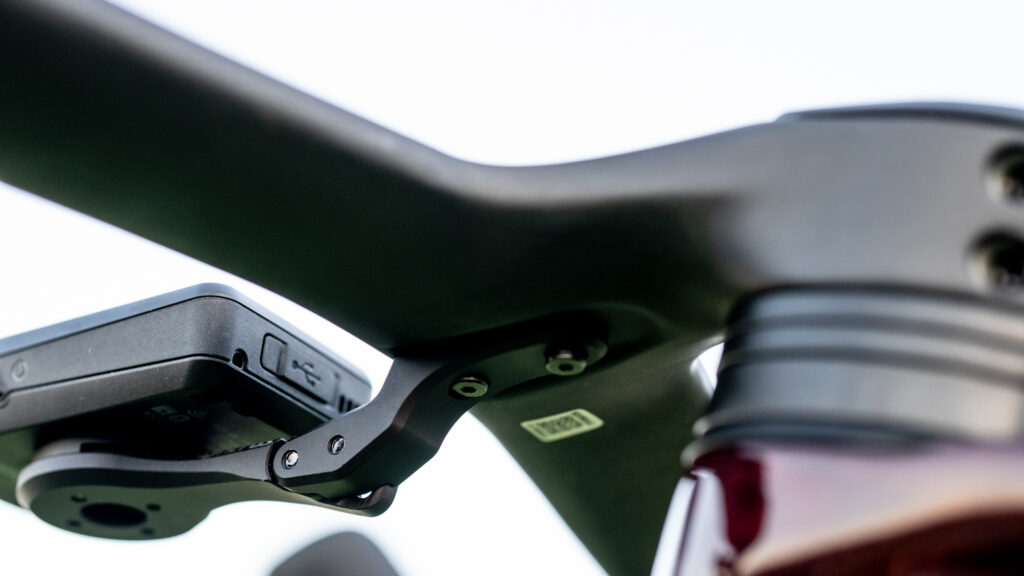
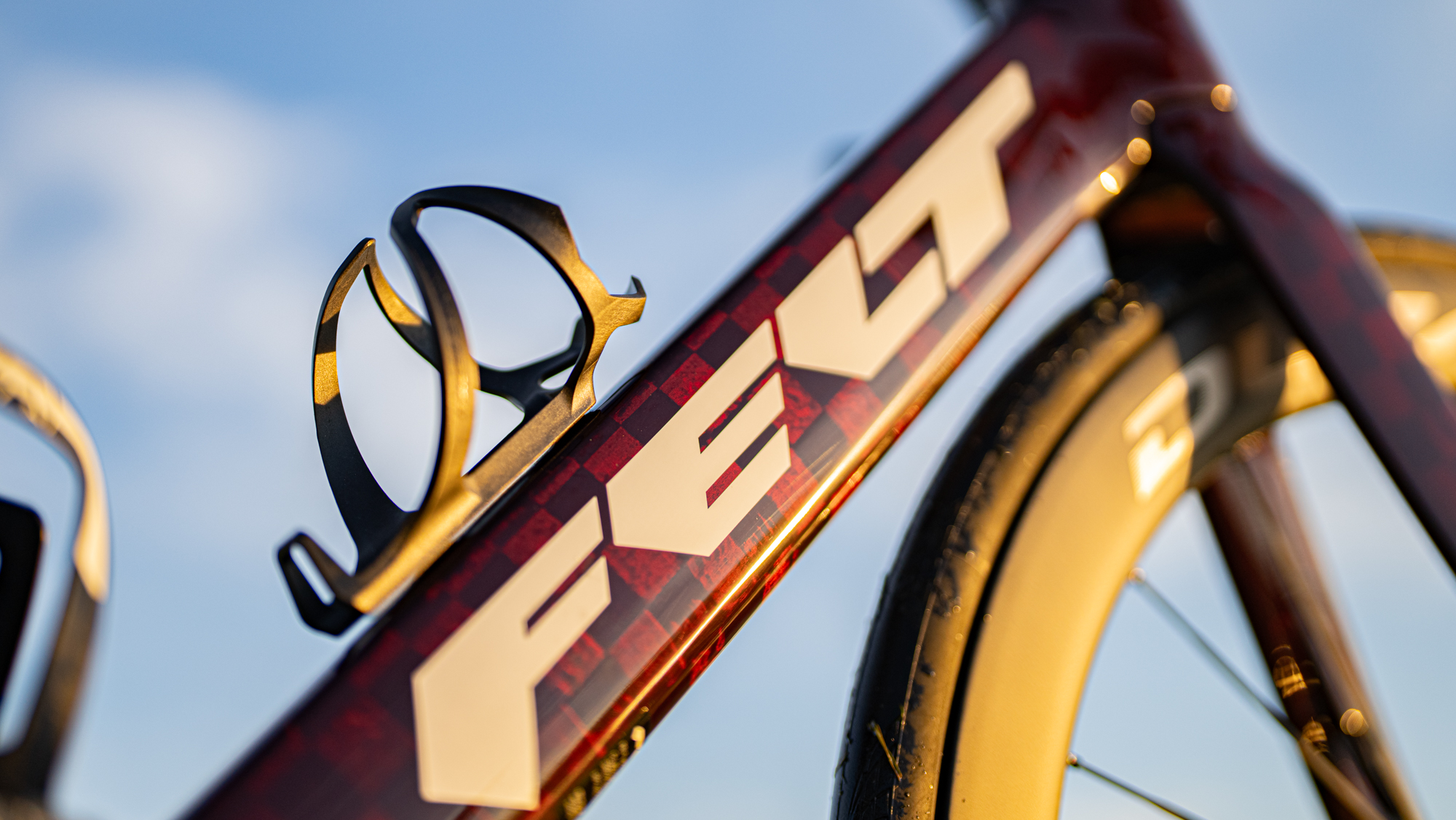
I was also reminded of the details when traveling with this bike as I needed to pack it up.
What I Didn’t Like
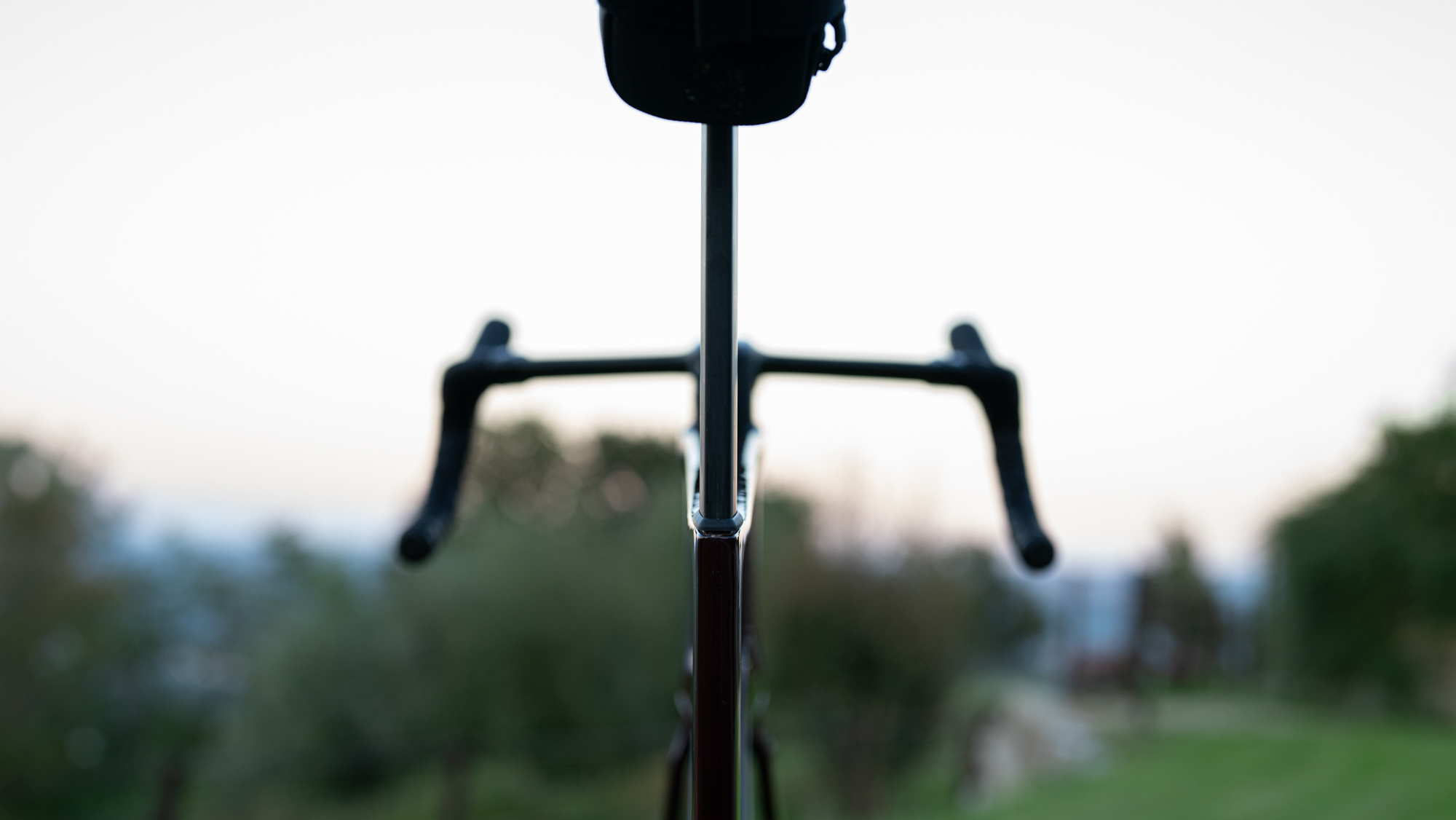
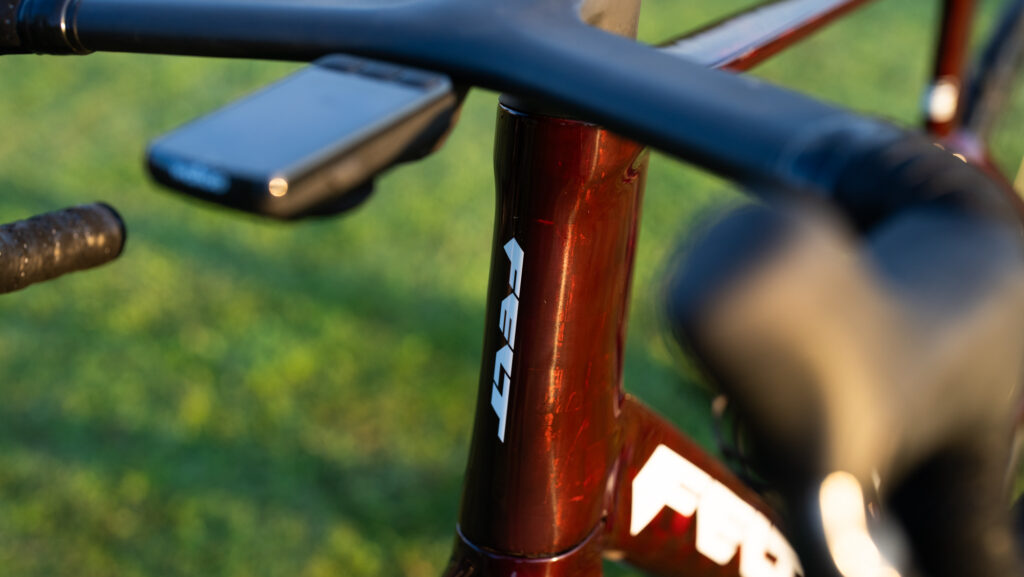
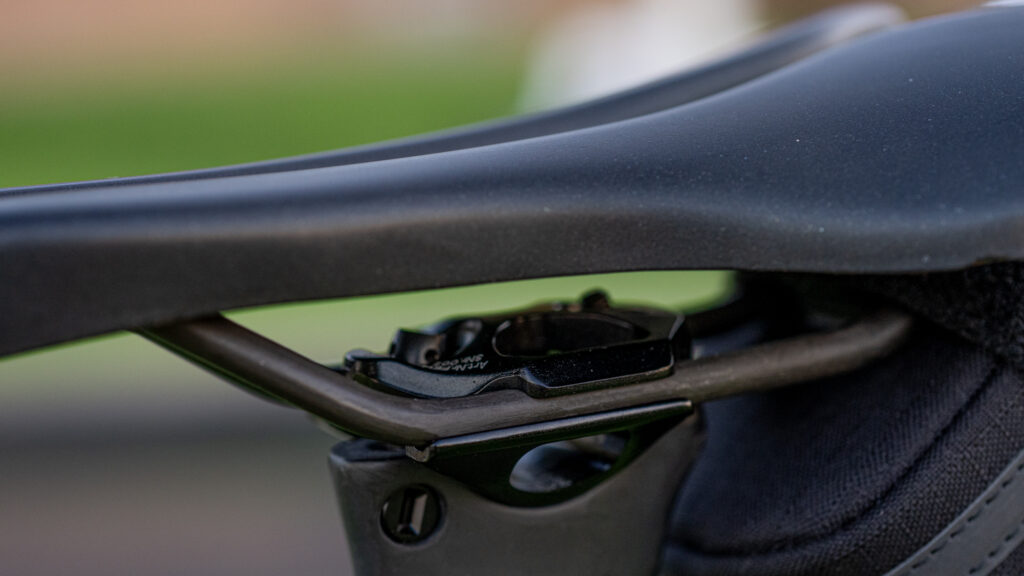
The seat clamp adjustment: If you’re using a split top saddle you’re fine. You really won’t run into this issue. But If you’ve got a saddle that is solid on top you better get your patience meter out, because you’re going to need it. This isn’t a dealbreaker, but on a bike this dialed everywhere else, it’s the one spot that feels like an afterthought rather than something Felt sweated the details on in the same way they clearly sweated the frame layup. Until then, just know that this little bolt on the left is a top tightening bolt and you cannot get a tool in between the bottom of some seats and it.. So you’re going to have to finger tighten it and then pray to the man upstairs that its just the right amount as you tighten and level the seat with the bolt in the rear (which is a bottom facing bolt)
The dealer network: Felt’s pivot to Cesar Rojo and Florian Burguet’s owner-operated, specialist-dealer model was the right call for the brand’s identity. I said as much back in March. But it has a real cost for buyers short term. If you don’t live near one of Felt’s dealers, actually getting your hands on a NEXAR (never mind getting it fit, serviced, or warrantied) is genuinely harder than it is with a Trek or Specialized. This is the tension of the “back to our roots, high-performance, specialist-only” strategy. It’s good for the brand’s soul now and long term, but comes with a little bit of a pain for the customer (for now).
Final Thought
If you live near one of these dealers and you’re looking for a newer aero road bike, there is zero reason (outside the seat clamp) to not look at this bike. It’s a hell of ride.

Start the discussion at forum.slowtwitch.com