
Chasing Aero: What’s Worth It and What’s Not?
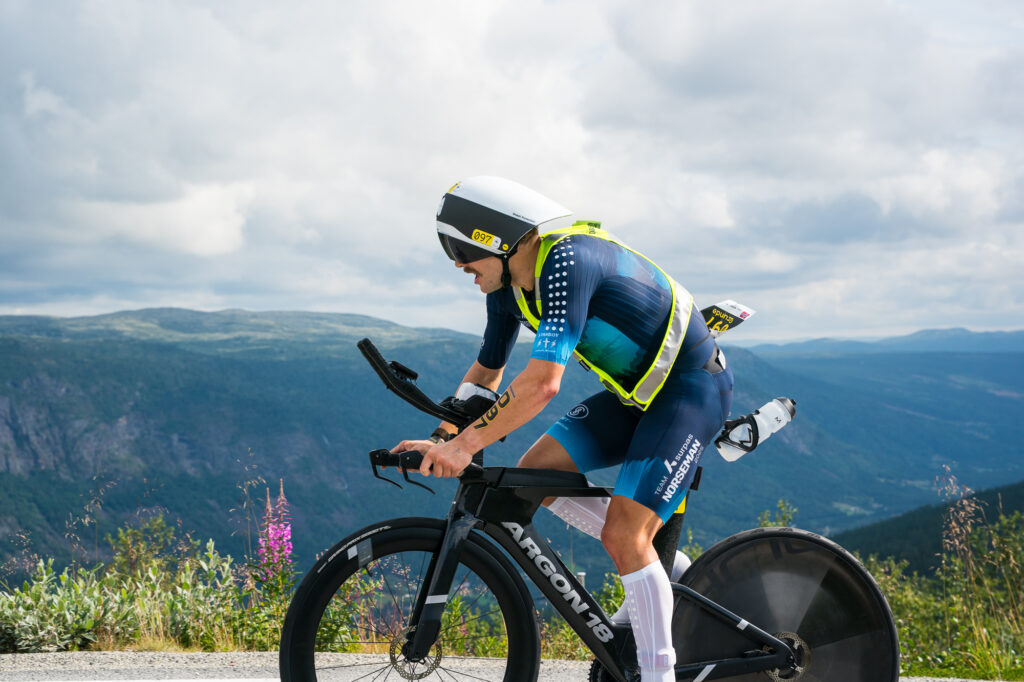
Triathlon is all about getting from Point A to Point B as quickly as possible. This is a goal held by all triathletes, regardless of level. Even if your main hope is to simply finish and you don’t have a specific time that you’re chasing, it’s likely that you would still prefer the fastest possible result.
With this objective in mind, so many triathletes become obsessed with being aerodynamic — specifically on the bike. Cycling and triathlon companies are well aware of this obsession, which is why there are countless aero products on the market. These companies are selling triathletes free (in the loosest sense of the word) speed, whether that’s in wheels, helmets, hydration setups or whatever else someone will bring with them on their bike.
But is all of this worth it? Does the average age grouper need to replicate everything they see professional triathletes and cyclists doing to be as aero as possible? Do products billed as the best or the fastest or the most aero really help that much? A pair of cycling industry professionals say the answer is no, and that aerodynamics rarely — if ever — come with a stock answer that will work for everyone.
Multiple Results
“What you’re going to find is that, nowadays, most of the fastest cyclists in pro triathlon don’t go to the wind tunnel,” says Nick from Wove, an industry-leader in the saddle game who works with many top professionals. “The reason why is because the results are all over the place.”
He points to one pro athlete who tested his positioning and fit at the Silverstone wind tunnel in the U.K. This is “the best wind tunnel in the world,” Nick says, and yet this athlete had two drastically different readings in back-to-back sessions there.
“The first test told him that having water bottles that are pointed straight up and down behind the saddle was the fastest option,” Nick says. “The next time he went in, that wasn’t the case anymore and the results said to position the bottles completely differently.”
If there is variability between multiple tests done by the same person, then there is certainly not a single answer that can satisfy all triathletes.
“There’s a reason we do wind tunnel tests and track tests with every individual athlete,” says Edwin van Vugt, the founder of Speedbar. Like Wove, Speedbar is a top producer in cycling and triathlon, although instead of saddles, van Vugt designs custom aero bars and boasts a resume of work with world champion cyclists, Kona podium finishers and more remarkable athletes.
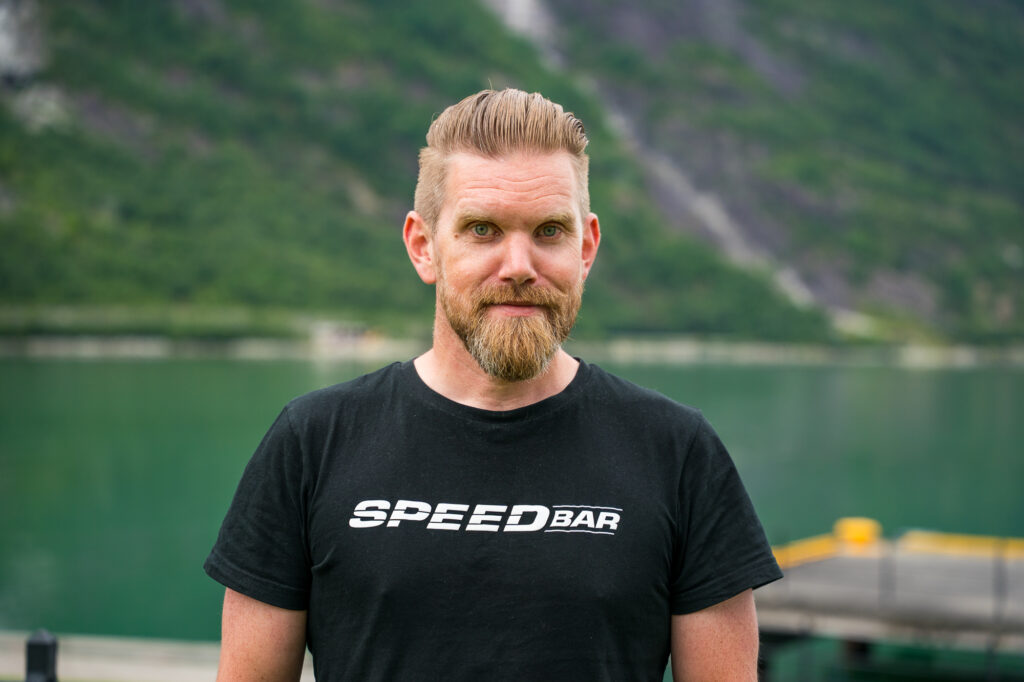
“The outcome for everyone is different,” van Vugt says. “What could be the fastest helmet for Athlete A could be the slowest for Athlete B. If that wasn’t the case, we would just put a dummy in a wind tunnel.”
While Nick’s opinion of wind tunnels differs from van Vugt’s, their points are pretty much the same: a lot can change from test to test and person to person.
Finding Balance
If that is indeed the case — if aerodynamics are a uniquely personal game — how is an age grouper supposed to pick their gear? It’s easy to look at Lucy Charles-Barclay, Kristian Blummenfelt or any other top pro and say, “I’ll go with their setup,” but Nick and van Vugt say it’s not that simple. What helped Charles-Barclay fly to last year’s 70.3 world title may not have worked for Blummenfelt in his record-setting day at IRONMAN Texas earlier this spring, and what he used might not be ideal for any number of age groupers.
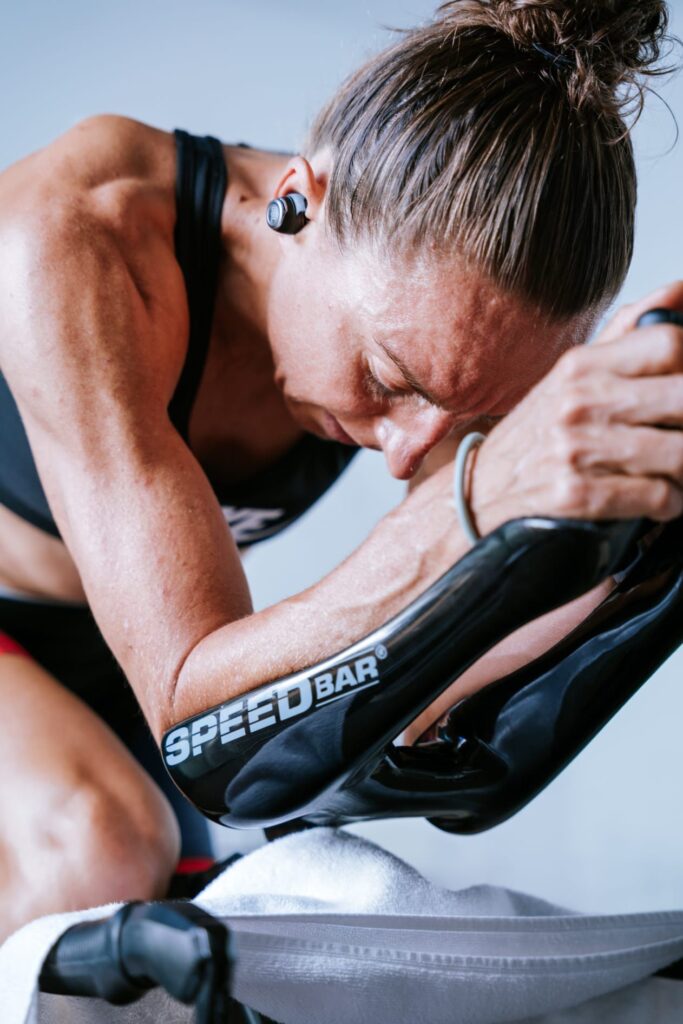
Van Vugt says it is all about finding harmony between what’s fastest and and what feels best.
“In general, you could say it’s more important to focus on comfort on your bike than on aerodynamics,” he says. “Of course, it should be a balance. The most comfortable bike will never win. It’s always a delicate balance that will give you the fastest time.”
Nick echoes van Vugt’s words by pointing back to behind-the-saddle nutrition setups. With multiple tests showing different results, Nick says he sees many athletes going for simplicity.
“What they’re going with now is the thing that’s easiest to grab on race day,” he says. “They don’t want to lose their nutrition, they don’t want a rig that will break, so a lot of what they do is practical.”
Nick goes on, saying he and his team at Wove receive “novels on a weekly basis” from customers who want to know what’s the best and fastest setup.
“They’re probably losing more time and gaining more drag from the seams on their suit than they are from bottle placement,” he says. “It’s better to just stop obsessing over it and make it easily accessible, safe and secure.”
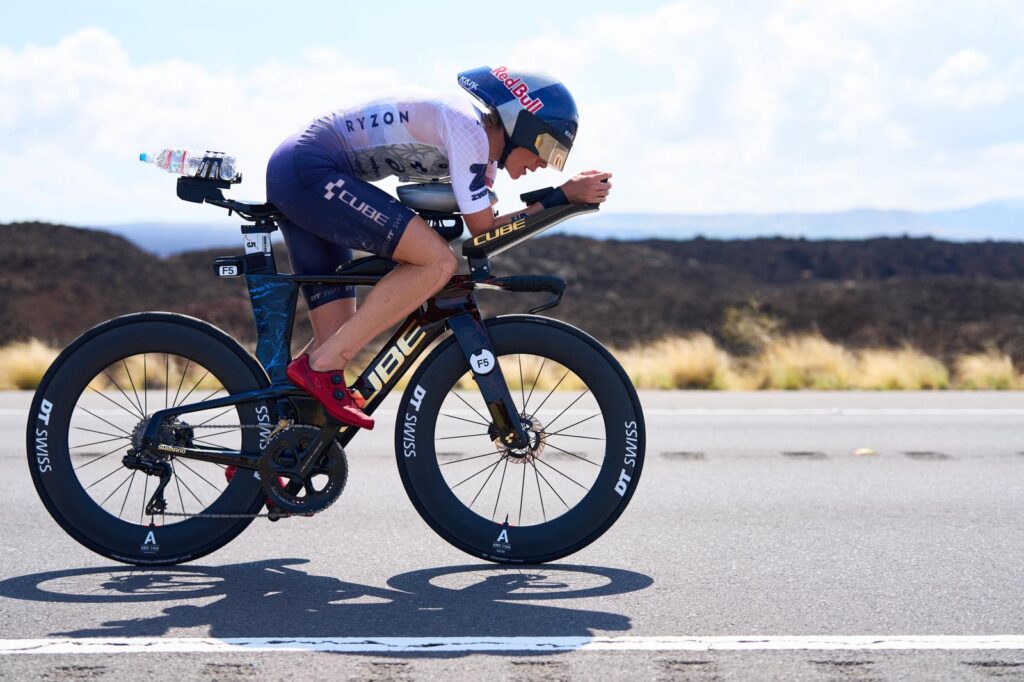
Similarly, when it comes to helmets, van Vugt says the most aero and streamlined helmet on the market may not be the best choice across the board.
“For age group athletes, I would say to choose a helmet that gives you a lot of cooling,” he says. It’s not that aerodynamics are not important, nor does van Vugt say they should they be ignored. Instead, age groupers should search for that middle-ground between maximum aero and maximum comfort.
“I wouldn’t say to try to be as aerodynamic as possible,” he says. “Try to be as efficient as possible.”
Fitting Your Bike
Why is an efficient setup so important for triathlon? It’s because of the run, van Vugt says. That may seem counterintuitive to talk about the run when focusing on the bike, but as van Vugt points out, nothing else matters in triathlon if you can’t close out your race with a good finish.
“When I work with a cyclist for a time trial, when he crosses the finish line he can be cramped up, he can be depleted and he should be at his maximum,” he says. “But for a triathlete, the race is only starting as he enters T2, so it’s a totally different approach and a totally different position on your bike.”
This means you need to look at your setup through a triathlon-specific lens. Even more important, Nick says, is to get a bike fit based on real-world, in-race settings.
“A lot of the time, bike fitters will set someone up and they’ll look great indoors,” he says. “But when you look at them outdoors, it’s completely different.”
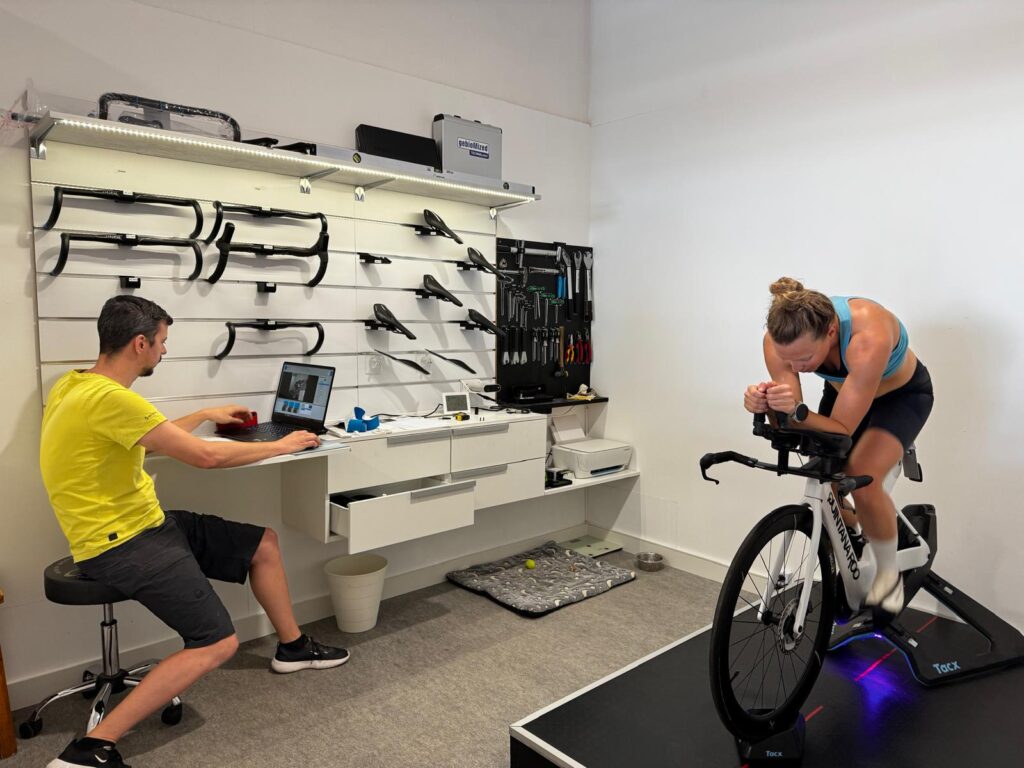
Nick says he always gets athletes to send him footage of them riding outdoors at race pace and at least half an hour into a ride so he can see them at their most raw. This will “totally change” from their indoor position, he says, which allows him to help them dial in for the most efficient positioning in that environment.
“The fastest time on the bike won’t mean that you will have the fastest time in your triathlon,” van Vugt says, but a proper bike fit that prioritizes aerodynamics and comfort equally can help you achieve both.
More Tips
If you watch professional cycling, you’ll see some oddly shaped helmets in time trials. Going back to the matter of copying professionals, van Vugt says the big, bulky helmets that are reportedly super aerodynamic may not benefit age groupers, and could even slow them down.
“Helmets are getting bigger and bigger these days,” he says. “When you wear them correctly, they break the wind for your shoulders, but if the position of the helmet is not correct, the negative influence can be very big.”
Instead, van Vugt recommends that age groupers seek a smaller helmet so that “when you move your head around, the influence is not that big.”
He adds that he has seen plenty of tests with and without visors, and although many helmet manufacturers may tell you the opposite, the visors “don’t make a lot of difference” when it comes to cutting through the air.
“But it does make a big difference in terms of cooling if you don’t wear a visor,” he says. “My advice would be to go for a smaller helmet and to race without a visor. Then you will get the air in your helmet which will cool you down and keep you feeling fresher for the run.”
Another tip from van Vugt is to think about the handling of your bike when it comes to picking your setup. Many triathletes opt for disc wheels in the rear because that’s what everyone says is fastest. While van Vugt acknowledges that this “is more aerodynamic,” he says it may not be the best option for everyone.
“Smaller athletes who are not that heavy may struggle to keep control of their bikes in cross winds if they have a rear disc,” he says. “It’s faster in general, but it may take you more energy to control, so it might not be worth it for you.”
The Bottom Line
The two main points to remember about aerodynamics pertain to personal needs and comfort.
Companies are going to try to sell you their products with big claims of having the fastest helmet, the most aero wheels and the best of whatever other products. As van Vugt notes, they’re probably telling the truth when they make these claims. The thing is, they’re only the fastest, the most aero and the best for the people who tested them in the wind tunnel.
Your fastest gear is different from your training partner’s, just as theirs is different from their coach’s. Don’t let the ads featuring world champions and Olympians and impressive stats be the sole selling point for you, but instead, search for the right option for you.
Secondly, don’t fall into the trap of having the fastest and most aerodynamic gear, fit and setup if it comes with a loss of comfort. Remember van Vugt’s words on balance. You won’t win a triathlon on the most comfortable bike in the field, but you almost certainly won’t have a good run on the most aero bike, either. Fastest is subjective, so you need to find what works best for you.

Start the discussion at forum.slowtwitch.com