
Shimano Goes All-In on Integrated Shoe, Pedal, and Cleat System with SPD-SLR Platform
Cycling has gone through a transformative experience over the last couple of decades. We’ve gone from tubulars to clinchers to tubeless in a hurry. Rim brakes have given way to disc brakes. Rear derailleurs went from eight and nine speeds to twelve and thirteen speeds. And then there’s the whole aerobar innovation series.
What hasn’t changed in that time period? Pedals and cleats. Shimano was the first to launch what we could consider the modern pedal landscape, rolling out SPD-SL for the first time in 2003. Look followed suit with the Keo line-up the following year. And those two, and their designs, have pretty much dominated our various bike count statistics ever since. After all, even with the introduction of power pedals from the likes of Favero and Garmin, they still rely on the pedal systems from Shimano and Look.
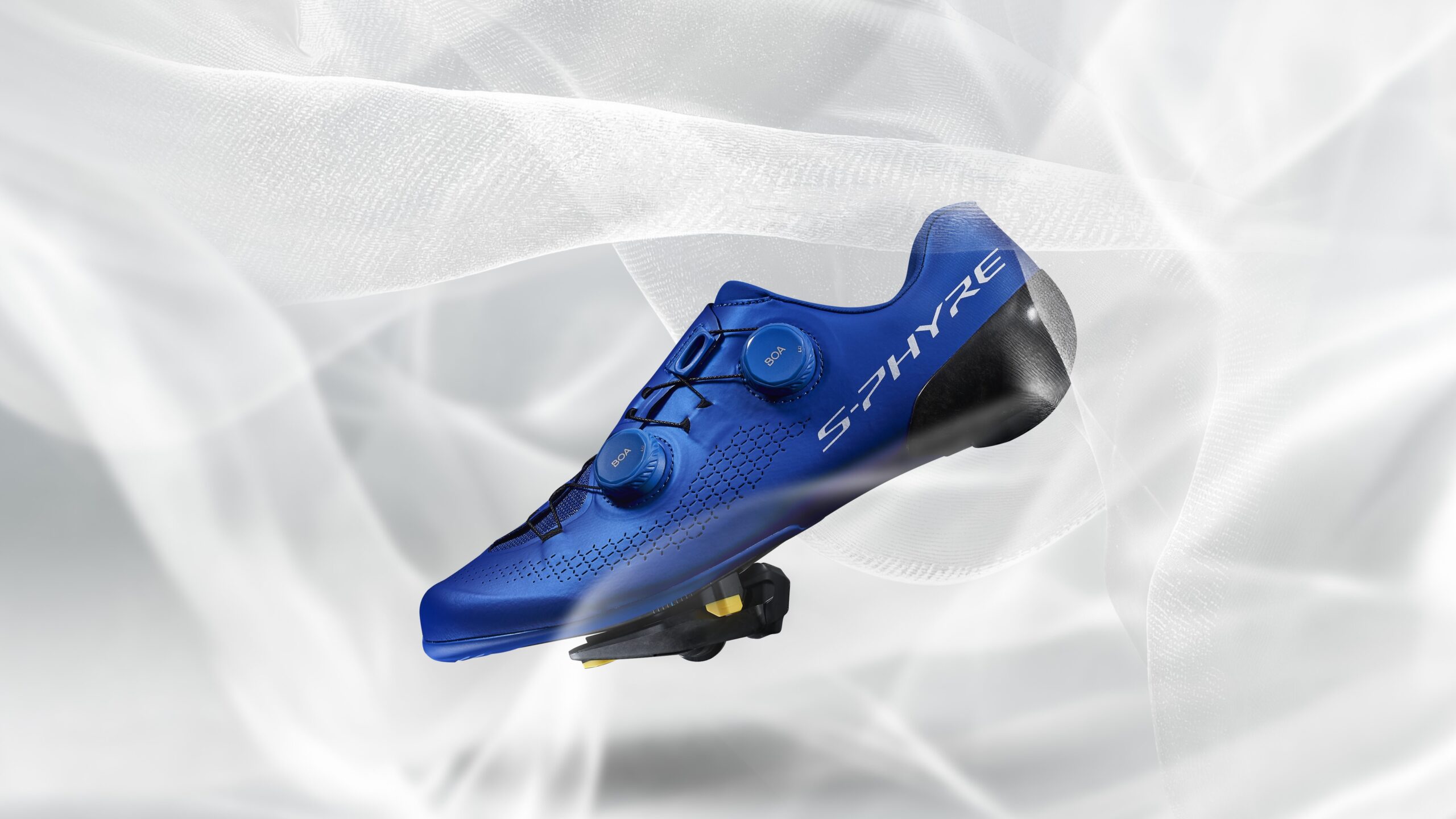
Well, Shimano has decided that now is the time to take a look at pedals. According to Shimano, in order to create a more efficient riding experience, they needed to look at revamping the whole system that riders use to generate power: shoes, pedals, and cleats and to have them all work together as a single platform. The result of that project launches today, and they’re calling it SPD-SLR.
SPD-SLR Means New Everything
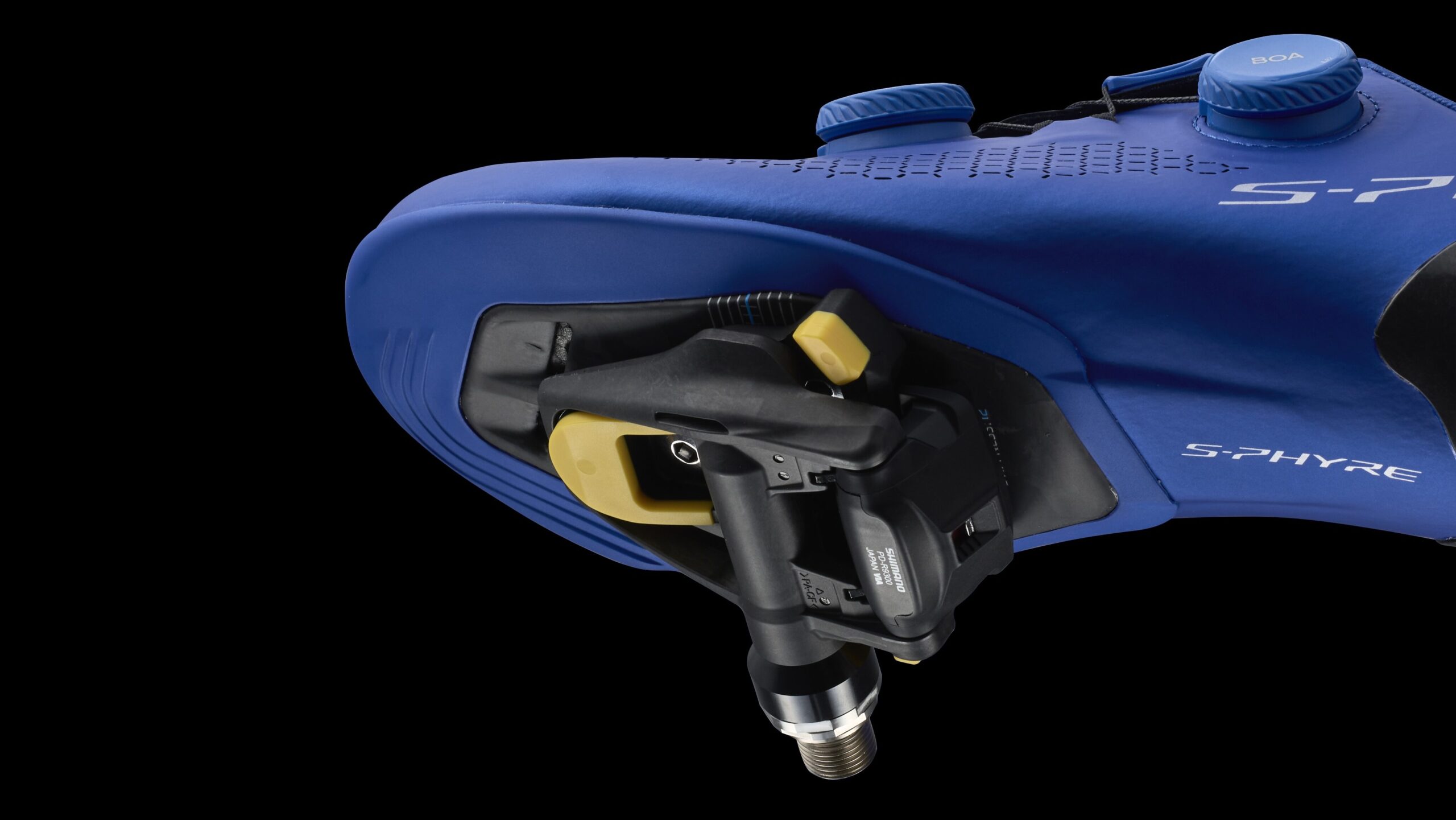
The biggest headlining change with the new SPD-SLR system is a new cleat-to-pedal interface. The overhauled pedal and cleat means total stack height is reduced by 2.3 millimeters. Shimano says that this benefits riders by bringing the rider closer to the pedal axle and “creates a more stable pedaling platform, improves power transfer and enhances bike control whether climbing, sprinting or riding at threshold.” That reduced stack height also results in some weight savings: the cleats alone see weight reductions of up to 25% over the SPD-SL models.
The new platform also has a wider catch zone when stepping into the pedal. Combined with a narrower angle of engagement (a 33% reduction over SPD-SL), riders should see improvements when clipping back in, say, after stopping at a traffic signal, and then having confidence that they’re well attached while accelerating away.
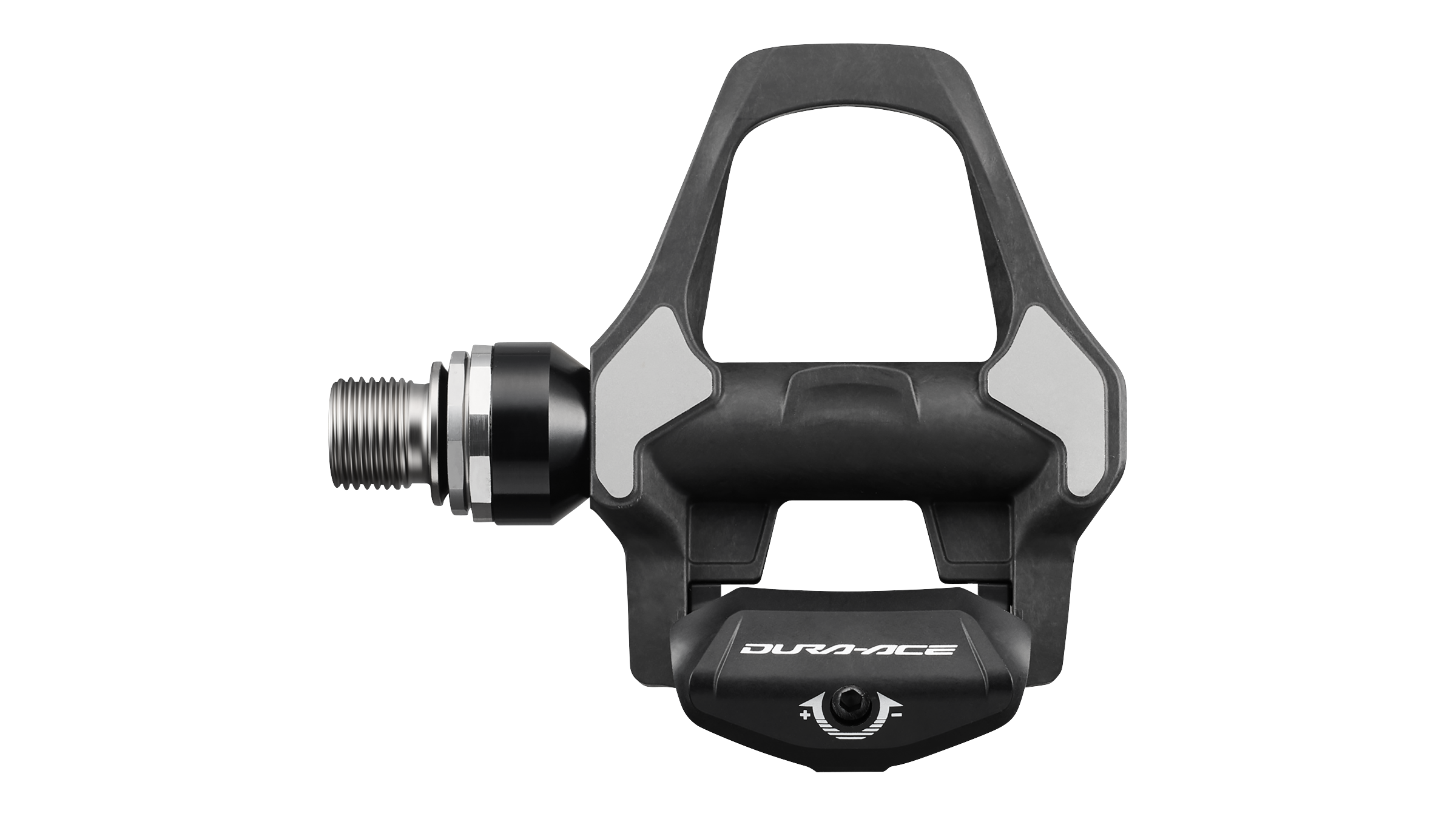
This all comes with a key catch: SPD-SLR pedals and cleats are not backwards compatible. This was perhaps most obvious this year at Paris-Roubaix. During the Arenberg cobbled section while in the front of the race, Mathieu van der Poel flatted and attempted to ride teammate Jasper Philipsen’s bike until he could get a new bike or wheel, but van der Poel was riding one generation of the pedal while Philipsen was using the other. van der Poel could not clip in; he lost more than a minute in Arenberg, and was unable to bridge back up to the lead group and would settle for fourth.
Let’s put this in a non-race situation, and look at my current fleet of bikes, pedals, and shoes. I currently own two sets of Shimano S-Phyre shoes in road and triathlon versions. I also have a couple of sets of Dura-Ace and Ultegra grade pedals kicking around, one for each of the four bikes I might ride at any given moment. Effectively, that means at a minimum, I’d be in for two sets of cleats and at least one set of pedals (to rotate around on those bikes), and four sets of pedals to sell off so I don’t do something stupid like try to ride a bike with SPD-SL pedals with SPD-SLR cleats on my shoes.
And trust me when I say that I would probably attempt to do something like that, because I am a moron.
Two Pedals, Four Cleats
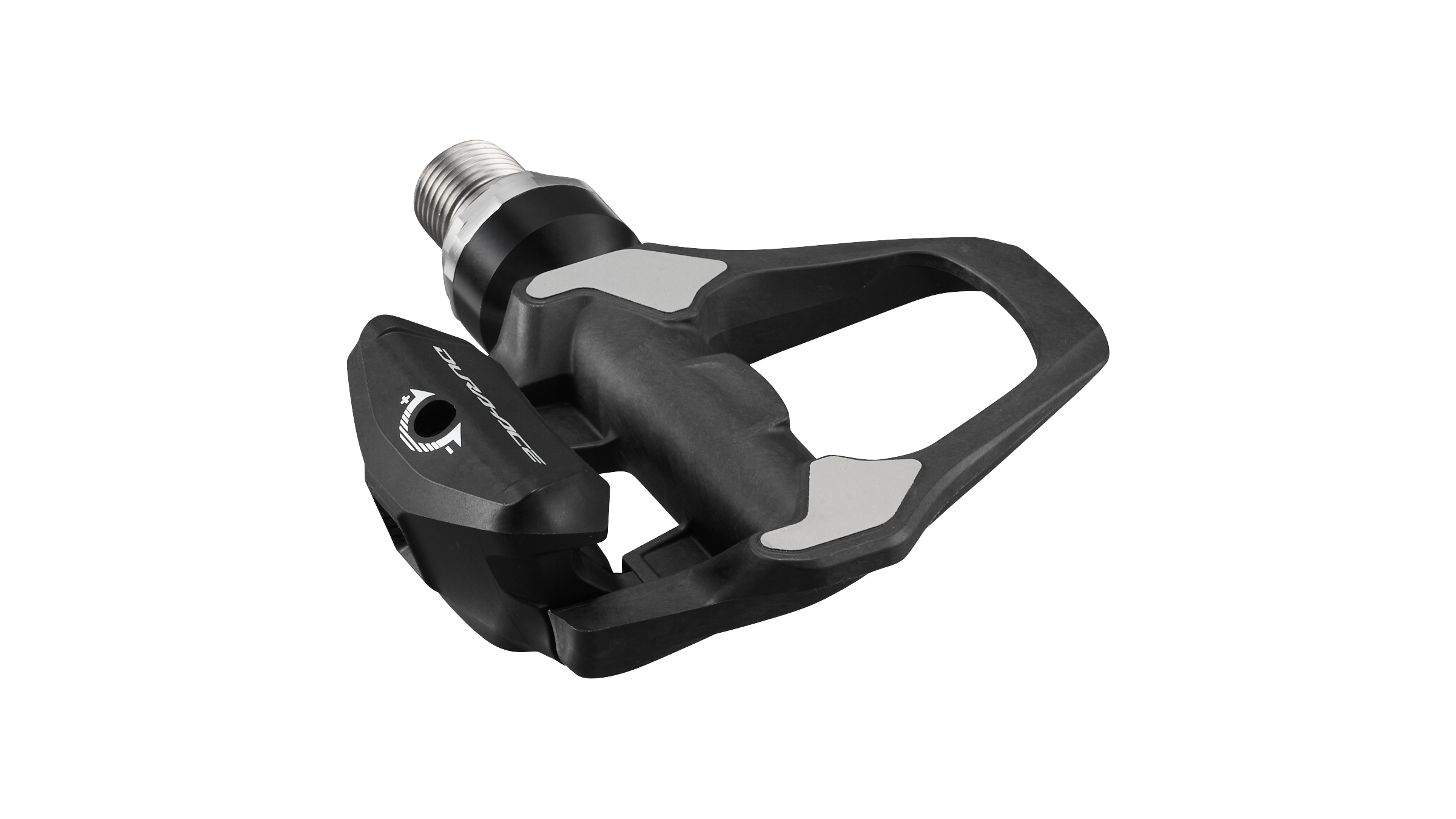
Shimano is launching the SPD-SLR system with two pedal sets under familiar brand-lines. There’s the Dura-Ace PD-R9300, and the Ultegra PD-R8200. The top-line features on the Dura-Ace version of the pedal are an 11% increase in stiffness and a 53% reduction in rotational resistance over the prior generation pedal. The big difference between the Dura-Ace and Ultegra versions of the pedal come in the body, where Dura-Ace features carbon composites and Ultegra is resin. Both have stainless steel contact plates, and otherwise share features.
The same can mostly be said for the cleats. There are four color codes for cleats, which correspond with riding style and degree of float available.
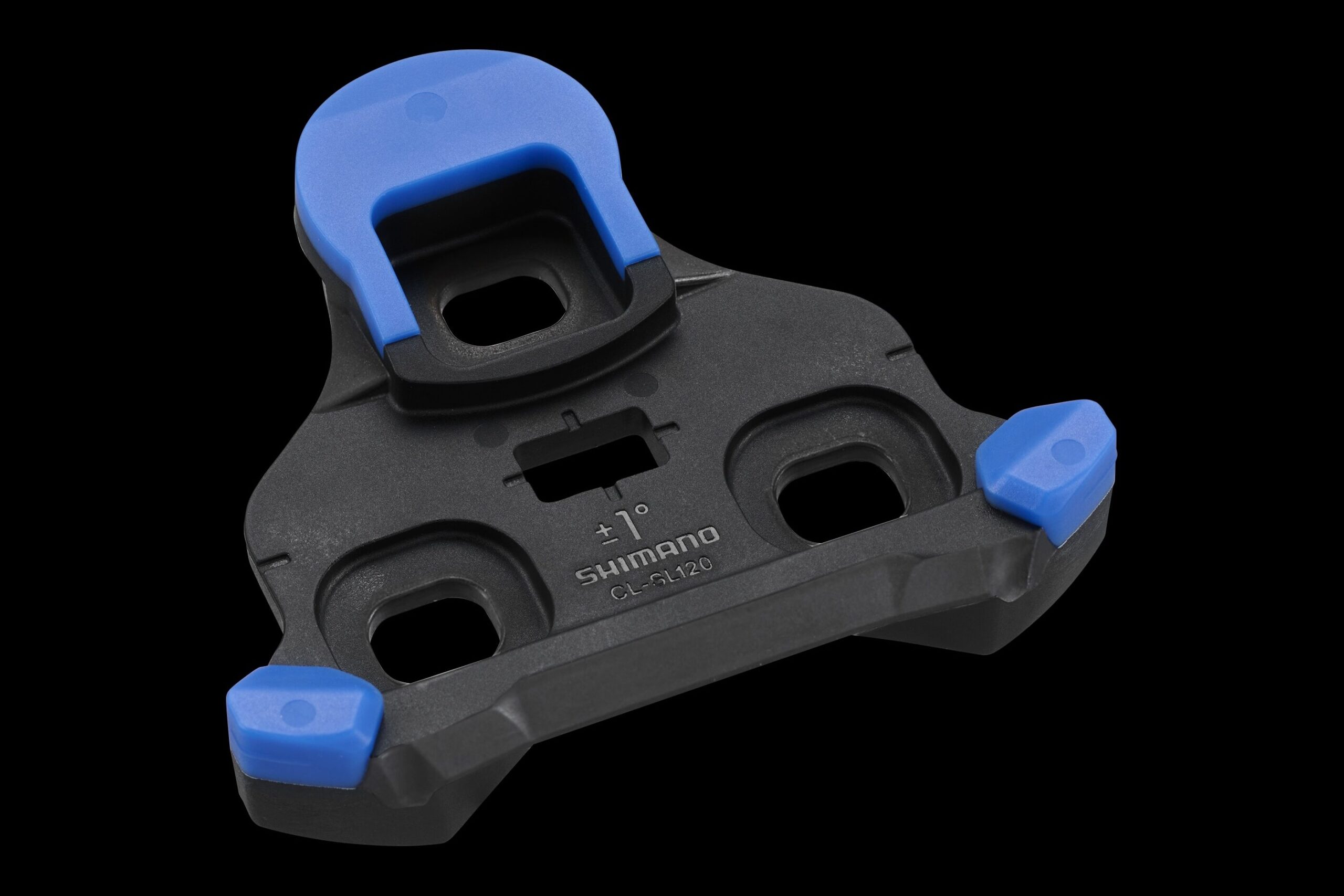
- Red: A fixed-position cleat with zero float. Riders seeking the most direct power transfer and locked-in feel will use this cleat.
- Blue: Provides one degree of float. Limited movement while remaining highly efficient and stable.
- Yellow: Offers three degrees of rotational float. Fits wide range of riders.
- Gray: For riders using most non-Shimano branded three-bolt road shoes. Offers the most adjustment.
The new red, blue, and yellow cleats all feature what Shimano calls a “simplified lateral positioning.” Essentially, the holes to screw the shoe onto the sole are smaller.
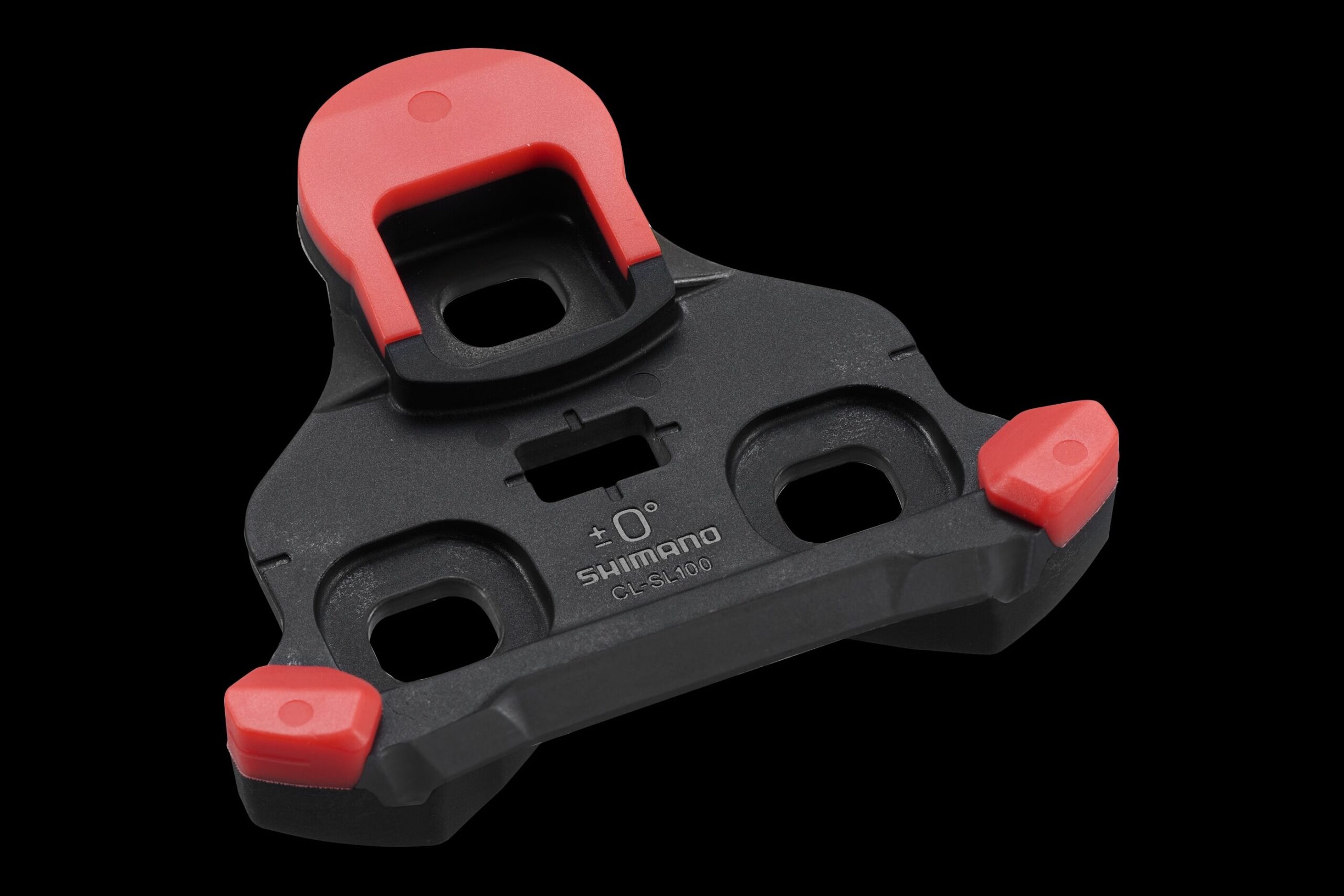
If you want more adjustment, you’ll need the gray cleat.
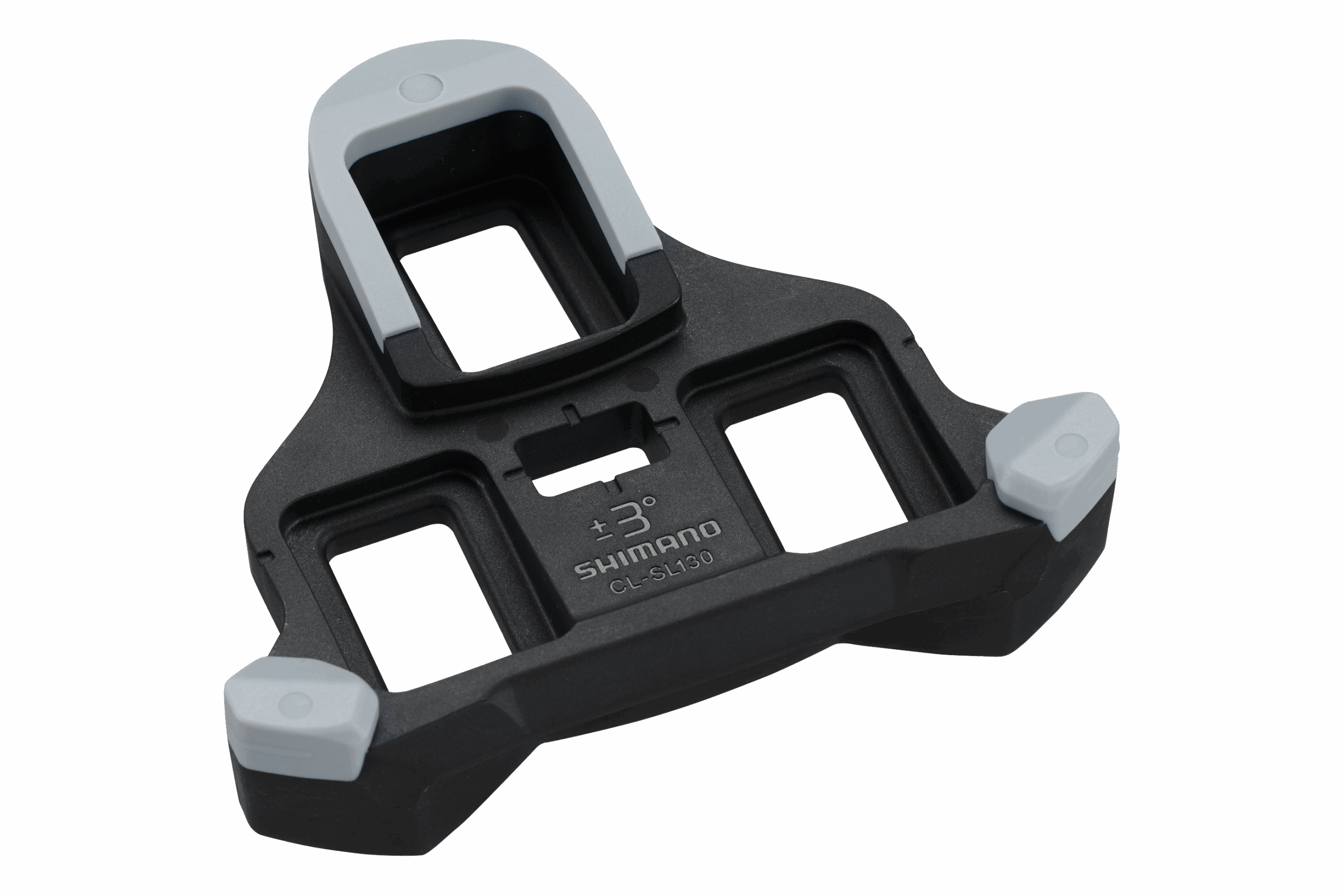
But that cleat comes with a drawback: it doesn’t give you the lower stack height nor does it give you the weight savings the other three cleats provide. This is probably the biggest thing I will look to test when new product hits my door. I’ve been a die hard user of yellow since I started my triathlon career, but I’ve also had to rely on some of that micro adjustment in SPD-SL cleats to dial in my fit.
Shoes: S-Phyre RC910 and RC810
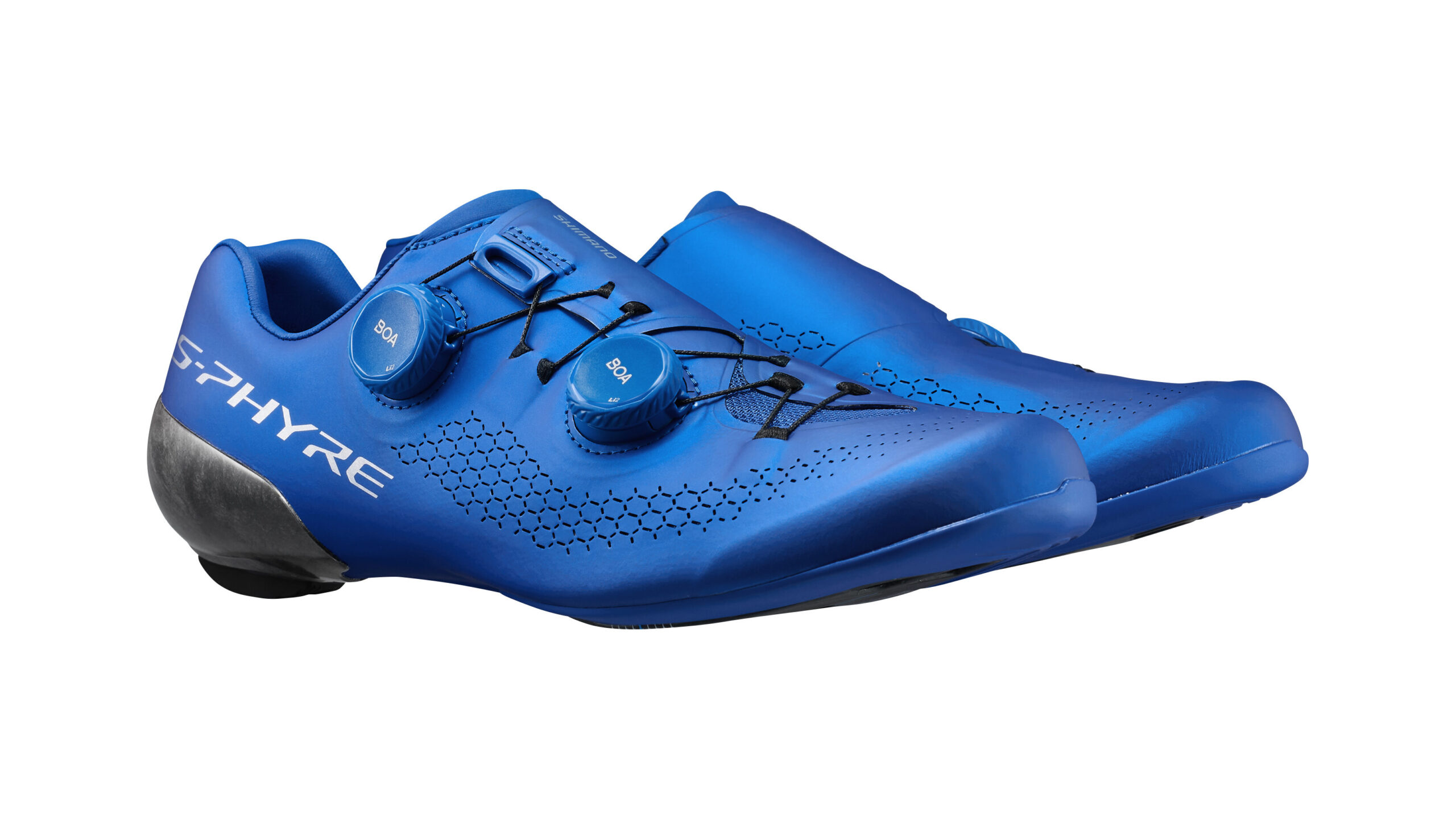
I have long been a fan of Shimano’s S-Phyre line-up of shoes. After bouncing around between various Pearl Izumi, Sidi, Giro, and a couple of other manufacturers trying to find something that fit well, I’m now on my fourth or fifth season of riding with Shimano shoes and I don’t look to go back. I do customize mine slightly with an insole — more on that in a story coming later this month — but otherwise, it’s the same order every time: size 47, thank you very much, let’s move on.
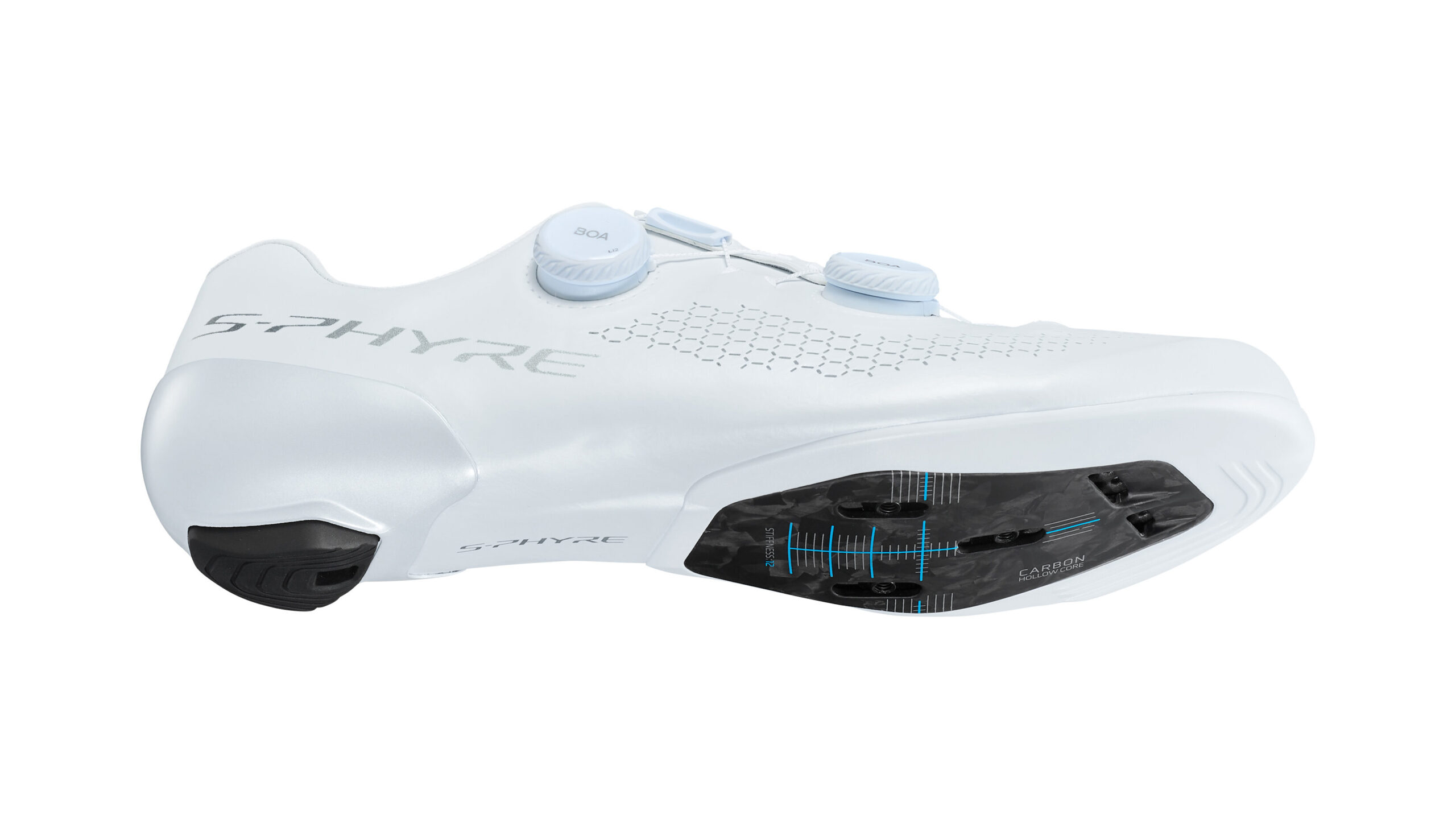
Considering the fiercely loyal following of their shoe line, it’s unsurprising that the latest generation of the S-Phyre and smaller sibling RC810 follow much of the same script as before. The S-Phyre maintains a carbon fiber rear cap for heel stability, paired with a full carbon midsole to provide maximum power transfer. The big revision is to those mount points on the outsole for the SPD-SLR system cleats, which help to facilitate the lowered pedal interface and also has a mildly expanded mounting range built in (as opposed to getting it from the cleats, like prior generations of the shoes). Footwrap has also been revised in the upper, but largely appears to be similarly shaped as older versions.
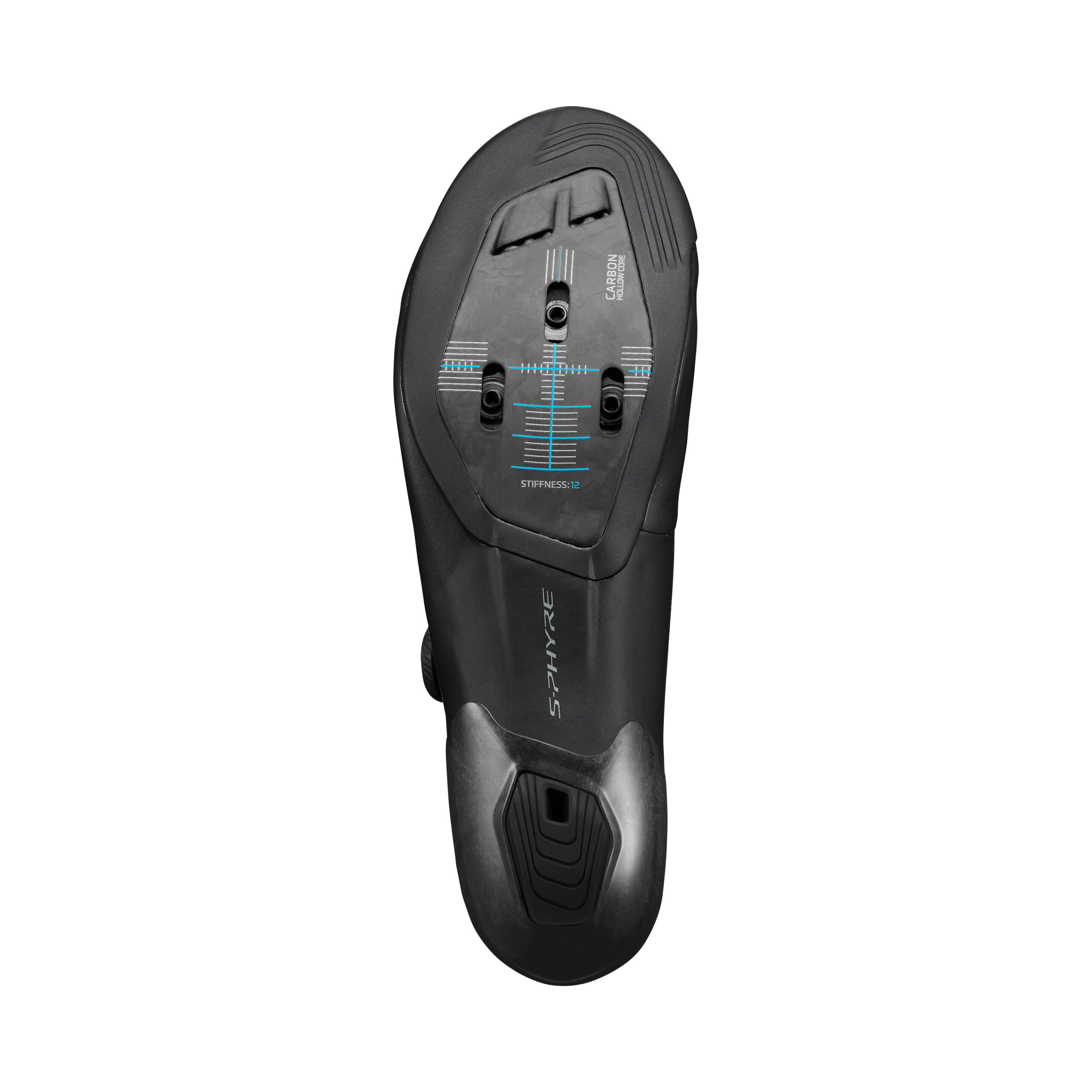
The RC810 gets many of the same features as the S-Phyre at a slightly more accessible price point (though pricing, as of this writing, is TBD). There’s the same dual BOA fit system, and that carbon midsole. Instead of a rear carbon fiber cap, the RC810 gets an external molded cap. You’ll also find the same lower-profile mounting for the SPD-SLR cleats and added-in microadjustment there. Both shoes also share the same last, and will fit roughly 95% of the same audience. I traditionally have found the S-Phyre shoe to have slightly more give in the forefoot compared to the RC810, but that may also just be an individual case.
Conclusion
This is the first, and probably not the last, time we’re going to see this level of integration between a shoe, pedal, and cleat interface. And if the claimed benefits stack up, it sounds like Shimano has a real winner on its hands; easier engagement and excellent pedal dynamics seem like a unicorn experience.
I do wonder about user confusion, given both the naming convention of the new products and the lack of backwards compatibility between cleats and pedals. I can definitely see athletes accidentally buying either the wrong pedal or the wrong cleat for their shoe, and not being able to clip in. It also makes me wonder about how long we’ll still see SPD-SL on the roads for, or if we’ll see a fast and full transition over to SPD-SLR. The latter would mean Shimano would need to have a ton of inventory in their new pedals kicking around.
As for the shoes, they should wear exactly as Shimano shoes typically have, which means they’re going to be awfully comfortable for a large swath of the cycling population. We’re looking forward to putting them through the paces soon.
Current MSRP
$525 – S-PHYRE RC910 Shoes
$400 – RC810 Shoes
$300 – DURA-ACE PD-R9300 Pedals
$200 – ULTEGRA PD-R8200 Pedals
All Images courtesy of Shimano
Tags:
cycling shoespedalsShimanoRelated Articles:
Continue the discussion at forum.slowtwitch.com
9 more replies



I’m all for easier engagement and the minimal stack!
Pretty good timing, I’ve been thinking about switching back to SPD again after using Speedplay the last 10 years.
Lower stack is good.
But, did they change any of the bearing diameters? As in, did they go smaller? Because pedal bearings are already tiny and making the races smaller ain’t gonna be great for bearing reliability over time.
Q36.5/SRM, Ekoi, maybe Keywin.
I dunno, we’ll see how it all plays out I guess. None of those seem to have taken off, but I think they’re all at least a bit less back-compatible than SPD-SLR.
How can you be a “bit less back-compatible” ?
Specialized drilling patterns vs regular 3-bolt is mostly what I was thinking of.
Ok,
I was thinking Power meter pedals out there don’t work anymore, 2nd or 3rd set of pedals in one’s stable incompatible……gives a pretty bad compatibility score. But it’s true, 2/10 is better than 1/10
I suppose the plus side is the new cleats will fit on existing shoes, especially given just how expensive the new shoes are. You’re looking at almost a grand for shoes, pedals, and cleats if you decide to go S-Phyre and Dura-Ace.
And would have no adjustability ?
C’mon, man… this is essentially identical to what Time was offering in their shoe/pedal/cleat system almost 50 years ago, right down to lateral adjustment at the cleat and fore/aft in the sole.
The “grey” cleat - CL-SL130 - that is pictured in the article isn’t for “more adjustability”, it’s a retrofit cleat that allows for use of the new pedal platform on Look pattern 3-bolt shoes. No problem using the new pedals with old shoes, you just add back the stack height, and - of course - the new pedals/cleats are not cross compatible with old pedals/cleats.
But don’t you lose one of, the main advantages here, ie the stack ?
I guess if I have 3 set of shoes I can adapt them to the new pedals. Is that what these are for ?
But if I have 3 set of pedals, I’m out of luck.
The reduction in stack height is essentially all due to the reduction in cleat thickness, very little (if any, I haven’t had a set apart yet) change to bearings used. Total claimed stack height reduction is about 1mm more than the reduction in cleat thickness.
The question is, did they have to increase the sole thickness of the shoe to put the sliding mounts in there, and what is the actual change in combined stack height?
Yup! But as I wrote above, I’ll be interested to mic up one of the new shoes and see what the actual reduction in stack for the whole system is. They’re only claiming 2.3mm, and you could eat a lot of that up very quickly making room for the sliders inside the shoes.
in which case you used self drilled shoes with speedplays, and in my case also used bond shoes where you took the insole out and just molded the shoe to fit .
as fredly says it will be interesting to see what the system stack of cleats and soles is .