
Stride Soles Are Bringing 3D-Printed Custom Insoles to the Masses, and They’re Pretty Darn Good
In the event that you’re either new to Slowtwitch, or you’ve passionately ignored all of my writing for the last, oh, decade or so: hi, I’m Ryan, and my body is held together by hope, prayers, duct tape, and bourbon (and not necessarily in that order). Just with triathlon training alone, I’ve managed to break my spine and my brain, put a stress fracture in my foot, and in my most impressive feat to date, broke my pelvis by riding the wrong saddle indoors for multiple months to put a stress fracture in there then running on it at IRONMAN Lake Placid and my hamstring pulled the bone apart.
In fewer words: I’m special.
Given my ability to hurt myself in increasingly impressive ways, I’ve taken it upon myself to be far more diligent about equipment selection in this latest attempt at racing long-distance triathlon. That’s meant being very choosy about everything: certain pairs of shorts for certain distance rides; my indoor saddle; what shoes I run in. It’s in part why I’ve been doing a monthly series on gear that I’m really enjoying as, well, that stuff tends to shift over time.
As mentioned in the last version of that article, I’ve been putting nearly all my riding miles in my Shimano S-Phyre RC9 series shoes. This blue pair of shoes has seen a lot over the years, and yet the fit keeps being near perfect and the carbon has held up great. The one thing that I’ve had to change out a couple of times over now are the insoles, and that’s where we’re going to focus in on.
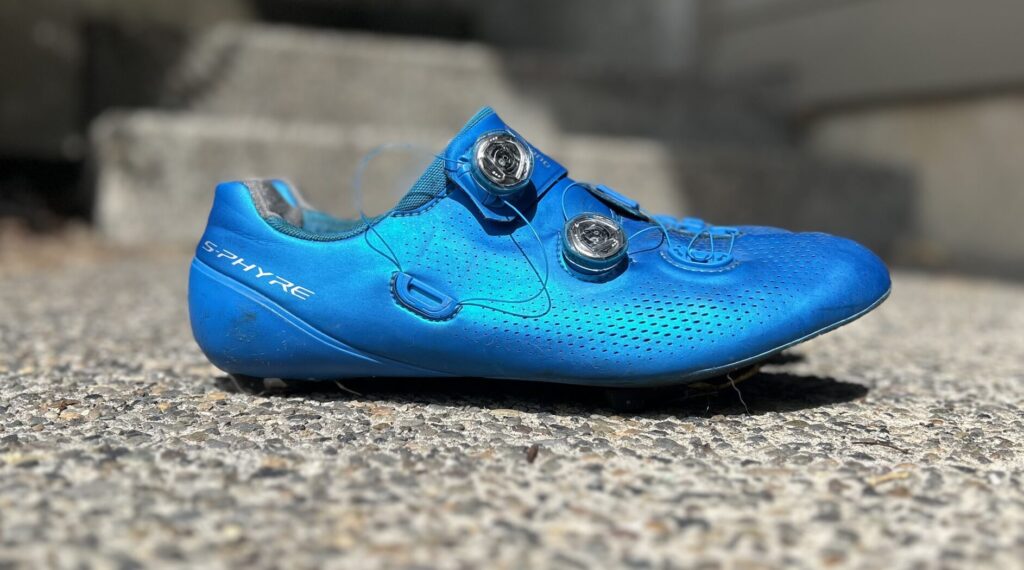
Let’s be frank: most insoles, whether in cycling or running shoes, are really just sockliners. They aren’t meant for support on their own. The purpose they serve is to protect the foot against the last of the shoe. They provide some feel, and one that is mismatched to the interior of the shoe isn’t great, but otherwise they’re just there. And for many folks, that’s more than enough. For me, as an example, I run with the stock insole from shoes nearly exclusively.
But my cycling shoes and ski boots, meanwhile, have almost always had some type of insole or orthotic in them. My S-Phyre’s, for instance, started out with Shimano’s stock insole, which does offer some ability to build up the medial side for support. Once those wore out, I swapped them over to a set of Superfeet, which I’ve largely just replaced as each one of them have worn over time. I think the pair that I had in there most recently was pair four.
My ski boots, on the other hand, have always had custom orthotics put into them. Heck, my most recent pair of boots was a near $2,000 expenditure to have nearly every element of them customized, including a nearly $600 insole. And yes, my skiing has vastly improved as a result of it. But I also have a mental block of being willing to spend that kind of money on skiing while definitely not spending that kind of cash on cycling. So custom always seemed like it was going to be a bit out of reach.
Well, that’s where Stride Soles steps in.
The Process of Getting a Pair
First, let’s back up. Stride Soles is an orthotics shop, first and foremost, and their head of design is award winning pedorthist Dietmar Walter. Walter, who’s also a podiatrist, has been making orthopedic shoes since the 1980s. For clarity — pedorthist’s are the ones making orthotics, podiatrists are the foot doctors. So Walter is both.
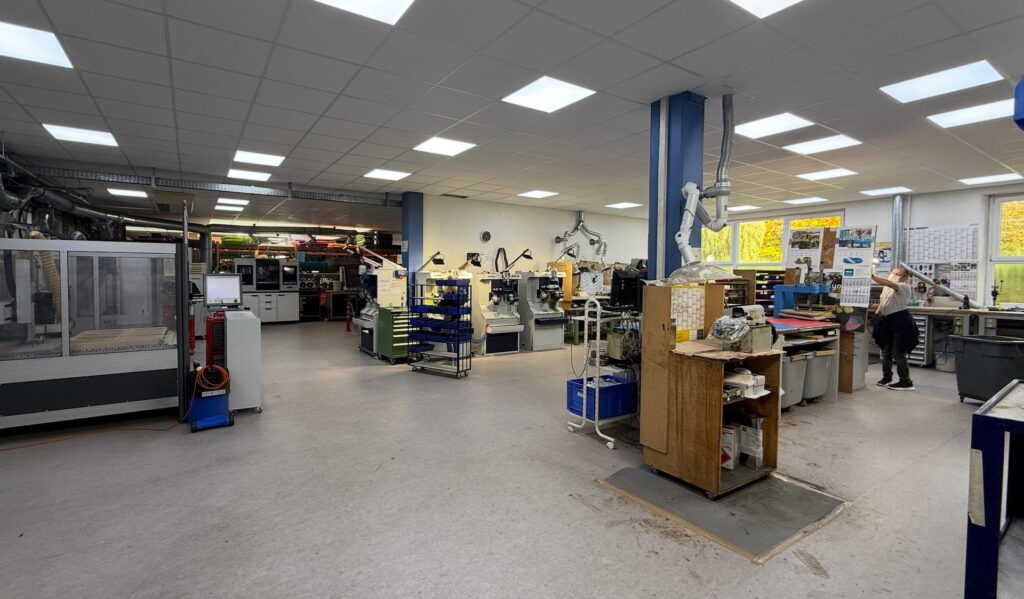
There’s three things that make Stride very different from other custom orthotics: how you get a pair, how your pair is made, and how much you pay for them.
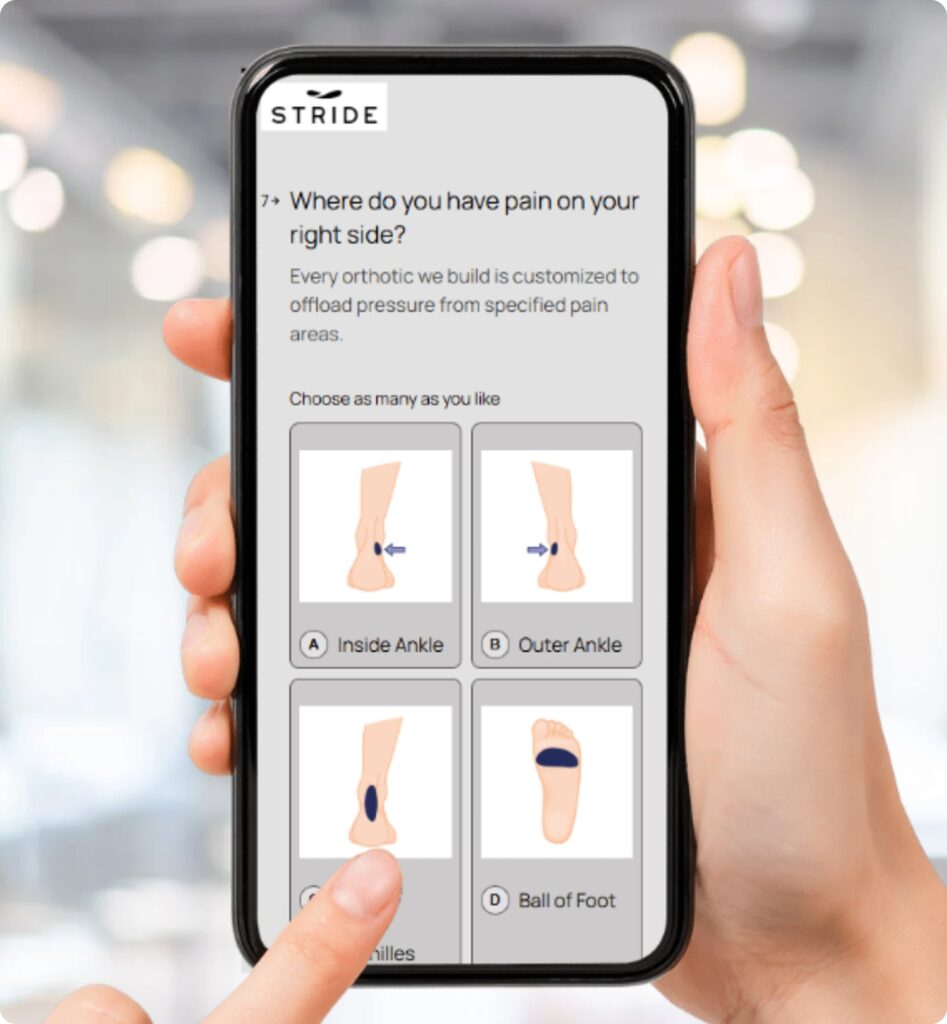
In order to get a pair of Stride’s, you first fill out an online quiz with questions about your feet, where you feel like you might need more support, and what type of pain you might be experiencing. Once you’ve completed that, you then need to make your purchase – $249 (though, as of this writing, with a $50 discount available).
After you’ve checked out, then you get to do a foot scan on your mobile device. The full 3D scan of your foot maps the contours of the foot to sub-millimeter level. It’s this scan that serves as the primary guide for the creation of the end orthotic.
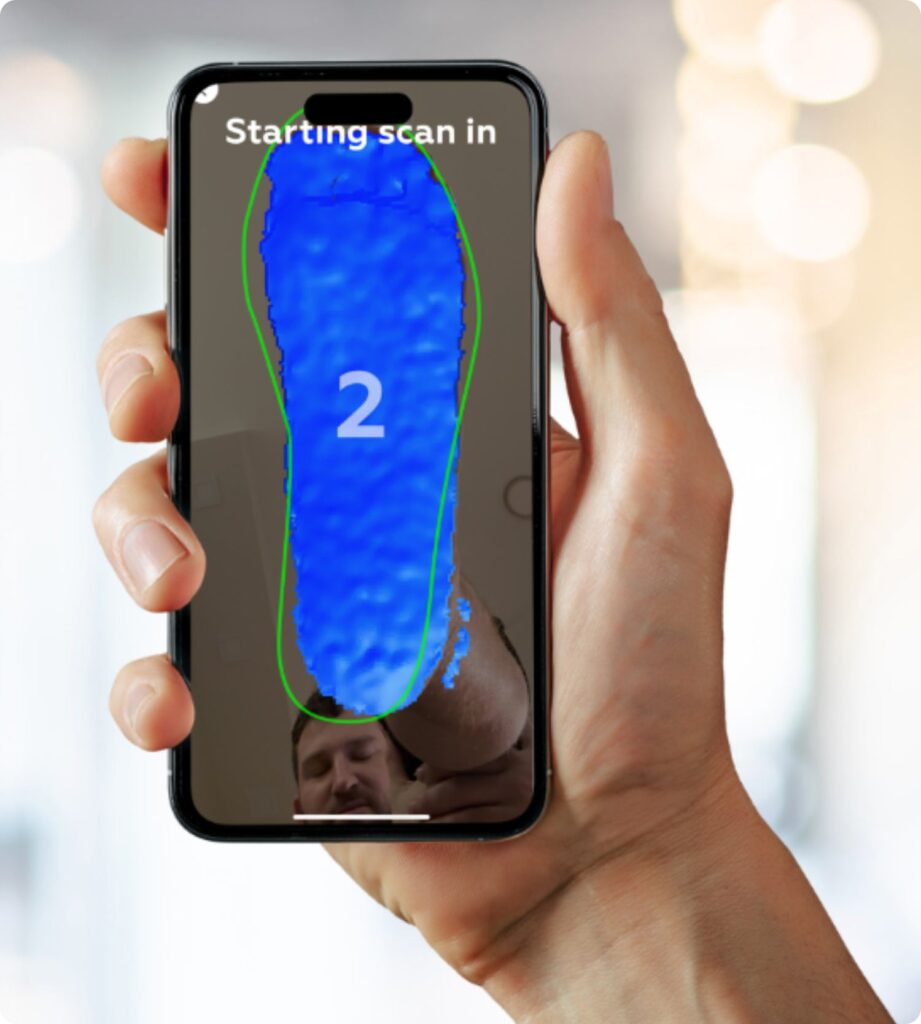
Post scan, you’ll then take video of your walking gait. The Stride team uses these gait videos to identify how your body moves through space and what, if any, additional structure the orthotic might need to support the way you move. And that’s pretty much it; that’s the end of your side of the puzzle.
This is very different than other direct-to-consumer custom orthotic products, which rely on foam molding or impression boxes in order to generate scans. According to Stride, this combination of 3D scanning and gait analysis is faster, more accurate, and far more cost effective. As such, the company says, they pass those savings on to the end consumer.
Once the Stride team has your order and scans, they get to work on actually making your orthotic. That process starts with reviewing your scans and matching it with the type of shoe you plan on installing the orthotic into. For example, running specific orthotics will tend to be thicker than those made for cycling shoes or cleats. After this, and any additional adjustments for supportive needs, it’s time for production.
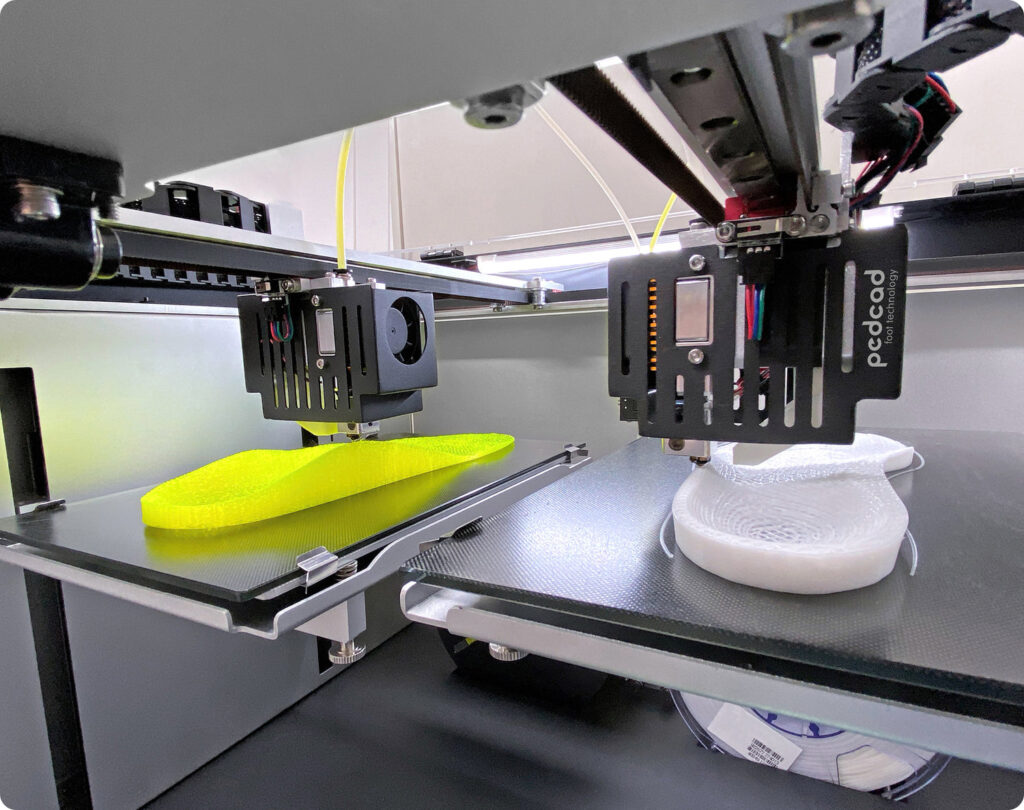
Stride orthotics are, at their core, 3D printed. Stride uses thermoplastic polyurethane (TPU) for their orthotic bases. If that material sounds familiar, it’s because you find it in certain running shoes; namely, Adidas uses a version of TPU for their Boost cushioning material. There’s two key advantages to this printing method instead of traditional milling. First, there’s a lot less material used and scrapped; there’s 96% less waste this way. Secondly, it makes the orthotic a lot lighter; my pair of Stride’s are about a full ounce lighter than a non-custom pair of Superfeet.
Cushioning is added to this skeleton orthotic, featuring 2 millimeters of EVA (aka traditional run shoe foam cushioning) and a vegan leather top sheet. Orthotics are then trimmed and shaved before then being packaged out to the owner. Total time process from start to finish usually ranges between 10 and 15 days; faster processing times are available, but it does cost extra. But that’s still a couple of weeks faster than you would typically expect from other orthotics makers.
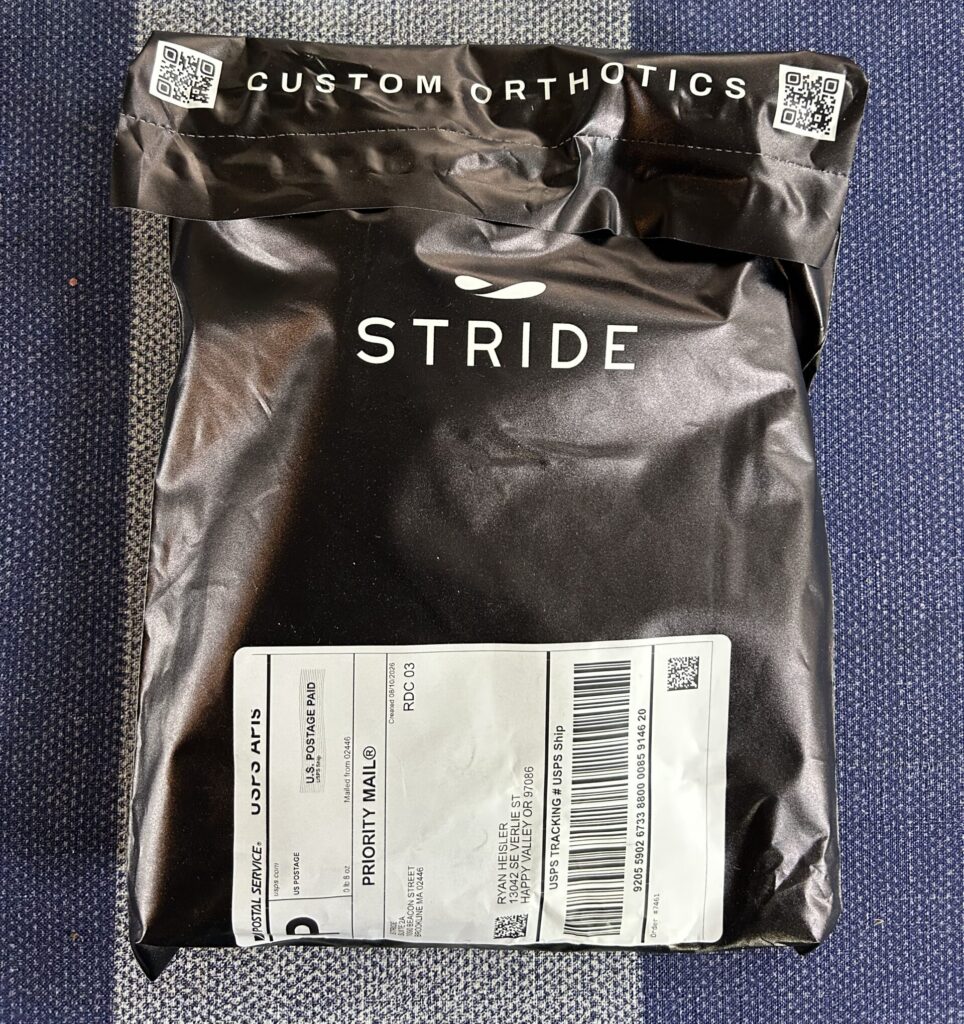
Here’s what a package looks like on arrival.
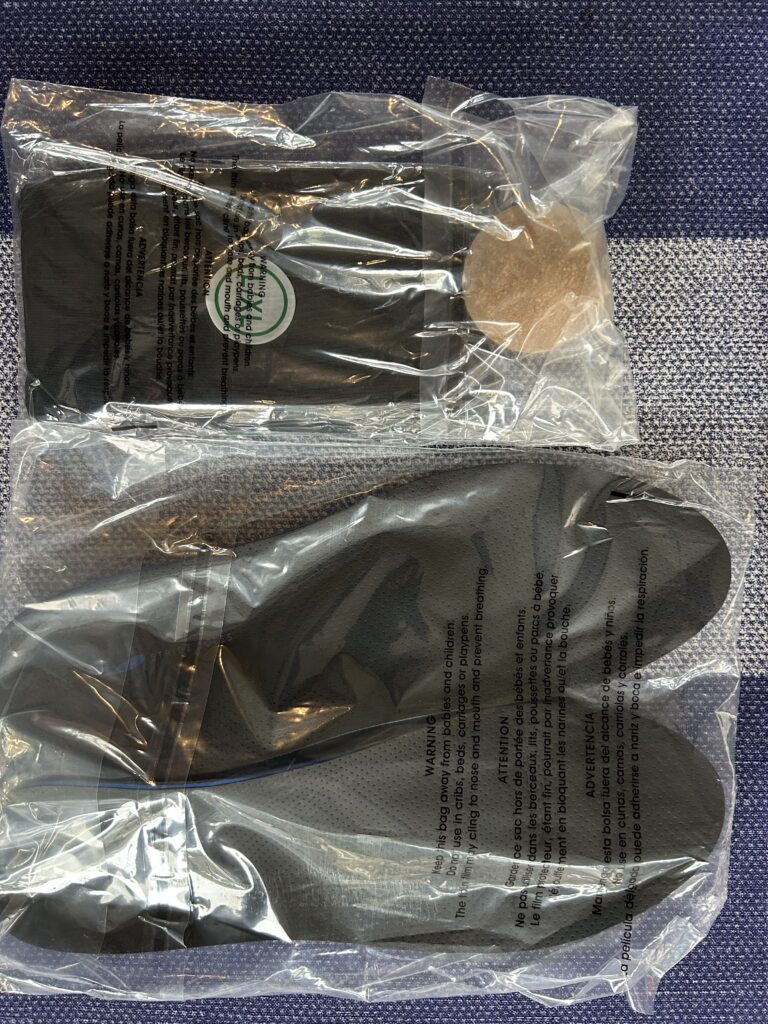
Opening that package reveals, well, more packaging.
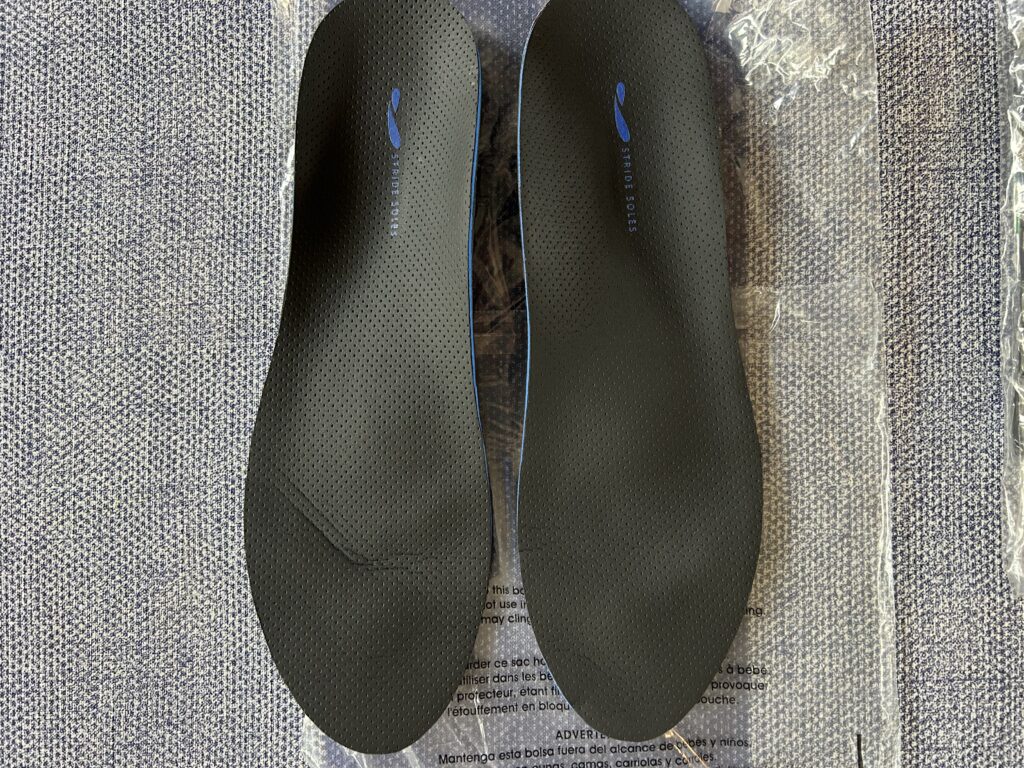
And then it’s time for the big reveal of my finished product:
Me and My Strides
After receiving my set of insoles, I nearly immediately put them into my S-Phyre shoes. Having included the dimensions of that shoe during my intake, the Stride insoles immediately fit well. I didn’t need to trim or shim; it was drop in and play. Heck, the insoles have your name on the underside of them and what shoes you were going to be putting them into.
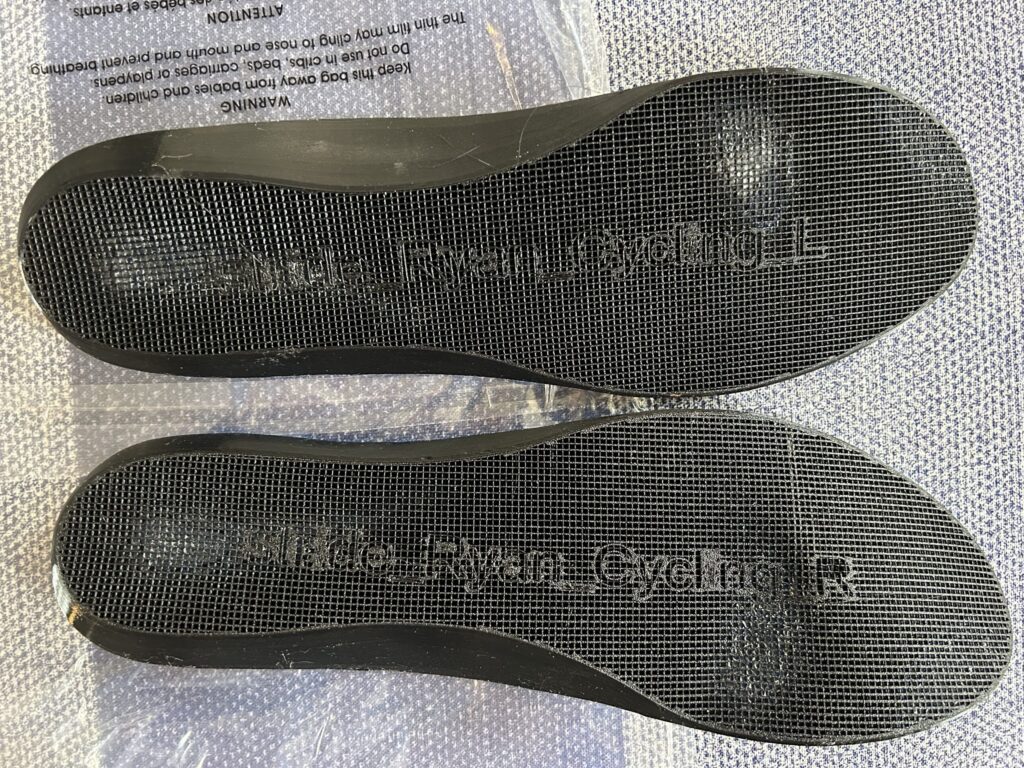
Having now ridden about 500 miles or so with these in my shoes, there isn’t much more that I can say beyond the fact that they work. They’re extremely comfortable. I don’t experience much foot fatigue even on the longest rides that I’m doing, which has typically been the issue I’ve had regardless of shoe or insole combination I’ve used over the last fifteen years. That, in turn, makes it a little easier to keep pouring on the power late in rides.
From that perspective, then, I think the Stride’s are a marked improvement over traditional orthotic making techniques. Thus I’d easily recommend them to someone who was considering other custom solutions. The harder question for me to answer is how much better than an off-the-shelf insert, like a pair of Superfeet, they are. I’ve had a lot of success with Superfeet over the years. For me it comes down to that fatigue factor later in rides. Even a brand new pair of Superfeet has still given me a case of tired feet at the end of long days in the saddle. That’s hard for me to ignore, even if the price difference of around $200 is hard to swallow.
But in a day and age where I’m trying to do right by my body, that would be money well spent.




“At your door in 10–15 days, for $249.”
The price difference between a retail pair of Superfeet and a pair of Strides is $200.
Thank you for playing.
Absolutely - your $200 delta spot on. But your article was that good i went to look at the possibilities as I have orthotic needs and my Superfeet went ‘walkies’.
Yeah, typical retail, though they’re still running what appears to be a Labor Day promo to bring it down to $199 USD.
I didn’t mention it in the article, but I think mine showed up in under 10 days.
I’m still not going to put a pair in running shoes – but for my static sports, when my current insoles wear out in my ski boots? We might do a pair of Strides in there.
I switched from Superfeet to Currex, if you’re not wiling to go Ryan’s custom way, and I really like these. Recommended to me by a lifelong foot problem victim who has a physio brother (good one, verified by myself), for what it’s worth.
Interesting! When you mentioned reviewing a custom insole, I figured it would be either these or the Mik.fit Varus insoles, which have also been all over my Facebook feed lately. Presumably there is only so much space you’re willing to devote to insole reviews, and someone else’s review can only go so far given the personalized nature of shoe fit, etc., but I’m middling curious about them as well.
I had wondered about this–I think the website vaguely alludes to it somewhere, but it’s not very specific. Good to know.
There’s one other one in the works. Originally I was going to do a full comparison series but there’s only so many of these I can test at once -and- try to not blow up my own panic training for California…
honestly not a bad price.. I paid over $400 for custom running insoles without which I cannot run consistently. Those were made with in-person fittings and moldings and they are great.
On the bike I used to be able to manage with stock insoles, no more. Intense forefoot pain was nearly crippling this year. That was much improved with Specialized Body Geometry insoles, and fixed entirely with new shoes plus those insoles, fizik tempo decos carbon. Since that is working I’m not currently in the market for new bike insoles, but thank you for the review, it’s good to know that is an option.