
Why Gravel Is the Perfect Second Sport for Triathletes
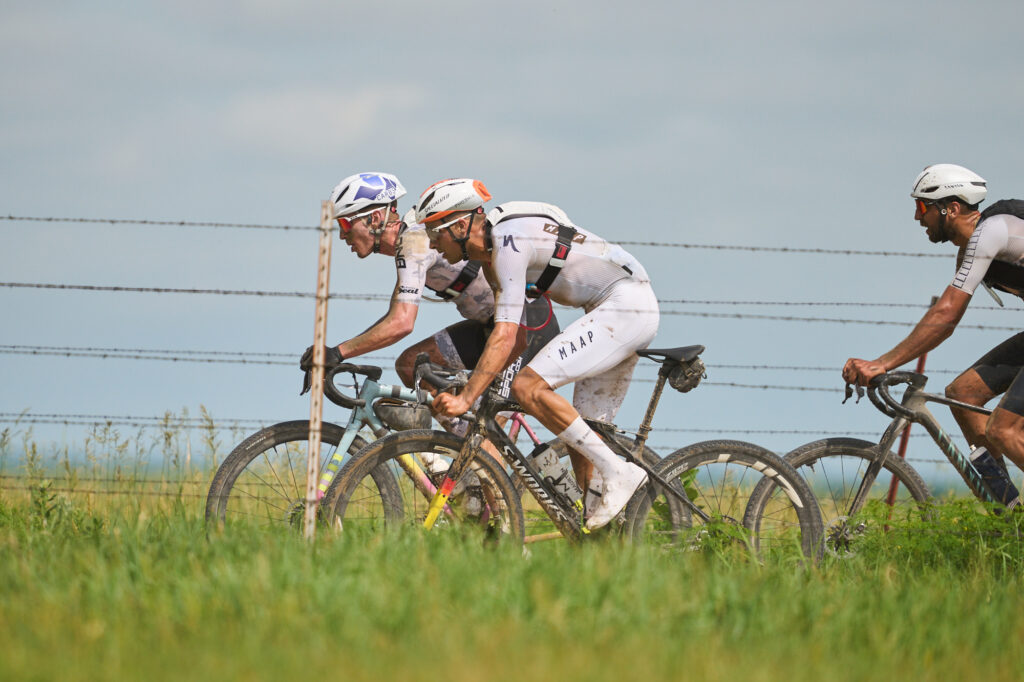
Gravel has exploded in popularity, so maybe it has caught your triathlon eye. It’s easy to get bogged down in the repetitive rhythm of swim, bike and run, and gravel offers something different.
Coach Jesse Moore has raced professionally in both road cycling and triathlon and now races on and off-road. As both an athlete and a coach, Moore believes gravel has the chance to become every triathlete’s favourite way to ride and just might be the perfect complimentary sport.
Gravel Is Good
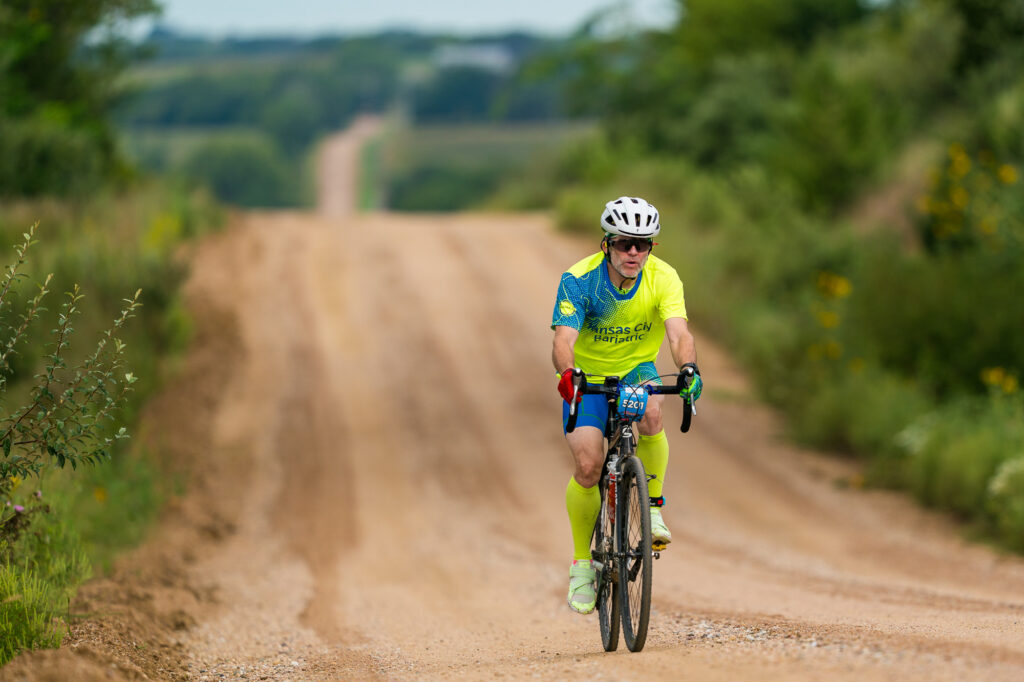
For triathletes, gravel isn’t as big a leap as it first appears. Beyond the wider tyres and dirt roads, it shares something with triathlon that many traditional cycling disciplines don’t: an inclusive culture where everyone gets to choose their own adventure.
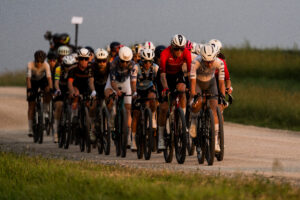
While gravel racing has become increasingly competitive at the front of the field, most participants aren’t chasing podiums.
“You’ve got 3,000 people on the start line and maybe 200 of them are actually racing,” Moore comments. “The rest of them, it’s like triathlon in that you get to choose your pace. You don’t have to crush yourself at the front and put yourself in danger with gravel. You can have a really good experience without the competitive side.”
Just like in triathlon, everyone shares the same start line, but you can choose your own experience whether that’s more on the competitive or social side.
“You can have so many great conversations and meet so many different people,” Moore continues. “You might ride along with somebody for a couple hours and then not see them ever again or run into them again three hours later at an aid station. And that’s another part of gravel racing. You get to stop at an aid station, eat some pickles or a peanut butter sandwich or whatever, and have these little lunch breaks and stops with different people and that’s part of the welcoming, inclusive culture.”
For athletes coming from triathlon, that fun, inclusive, social atmosphere can feel surprisingly familiar and welcoming.
More Familiar Than You Think
Gravel riding also fits naturally into the way triathletes already train. Swap an endurance road ride for an endurance gravel ride and you’ll get a very similar training stimulus, while adding a little more variety to your week.
“Gravel really dovetails nicely into triathlon because a lot of the events are so long; they mirror the length of a lot of triathlons, like the 70.3s and even IRONMANs,” Moore points out.
When it comes to racing, many of the same skills still matter like smart pacing, consistent fueling and settling into a sustainable rhythm are just as important in gravel as they are in triathlon.
“It’s all the same sort of benefits physiologically,” he says. Moore says there is more muscular resilience needed for gravel, for things like riding in sand that require more force, but that only a benefit.
Gravel also provides one of the best opportunities to dial in race nutrition without having to worry about how your stomach will respond on the run.
“You get this great opportunity without the run GI distress to really nail your fueling and learn what your body likes and what it can do. You can’t do six hours without fueling properly in a gravel race or ride,” he says.
The Big One: Bike Handling
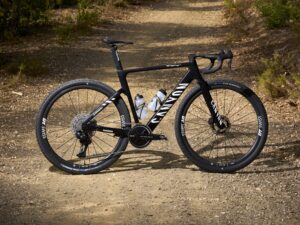
The biggest mental barrier to trying gravel is bike handling. You might have the aerobic engine and thousands of kilometres on the bike, but riding confidently off-road requires a new set of skills—and that’s where much of the opportunity lies.
Moore has always encouraged his road cyclists to train and race off-road and, increasingly, he has encouraged his triathletes to do the same.
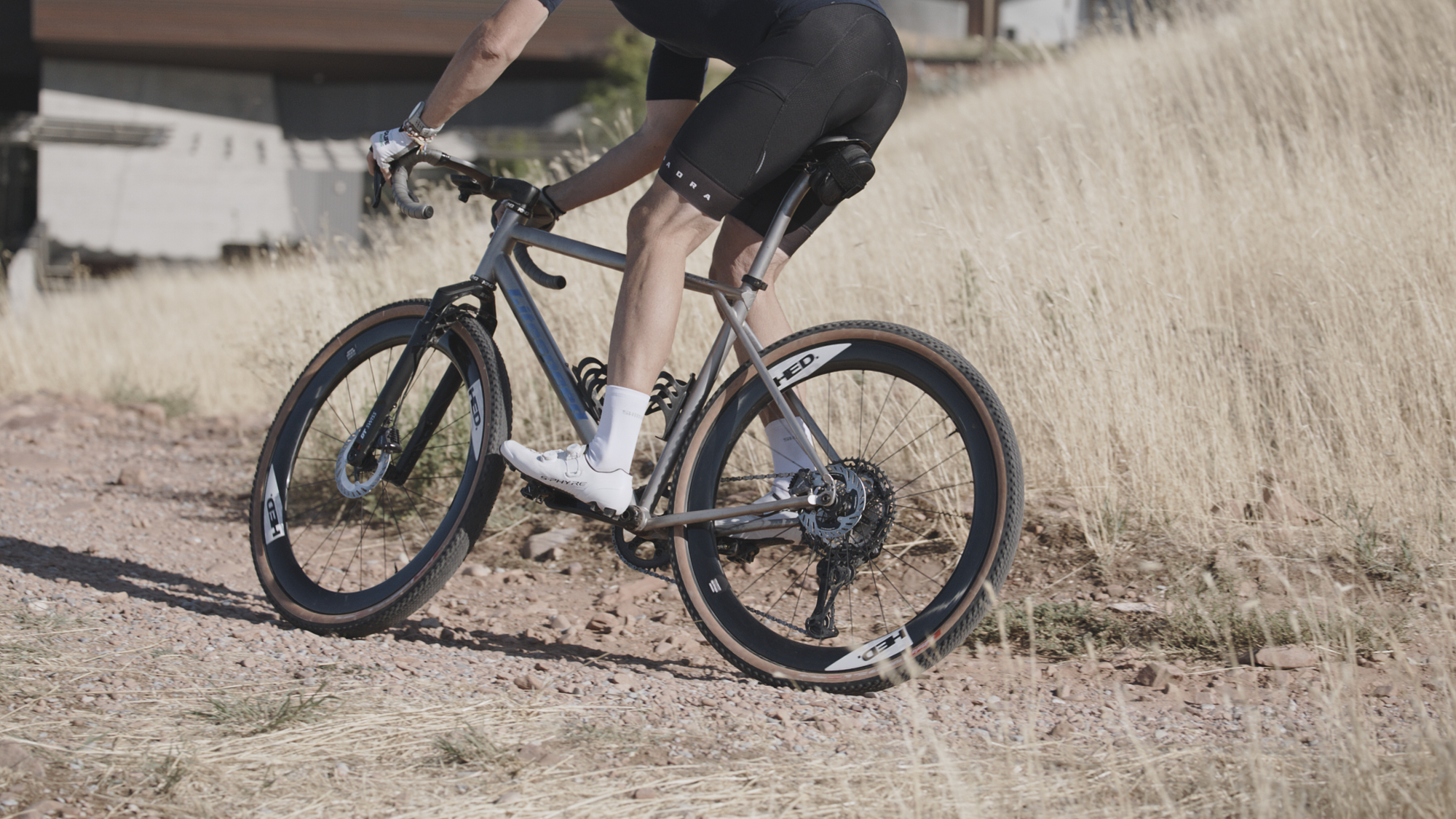
“You really do have to learn how to handle your bike when you’re on the dirt,” Moore says bluntly. “But there’s a lot of confidence that comes with that and mastery of fear is another opportunity.”
Loose gravel, rough corners, sand, and rocky descents force riders to relax, trust the bike, and, as Moore puts it, “you learn to be comfortable at being out of control.” The confidence developed off-road often carries straight back onto the road, where technical descents and tight corners suddenly feel much less intimidating.
Knowing there is a learning curve doesn’t mean your first event should be the longest races at Unbound or Gravel Worlds. Choosing the right entry point is important.
“One of the really nice things is that you are in control of your own experience when it comes to gravel,” Moore says. “You don’t need to be jumping into single track or getting on the super wild stuff. And, and if you do encounter it, you get to choose your speed. You don’t have to go fast–you can pick your routes.”
Start with “champagne gravel,” Moore suggests. Smooth, hard-packed dirt roads and build into more challenging terrain.
“As your skill set improves and you take on new challenges, you can get out there with your buddies and push each other a little bit,” Moore adds.
Freshness Through Adventure
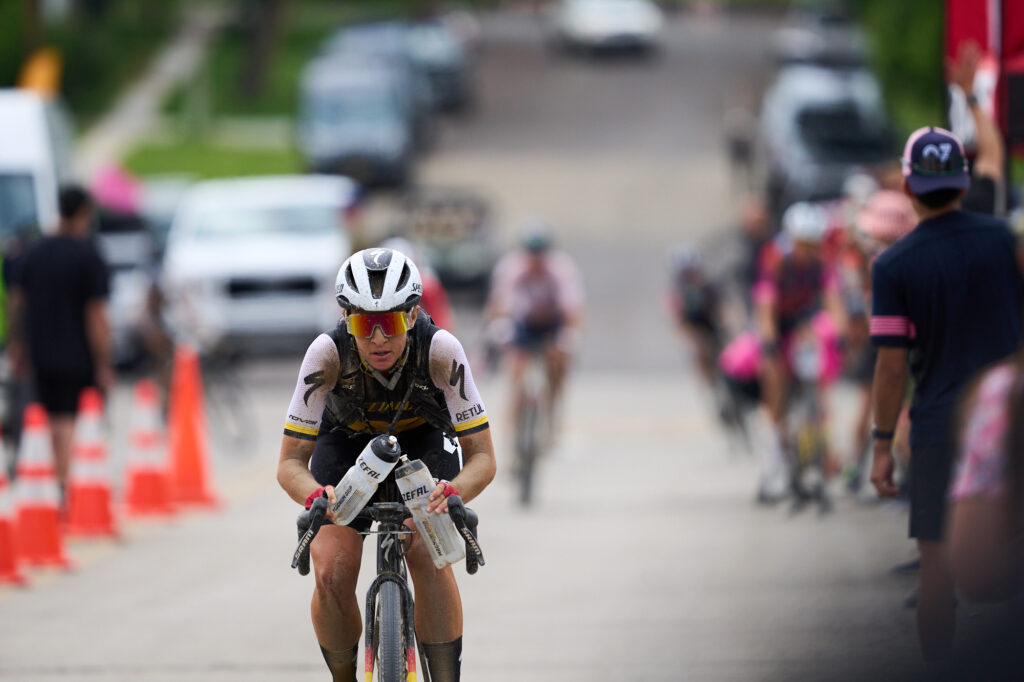
Gravel might be the perfect second sport for triathletes precisely because it isn’t triathlon.
“It can be a mechanism of freshness because you’ll get this whole other thing you can focus on for a big chunk of the year that’s not just this another 70.3,” Moore says, adding how he’s seen the stress of chasing Kona qualification wear on an athlete’s love of the sport. “You can take a little break from the swimming maybe or whatever and have something else to focus on that’s still demanding and still exciting.”
Triathlon often revolves around familiar roads, structured workouts, and carefully planned race calendars. Gravel invites something new and different. Rather than riding the same 100-mile loop, you can head into the forest for an adventure and discover remote climbs and new routes. You can shape your season with different goals, connect with new friends and look at your athletic endeavors with a whole new perspective.
And that doesn’t mean putting triathlon on hold. Moore says gravel fits easily into a triathlon programme, whether it’s replacing a weekly ride or committing to a gravel goal for part of the year before returning to triathlon.
“You still are training, so you’re not going to come back to your triathlon training out of shape by any stretch. But you’ll come back to it with a whole new fresh attitude and just be mentally ready to dig in again.”



you can have your gravel and have your triathlon together, Ludlow Vermont, September 12, www.triquest.co
Slowtwitch article here - TriQuest. Triathlon Goes Gravel.