


Meet the Kipride Max: the Trainer That Will Make You A Kiprun Fan for Life
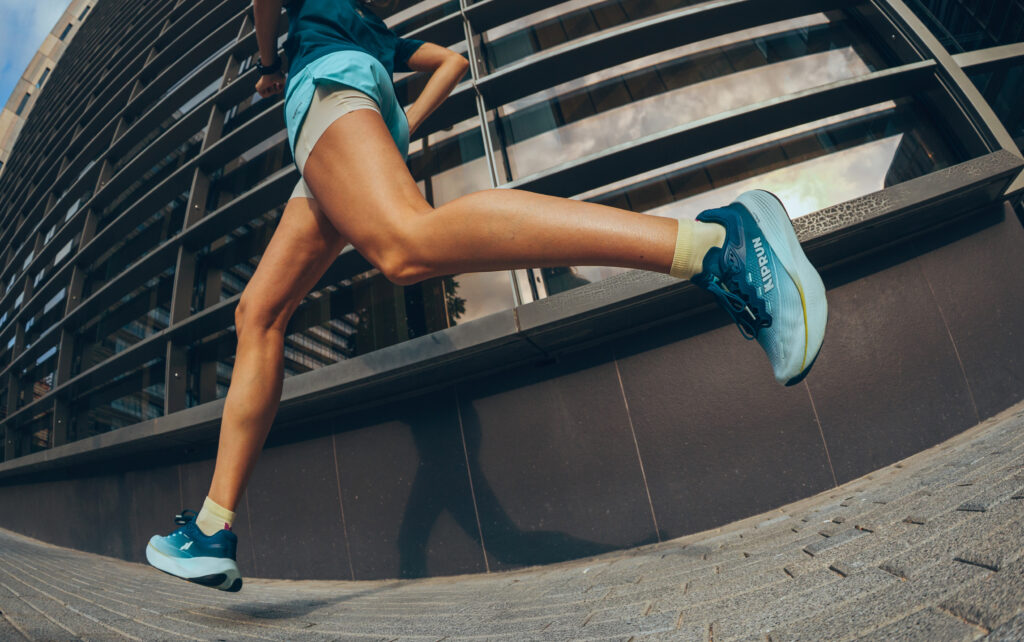
A few months ago, I was in Texas for a running expo. Of the many shoe companies I met with, Kiprun was one of the brands that intrigued me the most. I had heard about the company before, but its North American presence was pretty minimal (the French brand has had plenty of success in Europe, but U.S. sales only started this year), so I had never tested any of their products out.
Kiprun interested me because, although they were such an unknown, I still assumed they made good shoes. Why did I assume this? Mainly because of the strong lineup of pro athletes who race in Kiprun shoes, including reigning 10,000m world champion Jimmy Gressier of France. (Gressier happens to be shooting for the 5K world record on April 4 — an attempt that, if successful, would be the first world record set in Kiprun shoes.)
I was eager to test some shoes out, so Kiprun set me up with two different models: the Kipstorm Elite (a carbon-plated racing shoe that I will review in the coming weeks) and one of the company’s daily trainers, the Kipride Max. After using both of these shoes, I was absolutely sold on Kiprun, and I think anyone who gives the brand a chance will be won over just as quickly. As mentioned, the Kipstorm review is on its way, but for now we will discuss the Kipride Max, which is genuinely one of the most comfortable shoes I’ve ever worn.
Kipride Specs
- Weight: 9.5 oz (U.S. men’s size 9), 7.9 oz (U.S. women’s size 7.5)
- Drop: 6 mm
- Stack Height: 42 mm (heel) / 36 mm (forefoot)
- Price: US$160
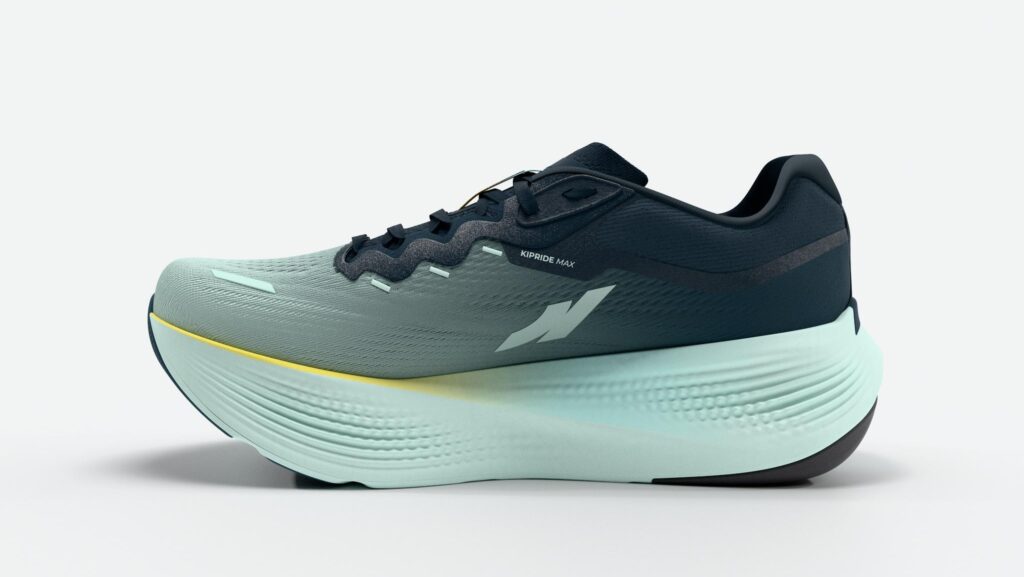
Weighing in at 9.5 ounces for a men’s size 9 and 7.9 ounces for women’s size 7.5, the Kipride Max isn’t the lightest shoe on the market, but it is also not the heaviest trainer by any means, as many rival companies have similar shoes that weigh over 10 ounces.
The stack height of 42 mm at the heel down to 36 mm at the toe provides a tremendous amount of cushioning, and as soon as I put them on I was floored by how springy and soft of a feel they provided — and that was just standing and bouncing around before taking them for a run. That spring is thanks to Kiprun’s Softech+ “ultrasoft midsole” foam.
The company’s marketing team says Softech+ makes for a “buttery-smooth feel” and, while I would normally scoff at this sort of language, in this case, I have to agree. Whatever the Kiprun engineers have put into this foam (it’s reportedly an EVA/PEBA/OBC blend) resulted in a wildly soft ride that gives runners 34 percent more cushioning and 25 percent more energy return while being six percent lighter than the Kiprun KS900.2 (another max-cushioning shoe that Kiprun released in 2024).
Running in the Kipride Max
I cannot speak to the Kipride Max’s performance compared to the KS900.2 or any other Kiprun shoes that came before it, but running with other trainers and maximalist shoes on my mind, it took me no time at all to realize that I really liked the Kipride Max. This is going to seem way over the top or effusive or exaggerated, but I mean it: the Kipride Max may be the best shoe I’ve ever run in.
Why was it so special and different than any other shoe I’ve tried? As I already mentioned, I could feel the bounce and spring underfoot as soon as I put the shoes on. From there and taking them out for my first run, it only got better. The Kiprides were light enough so it didn’t feel like I was plodding along and toting big, bulky shoes (one of my biggest complaints with other daily trainers is how cumbersome and heavy they feel) while, at the same time, giving me such a soft ride underfoot. This kind of comfort would be expected with a heavier shoe that has more material jammed into the midsole, but despite the lightweight build, it still delivered on the plush front.

I took the Kiprides for runs ranging from three to 10 miles, and the feel was the same from start to finish every time. I was running solely on asphalt and concrete for these runs, and although this combo (particularly the concrete) is not the kindest to one’s legs and joints, it felt like the shoes were protecting my feet, legs and the rest of my body the whole way.
Further, while some trainers would not be good for a race, I wouldn’t turn my nose up at using the Kipride Max for a competition. These could help you nail a quick 5K, but they’ll be especially helpful the longer you go, as the Softech+ cushioning will preserve your legs and protect you from too much wear and tear while still promoting a fast and fluid run.
I would love to try these out for the run leg of a half-distance triathlon (or longer, although having never gone farther I cannot speak from experience). Based on the feel they had for the longer training runs I’ve done in them, I think the Kiprides would be an excellent option for when you’re running tired and need a little extra spring in your step.
Kipride Conclusion
There are some shoes that, after reviewing them, I have thought that I wouldn’t mind using again. I may not jump at the opportunity to use them more, but if they’re all I’ve got, then sure, they would work.
Then there are, of course, the unfortunate shoes that I refuse to wear in training and never want to run in again. I won’t name any of these in this review, but we all have a shoe or two that simply have not worked for us in training or racing.
Lastly, there is a list of shoes that I keep note of and plan to seek out in the future when I’m training for something specific. The Kipride Max is now at the top of that list. It will be my go-to shoe that I’ll wear between reviews, and I certainly see a visit to the Kiprun website in my future when I need a replacement pair.

Start the discussion at forum.slowtwitch.com