


Same Drive, Different Distance: On Triathlon & Marathons: Tokyo Marathon Edition
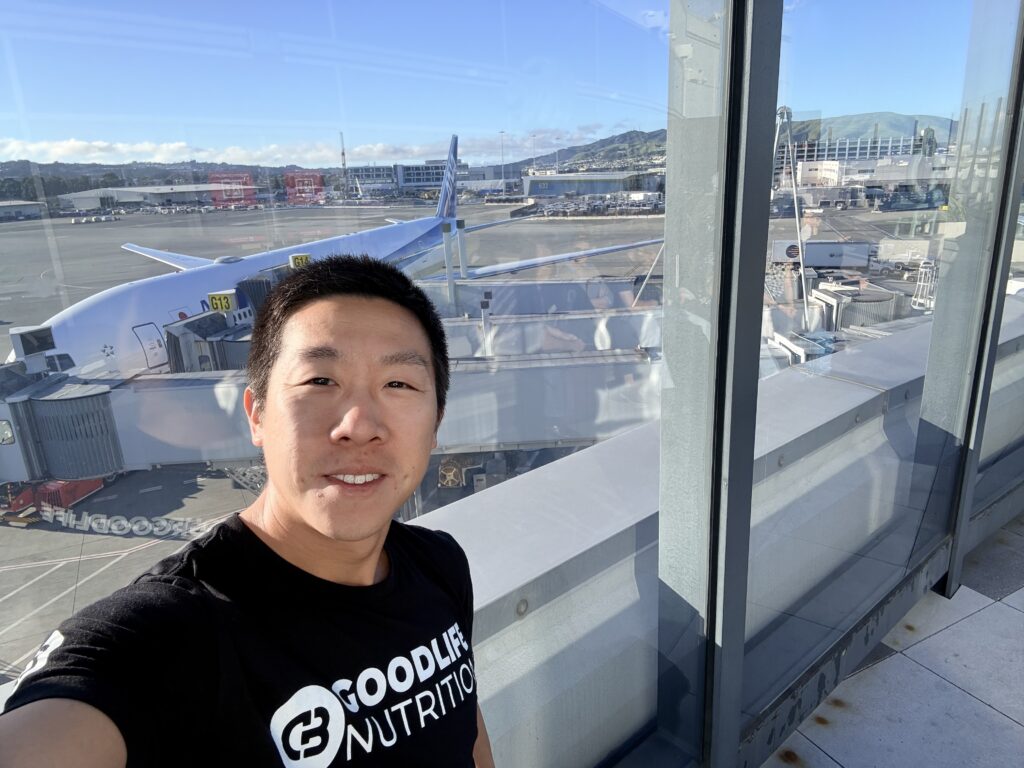
A few years ago, Slowtwitch featured a piece about my experience pacing the 3-hour finish group at the New York City Marathon, a story of running and simply where my endurance sports life really started, and how it comes full circle! Before all the bikes [n+1], before the humbling early morning swim sets, it was simply miles on the road.
Triathlon, and especially Ironman racing, became a major part of my athletic life over the following decade. But as most of our readers can attest to…careers evolve, families grow, people move to new cities or simply look for something different after years of the same seasonal rhythm. For me, that evolution eventually led back to running. And when the Tokyo Marathon came around, I wasn’t going to pass it up.
The Competitive Instinct Doesn’t Go Anywhere
Here’s what nobody tells you when you step away from triathlon: the drive doesn’t leave with it. After fifteen years of Ironman training and racing, it built something deeper than a massive TrainingPeaks workout library or a killer pain cave setup. They built the ability to suffer patiently, to hold a pace when everything says to back off, to break a long effort into manageable pieces and keep moving forward. That instinct doesn’t care what discipline you’re in. It just needs a start line.
For many triathletes making the transition to marathon racing, the first surprise is how quickly that competitive engine re-ignites. The goal may look different, a Boston qualifier instead of a Kona slot, a sub-3:30 instead of a sub-11-hour finish, but the internal experience is remarkably familiar. The restlessness and test of patience during a taper, pre-race nerves, and the moment somewhere in the back half when you must decide who you are that day.
Triathlon trains you to be good at all of that. And it turns out, it transferable! The same is true in reverse. Runners who migrate toward triathlons bring their own competitive currency: aerobic efficiency, pacing discipline, and a tolerance for long training weeks that serve them well once the swim and bike are added. The format changes. The fire doesn’t.
Endurance sport, at its core, is about voluntary suffering in pursuit of a goal. Whether that goal is an Ironman finish line or a marathon PR, the psychology is the same. And that’s what makes transitions between disciplines not just possible but often reinvigorating.

The Scale of the Marathon Majors
One of the first things you notice when arriving at a World Marathon Major is the scale.
Ironman races typically host between two and three thousand athletes. Marathon majors operate on a completely different level. Tokyo hosts nearly 40,000 runners (NYC has nearly 60,000!)
That difference changes the atmosphere immediately. Instead of the focused, athlete-only feel of an Ironman venue, these races take over entire cities. Hotels are filled with runners. Restaurants buzz with carb-loading conversations. Entire neighborhoods line the streets on race day. The marathon becomes less of a niche endurance event and more of a city-wide sporting celebration. Tokyo was no exception. .
The Experience on the Ground: Tokyo Marathon Edition
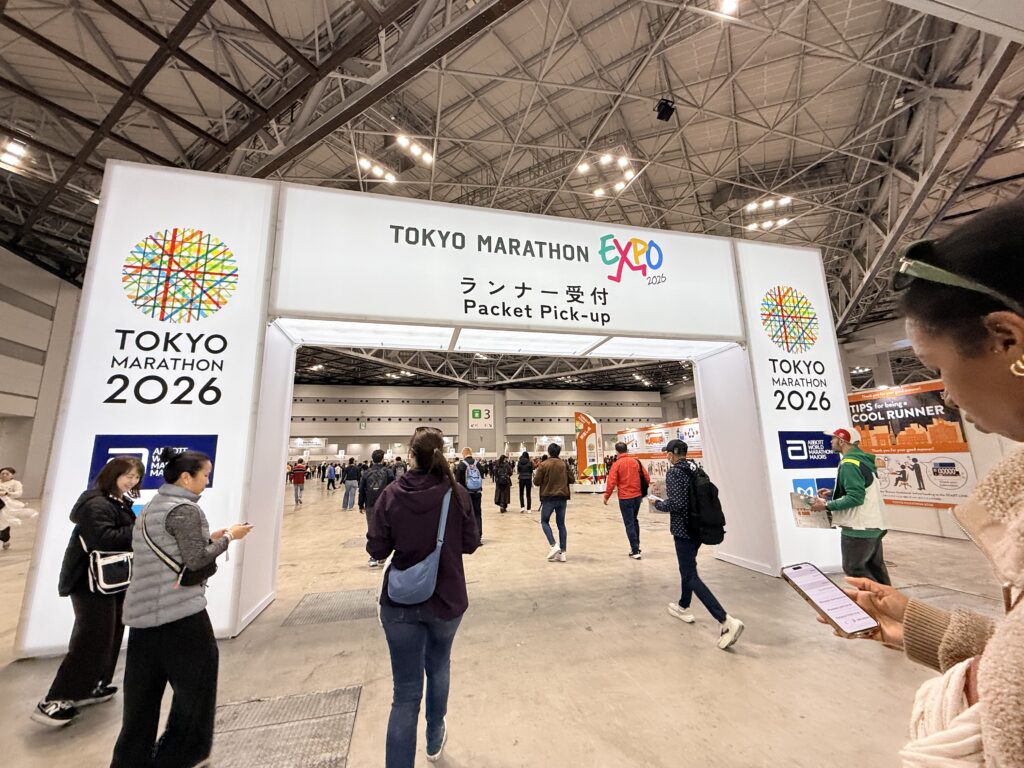
The Tokyo expo set the tone immediately: organized, efficient, and welcoming in a way that felt distinctly Japanese. Bib pickup moved quickly despite the massive crowds, volunteers guided runners with remarkable precision, and the expo floor felt like a celebration of running itself: all the major shoe brands, gear, and race merchandise rather than the bike components and triathlon equipment that dominate Ironman expos.
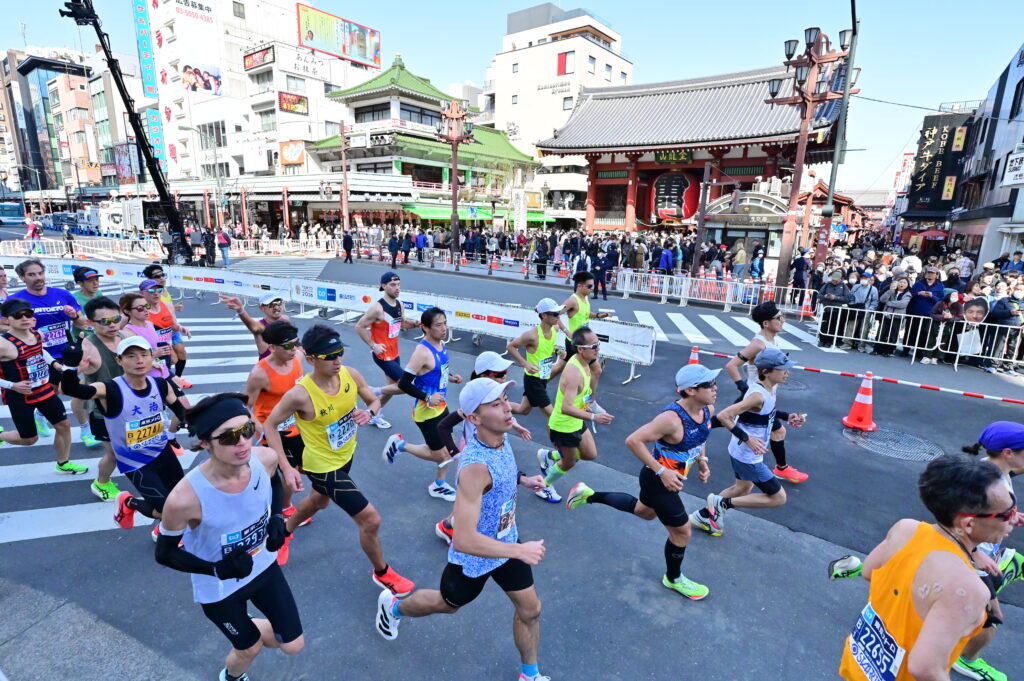
Race morning carried the same energy. From the moment runners arrived at the Tokyo Metropolitan Government Building in Shinjuku, the event carried the energy of a truly global race. The corrals were clearly marked, the athlete flow was smooth, and the start in Shinjuku had the charged, electric atmosphere that only a truly world-class event can generate.
The course itself rewarded patience. The opening 5 to 6 kilometers run downhill, enough to get the legs moving freely without tempting you into going out too fast. After that, the course flattens almost completely, all the way to the finish. For athletes chasing a time goal, that profile is a gift. There are no major hills to blow up your pace and no late climbs to survive. Just you, your fitness, your grit, and 26.2 miles of honest metropolitan road.
The spectator support was extraordinary throughout. The course was lined almost continuously with crowds filling the streets in wave after wave as runners passed through different neighborhoods. Hydration was never an issue, with water and Pocari Sweat stations appearing regularly across the course. For athletes accustomed to the aid station planning that Ironman demands, the abundance was almost disorienting in the best possible way.
And then there’s the travel which, for anyone coming from a triathlon background, will feel almost suspiciously easy. Anyone who has flown for an Ironman knows the routine: oversized bike boxes, airline fees, hotel-room assembly, and the lingering concern that something might get lost along the way. Tokyo looked nothing like that. Arrive with minimal equipment, sometimes just a carry-on and race shoes, go for a short shakeout run, visit the expo, and race!
Here’s the thing though: if you’ve spent years managing the logistics of triathlon travel, you are already over-prepared for this. Packing nutrition, organizing race-day bags, building pre-race checklists, troubleshooting gear on the road. When you strip it down to one sport, that same organizational instinct doesn’t disappear. It just means you show up to the start line with everything you need and nothing you don’t. The relief is real, and it’s earned.
Shoes. Shorts. A few gels. That’s the entire equipment list. For a triathlete, that’s not underprepared—that’s a vacation.
Setting Goals Across Disciplines
One thing that doesn’t change between triathlon and marathon racing is the importance of having something to chase & achieve. In Ironman, goals tend to be layered: finishing, qualifying, going sub-whatever on the bike, running a strong marathon off the bike. The complexity of three disciplines gives athletes multiple levers to pull and multiple ways to measure a good day.
Marathon goal setting is simpler, but no less meaningful. For some athletes, it’s a specific time: breaking three hours, qualifying for Boston, running a personal best. For others, it’s about the race itself, completing a World Marathon Major, running all six (or seven, or eight), or simply showing up healthy and strong after a season of consistent training.
The specific target matters less than having one. What keeps endurance athletes coming back is the presence of a goal that requires something from them. Something that demands preparation, discipline, and a willingness to find out what they’re made of on race day to reach the finish line.
That goal-setting instinct is one of the most transferable things about this sport. It moves with you, whatever distance you’re covering.
Cost Differences
Cost is another area where the two disciplines diverge. Ironman races have become major financial commitments. Entry fees alone are now more often about $1,000 (or more), and once travel, lodging, and bike transport are factored in, the total can easily reach several thousand dollars.
Marathon majors aren’t inexpensive, especially with international travel involved but the structure is simpler. Entry fees typically range from $200 to $350, and without the need for specialized equipment or bike transport, overall costs are often significantly lower.
The challenge, of course, is getting in. Most majors operate on lottery systems or require qualifying standards. But once you’re there, the race experience itself is remarkably straightforward.
Unpopular Opinion: It Doesn’t Have to Be a Major or Kona
The World Marathon Majors carry prestige, but the spirit of the experience isn’t limited to those races. Your marathon might be in Tokyo. Or it might be a local race in your hometown with a few hundred runners and volunteers handing out water cups along the course. The scale may be different, but the challenge is the same: 26.2 miles of patience, pacing, and resilience. The same logic applies in the other direction. Your triathlon doesn’t have to be Kona or a full Ironman distance. A local sprint or Olympic race carries the same spirit as any major—and for a runner crossing over into multisport for the first time, it might be exactly the right entry point. The format is flexible. The goal is yours to define.
Looking Ahead
I’ll be on the ground later this year at London, Berlin, and New York City Marathon. If you’re racing, cheering, or will be on the ground at any of those and want to connect, I’m always happy to meet fellow Slowtwitch readers along the way!
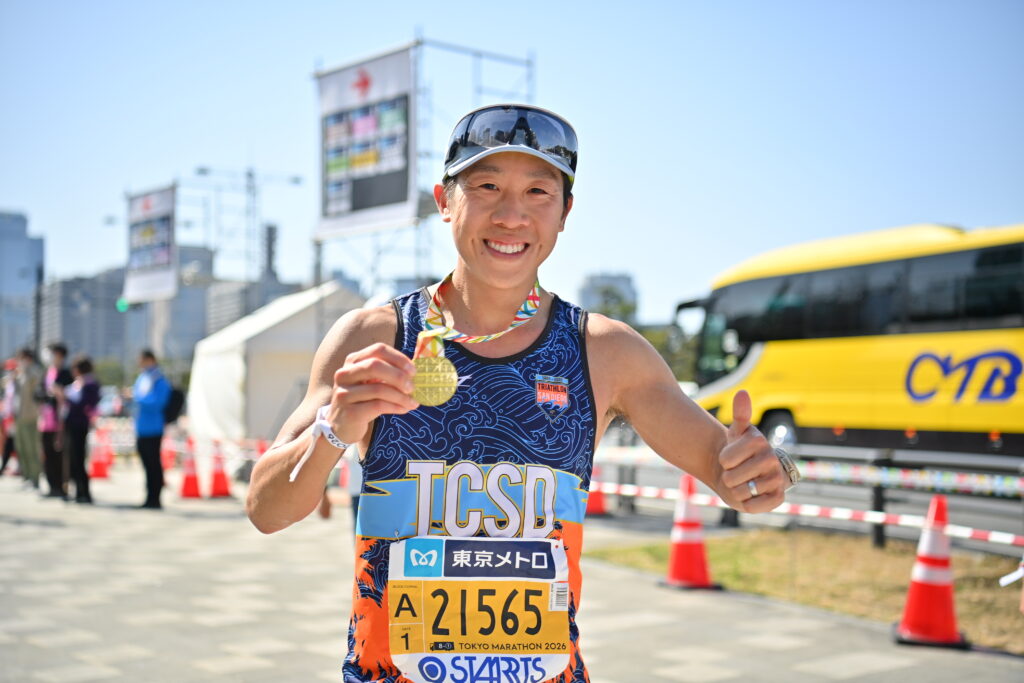
Endurance sport has a way of evolving alongside the athletes who do it. The format changes. The distances shift. You move from triathlon to marathons, or from marathons into multisport, or back again. Somewhere in each transition, you rediscover the same thing that got you into this world in the first place…the drive to set a goal, prepare honestly, and find out what you’re capable of on race day.
When an opportunity comes around, whether it’s a lottery entry, a qualifying time, or a race you’ve always wanted, GO FOR IT!




Start the discussion at forum.slowtwitch.com