


Train Like a Pro – Swim Faster This Season
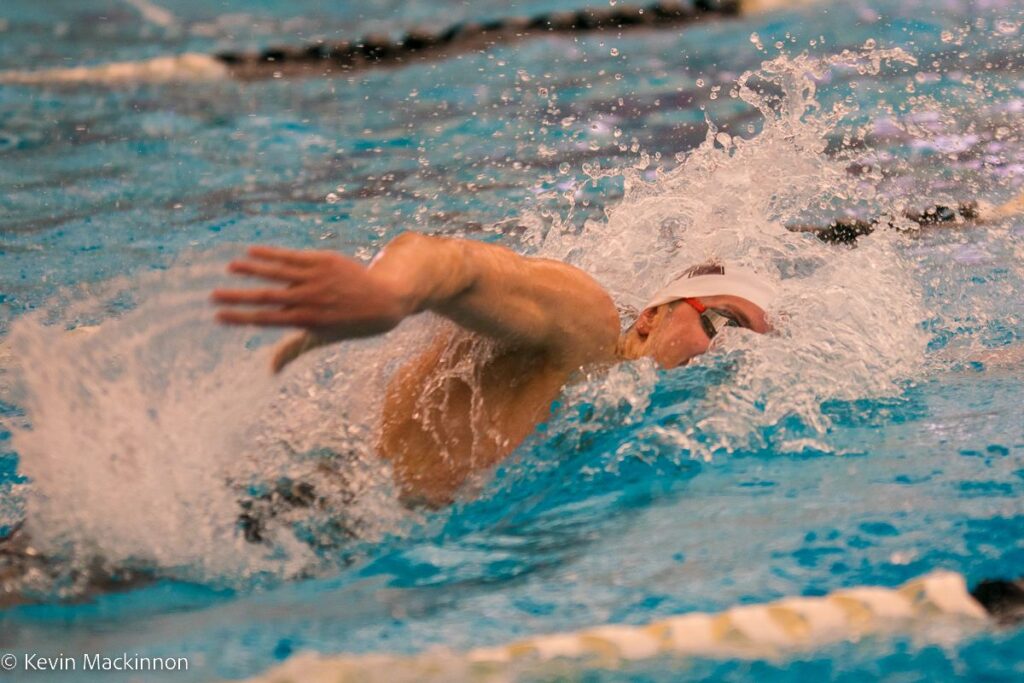
Swimming like a pro doesn’t just mean swimming like a pro. Granted, they have the extra time, but when a pro triathlete shows up to swim, there is a specific plan to execute, and it doesn’t just include laps. While you might not have the same amount of time as the pros, you can set up the appropriate support structures to ensure you’ll get the most out of your training.
1. Have a Plan
Having a specific plan, both short and long term, is essential. Knowing what you’re doing and why, and how that fits into the big picture, will help you stay focused and give you the best possible chance of improving. Planning needs to be specific in terms of technical details to work on and what set you’re swimming on any given day. You also need to think about how each set impacts long-term improvement over the training block, season and year.
2. Dry Land Warm Up
No doubt you’ve seen pros warming up on deck before a swim session, or before a race. Having a set dry land routine before you swim will get you mentally and physically ready to swim and, even more importantly, help keep you healthy – especially those shoulders! On race day you’ll also have a warm up ready to go that will signal to your body it’s time to swim.
Ten to 15 minutes is all you need, but even a five-minute warm up is better than none. Perform a few key mobility movements (like arm rotations and swings), and then activate your core and shoulder muscles. Two great core activators are dynamic planks and glute bridges. For the shoulders, use a band for a few chest openers, lat activators and rotator cuff movements. You don’t need more training, and you aren’t looking for adaptations here, just two sets of 6 to 10 repetitions is enough.
Here’s a quick warmup routine you can do with a band to get yourself primed for your next swim workout – the video below runs through each of the exercises:
- Straight arm “pull aparts” (short) or chest openers – low, shoulder height and above your head
- Band pull aparts (long)
- Standing chest press
- Lateral raise – single arm (straight)
- Front raise – single arm (straight)
- Biceps curls
- Triceps extensions
- Cross-body extensions
3. Fueling
Taking on nutrition while you’re swimming can feel pretty hard, but ensuring you’re swimming fueled is necessary for performance. No pro is going to the pool without some form of nutrition. Even if you feel like you don’t need it for an early morning short recovery swim, you’re always burning energy, and you need to be conscious of big-picture fueling. And another good rule of thumb: if you’re starving after a swim, you didn’t fuel enough.
Choose the amount of energy you need based on the duration and intensity of your swim. A good place to start is with a 500 ml bottle with electrolytes and 25 to 60 g of carbohydrates that you can sip throughout the set. Make a conscious effort to take a mouthful or two whenever you have breaks throughout the main parts of the swim. Alternatively, or in addition, a gel as you’re diving in or before / during the main set will help achieve adequate intake.
4. Mental Game
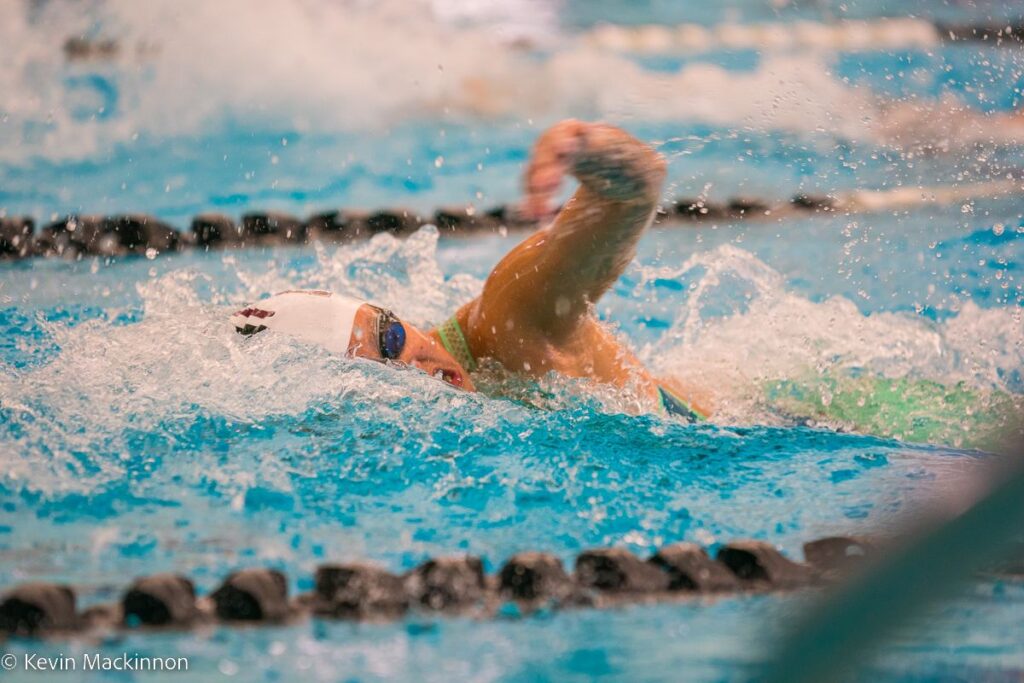
Take a minute or two to really read your set: know where you need to work, what the technique drills are aiming to stimulate, what equipment you need and understand the purpose of the session. If you have a 10 x 100 m threshold set, really mentally prepare to push yourself during those 10 reps. Fuel for the set, know your time goal, the rest interval and how you’re going to adjust if things are going well or going poorly. Likewise, if you’re using equipment or doing drills, understand why ahead of time. Don’t use equipment as a crutch, and don’t not use it because you think it’s cheating. Don’t rush through drills because “they aren’t working” or you “can’t be bothered,” slow down and figure out what they trying to achieve. Taking time to understand the purpose of each part of the set will help you execute better.
Swimming is a lot more fun when it’s going well, but, especially for most triathletes, that’s not the case every single day. If you have a bad swim, it’s just one swim. Listen to your body, make adjustments and then move on with the big picture in mind. If you always have a bad swim, work on changing your mindset through both action and thought. What the pros know more than everyone is that it’s all about consistency–and that doesn’t just apply to the physical training.
Related: Improve Your Swim With a Masters Program
5. Recovery
Recovery starts as soon as you hit the wall at the end of the workout. As soon as possible after your swim, take in some recovery nutrition — whether that’s a protein shake or a snack. Stretching is next on the list, but it’s not always easy to fit it in after a swim. A quick few minutes in the shower, or even at the end of the day when you’re brushing your teeth, will help maintain shoulder health. Still struggling? A few shoulder stretches during a pre- or post-run or bike warm up / cool down will help.




One point not covered but very important is know and train your weaknesses. Whether that’s take out, steady pace, drafting, turning, sighting or positional awareness and comfort.
Even really good swimmers including pool swimmers will have weaknesses here when it comes to open water
My top general tips for getting faster is
Have some goal times, whether you think you can do them this year or in a few years.
Be realistic - total distance covered in 30 minutes in long course is a more realistic measure of open water capability than a 10x100 on 15 seconds rest in short course
Learn how to swim fast without using your legs too much. I can sprint really fast with a big kick but it gives me way too much lactate, so I have had to adjust my technique with experimentation and using a scissor kick to give myself more leverage
Ask faster people questions and observe and make notes. Ask them about people faster than them and then take notes. Be careful though and never meet your heroes (that’s bound to be disappointing)