


Why Every Triathlete Needs a Strength Training Routine
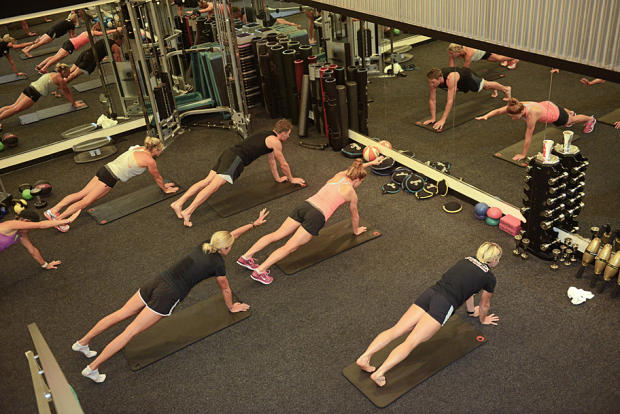
There are a lot of things in life that we know we should be doing, but always find an excuse to skip. Remember that book you bought months ago, but never got around to reading? Or your decision to limit your screen time? What about the promise you made to yourself and your dentist saying you would floss every night? No matter the person, there’s always a to-do list that remains unfinished, and for triathletes, one of these often-ignored tasks is strength training.
Every triathlete should incorporate strength training into their weekly workout plan, but too many people don’t. You convince yourself that you don’t have time for it — you have too much on your plate as it is with the swim, bike and run training, not to mention work and other responsibilities — but it’s actually one of the parts of training for which you should always make time. Here’s why.
Get Faster
You might think that the only way you’re going to get faster in the pool, on the ride or on the run is to do those three sports more, but that’s not true. Hitting the gym or doing at-home strength workouts can help you lower your times in each leg of triathlon.
For the swim, core exercises will help you improve your body position in the water. You’ll strengthen your lats and shoulders (although these won’t be the main focus of weight training, as you’ll read below) to get a stronger pull and therefore more power with each stroke.
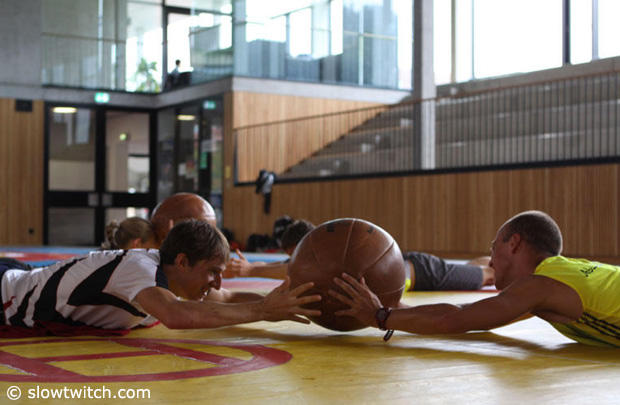
For cycling-specific workouts in the gym, you’ll of course focus on legs. These exercises will up your force per pedal stroke, helping you all around but especially on climbs and in moments when you need to drop the hammer and accelerate.
When it comes to the run, you’ll engage in glute and calf exercises. These will work to improve your running economy and push-off. In each of these cases, you will not only get faster thanks to your work in the gym, but the strength you develop will allow you to go longer, too, which is exactly what you’re searching for in your triathlon training.
Stay Injury-Free
If getting faster wasn’t enough to convince you to add strength work to your training schedule, this should do it: hitting the gym will help with injury prevention. Think about the daily strain you put your body through in your standard swim, bike and run training. You’re hammering the same muscles day in and day out without much variety. While you can certainly approach this in a smart way (making time for easy sessions and rest days), a weekly strength routine will protect you even more.
On that note of hitting the same muscles every day, strength training will allow you to address those imbalances and emphasize different muscle groups. Swimming works your shoulders, upper-back and chest and, although this is great, it doesn’t promote much stabilizer strength. This can lead to rounded shoulders, shoulder impingement and more, which is why strength and weight training is so necessary for swimmers. (We will not be diving in to exercises in this article, but in the coming weeks we will have swim-, bike- and run-specific strength workouts for you to try at home or in the gym.)
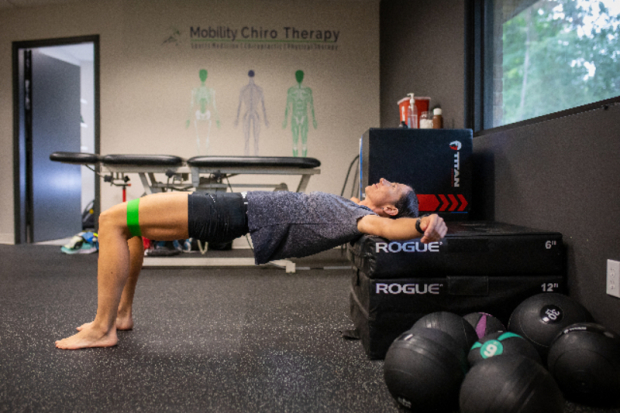
When it comes to cycling, endless hours on the bike can lead to overdeveloped quads and underdeveloped glutes, so you’ll want to add exercises to work on this imbalance in the gym. On the run, you place a lot of stress on your calves and hamstrings, so you need to strengthen those, along with your glutes, stabilizing muscles and more.
Looking after all of these less-used muscles and muscle groups through strength training will go a long way in preventing injuries. It might feel tedious adding this to your training schedule, but doing a strength session once or twice a week is objectively better than being sidelined for weeks or even months due to injury.
Prevent Muscle Loss
For most people, muscle loss begins somewhere in their 30s. It might start earlier for some people and later for others, but when it gets going, muscle mass declines anywhere from 0.3 to 0.8 percent per year. This picks up to as much as one or two percent per year at the age of 50, and it only continues to accelerate from there.
That is why it is so important to engage in strength training. You could be the most physically active person and have the best cardiovascular health thanks to your regular swimming, cycling and running, but if that’s all you do, your muscles will decline quickly when you hit certain ages.
Strength training is not something you need to do solely to find success in triathlon — it is a recipe for success in all facets of life as you age. Not sure where to start with strength training? Follow along on Slowtwitch.com as we release more content with specific workouts and exercises you can try on your own.


Start the discussion at forum.slowtwitch.com