
Built on Belief: The Inside Story of ROKA Multisport’s Sponsored Athletes
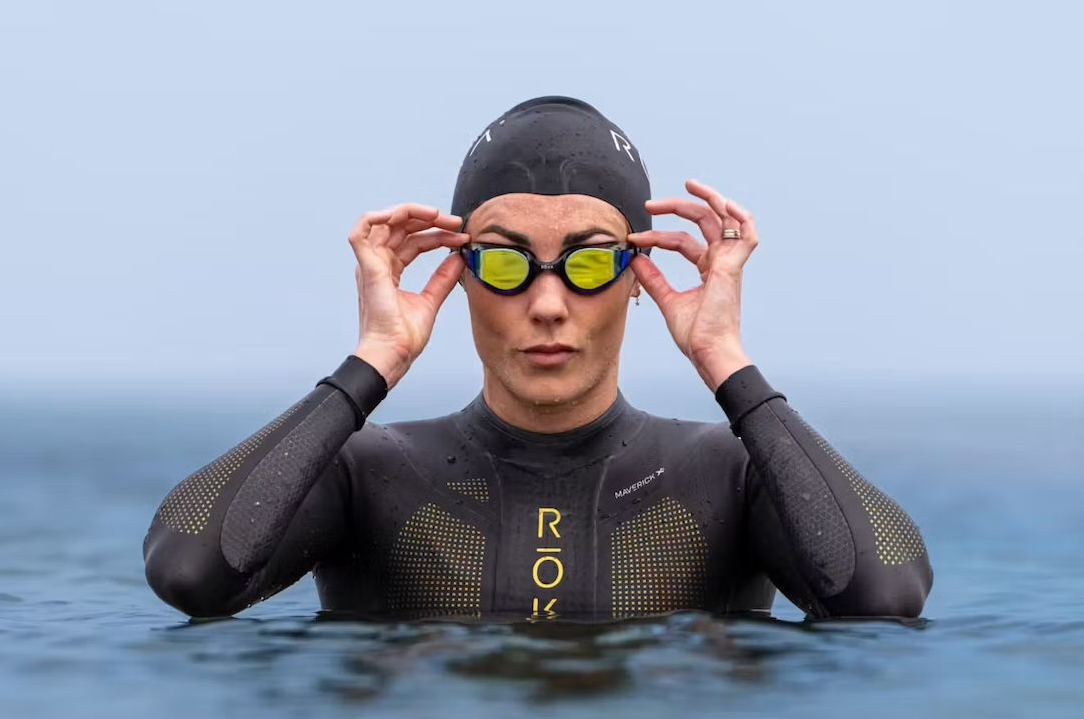
Walk into the expo at any IRONMAN event these days and you’ll see a cluster of athletes checking out the ROKA Multisport and glasses products, all under posters depicting some of the sport’s biggest names. It’s been an incredible journey for the company that got its start less than 15 years ago when a pair of undersized, over-motivated former Stanford swimmers filled a garage full of neoprene as they sought to create the world’s fastest wetsuit.
“Rob and I both swam together at Stanford,” says ROKA co-founder Kurt Spenser. “We were both undersized athletes, but had a real love of the game and the sport and all the little details.”
So how does a pair of “undersized athletes” create one of the biggest company’s in the world of multisport? The aforementioned Rob Canales was finishing law school and wanted “one thing before he kind of lost his entire life to a corporate law job,” Spenser recounts. The two of them signed up for IRONMAN 70.3 Austin. Along the way, the pair decided that there just wasn’t a wetsuit that really worked for them as former swimmers. Spenser had spent time at Stanford’s product design program, while Canales’s wife was also a designer.
“Our mission was to build the fastest wetsuit with some of these pet ideas that we have,” Spenser says. “We had done our own internal testing, repeat 800s and repeat 400s in various suits. We had swallowed a thermo pill, done heart rate lactate testing, trying to really get some data on our final suit design. The suit was measurably faster. I had a lower heart rate, lower core body temp.”
They decided they needed to test the suit on a pro triathlete, and one man quickly came to their attention – American pro Jesse Thomas. Thomas was a friend of the man who would eventually become the COO of Roka, Michael O’Neill – the two had been roommates in college. A former college cross country steeplechase and cross-country champion, Thomas was starting to gain prominence in the world of multisport racing after breaking through at the famed Wildflower Triathlon.
“He had broken his neck and had fused C5, C6, and so he had a few things mechanically that were tough,” Spenser says. “We thought if we can make a wetsuit that has some real, definitive advantages engineered into it, nobody could benefit from that more than Jesse.”
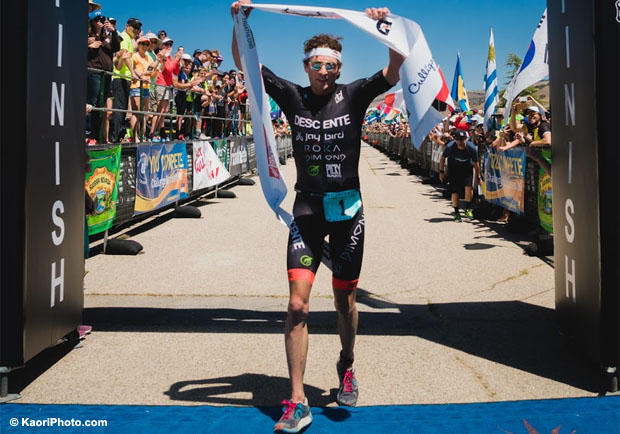
Thomas was training with coach Matt Dixon at the time and both were amazed at how much of a difference the suit made. Dixon had another pro who happened to be a great swimmer – he asked if they would be interested in working with her. That is how Meredith Kessler officially became the first Roka sponsored athlete – they hammered through a deal in order to get her in the suit at IRONMAN New Zealand.
“These were literally unbranded black prototype suits,” Spenser says. “So we scrambled and got Meredith a suit.”
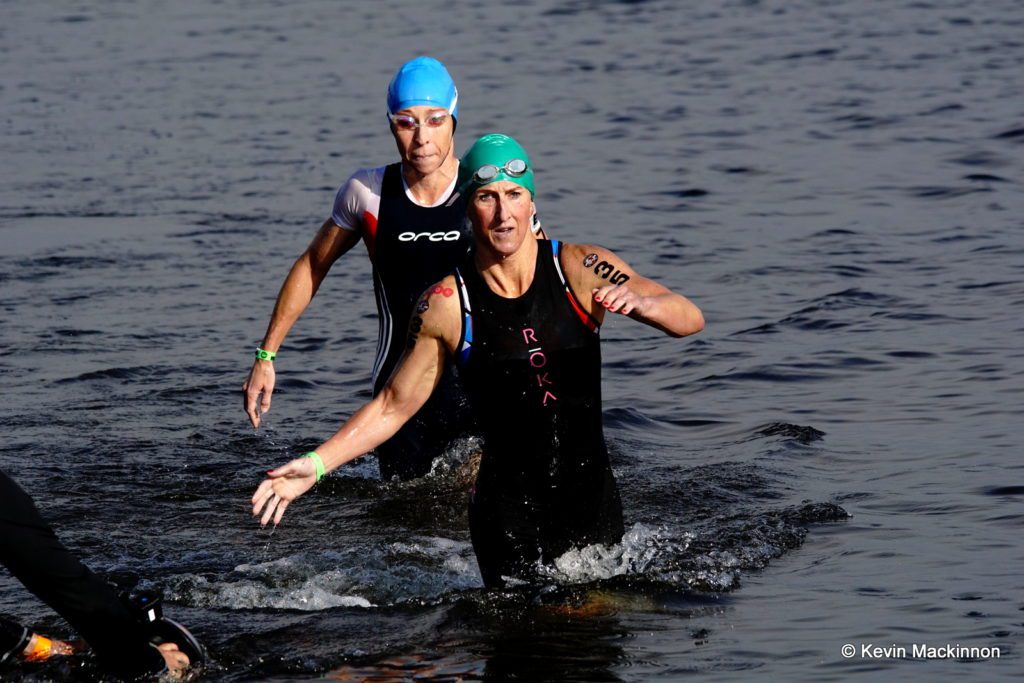
Kessler would improve her swim time over the previous year and go on to win the race. Thomas was becoming something closer to a lab partner than a sponsored athlete.
“Jesse was like our spirit animal,” Spenser says. “He was a non-swimmer. Rob and I came from a very deep elite swimming background, so we needed to make sure that, for someone who doesn’t have the exact stroke mechanics that we do, that this thing also works. We went back and forth on a few little tweaks.”
Word of Mouth
The ROKA-sponsored athlete list started to grow as athletes began talking to each other. Another former collegiate swimmer-turned-triathlete, Laura Bennett, was testing suits and was the next athlete to come onboard. It was Bennett’s husband, Greg, who delivered ROKA one of its biggest sponsored athlete breakthroughs. Ahead of the Hy-Vee race in 2012, with its $100,000 winner’s prize purse, Olympic silver medalist Javier Gomez was in need of a swim skin. Bennett suggested to Gomez that he try ROKA’s suit. Canales jumped on a plane to deliver one to the Spaniard, who would go on to win the race. At the end of the year, as he renegotiated a number of contracts, Gomez would sign with ROKA.
“Our first really, really big signing,” Spenser says. “We could not have landed with a better ambassador for the sport.”
There was a parallel story happening on the women’s side of triathlon. American Gwen Jorgensen, who had competed in her first Olympics in London in 2012, was in the midst of testing a number of different products.
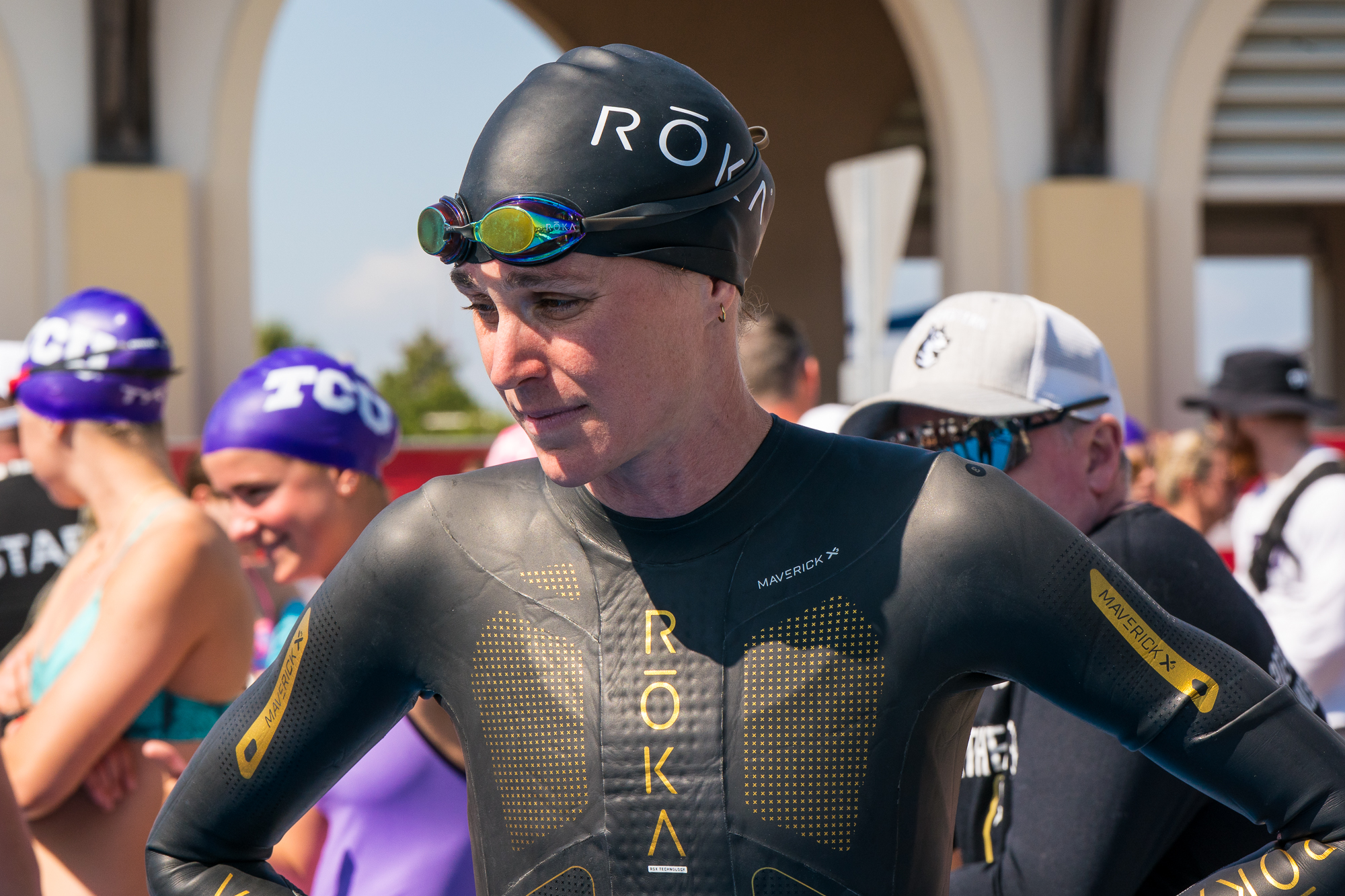
“I remember talking to her team and they said, ‘this is not the best offer we have,'” Spenser says. “We were a really small company. We were offering the best contracts that we possibly could. And they said, ‘Gwen really wants to go with ROKA because she just loves the product and really believes in it.’ That was such a huge win for us, because at the time we just could not compete on cash with huge global brands that already existed and had been in business for decades.”
With two of the best short-course athletes in the world racing in their gear, the ROKA team was pushed to innovate.
“ROKA is all about high performance, which is why I’ve partnered with them from Rio to LA 2028,” Jorgensen says. “They don’t just innovate – they listen. When I give feedback, they immediately make changes to make me faster and more comfortable. As an athlete, I love innovation, and I’m proud to partner with a brand that shares that absolute passion for speed.”
Spenser recalls Jorgensen’s kit for Rio being “engineered down to the millimetre.”
“Those are the kind of athletes we love, because they’re pushing us to make the product better, and we feel really invested in their performance on race day,” he says.
The following year, at the IRONMAN 70.3 World Championship on the Sunshine Coast in Australia, Holly Lawrence and Tim Reed both won. “Both ROKA athletes,” Spenser says.
Great People, Great Ambassadors
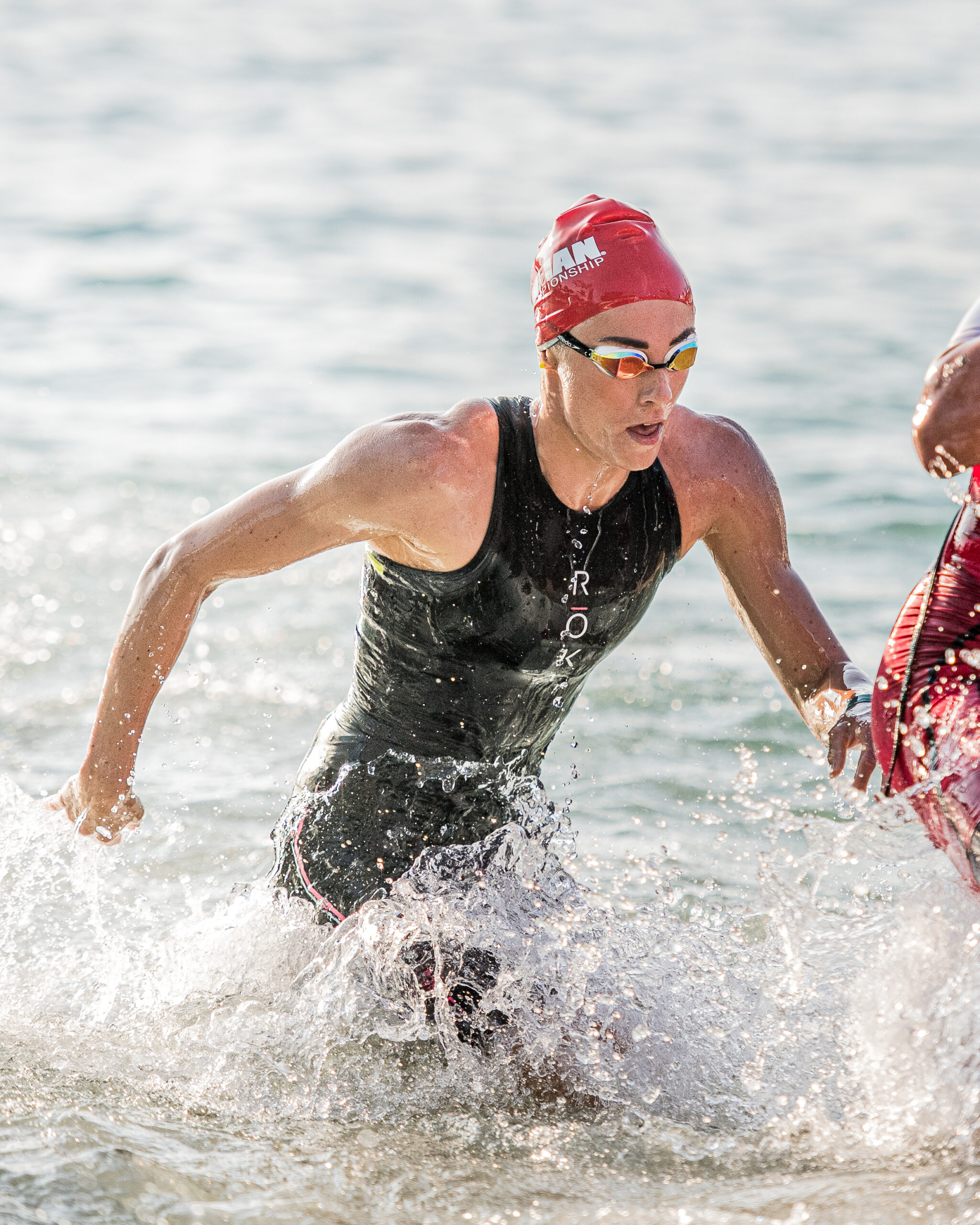
While performance is certainly key, when asked what ROKA was looking for in the athletes it sponsored, Spenser doesn’t put times or titles at the top of the list.
“I think the first thing is that they have to be great people that are great ambassadors,” he says. “Not just for the brand, but for the sport. People that just love it and love the community and are really, really invested in it. I think there are people that just found so much value in the community and the pursuit of triathlon beyond the result. They just got so much joy out of it. That was always really important to us.”
The second component is that drive that got Spenser and Canales involved in the first place.
“It was also athletes that had really big ambitions and dreams – what we internally call the bleeding edge,” he says. “There’s the leading edge, and there’s people who are trying to go beyond, or to do things that have never been done. We saw Javi [Gomez] racing Alistair [Brownlee] out there every weekend, and we just kept thinking this guy’s doing stuff that’s never been done before.”
Which is why ROKA wants athletes who come back with demands.
“We love it,” he says of the athlete feedback. “A lot of the guys on the product team – for example, Mark Stevens, who leads product for us – also swam at Stanford. We all share a mentality about not accepting how things were done yesterday and always looking for new ways to improve. On the wetsuit, with a lot of our early stuff, we got a lot of pushback on some of the things we were asking for because they just hadn’t been done that way before […] So we had to find manufacturing partners who were willing to figure it out with us and take a risk.”
It’s that same drive that has brought athletes like Flora Duffy, the Tokyo Olympic gold medalist (who left “no stone unturned,” according to Spenser) and Lucy Charles-Barclay, to the ROKA team. With Duffy, the relationship went well beyond wetsuits.
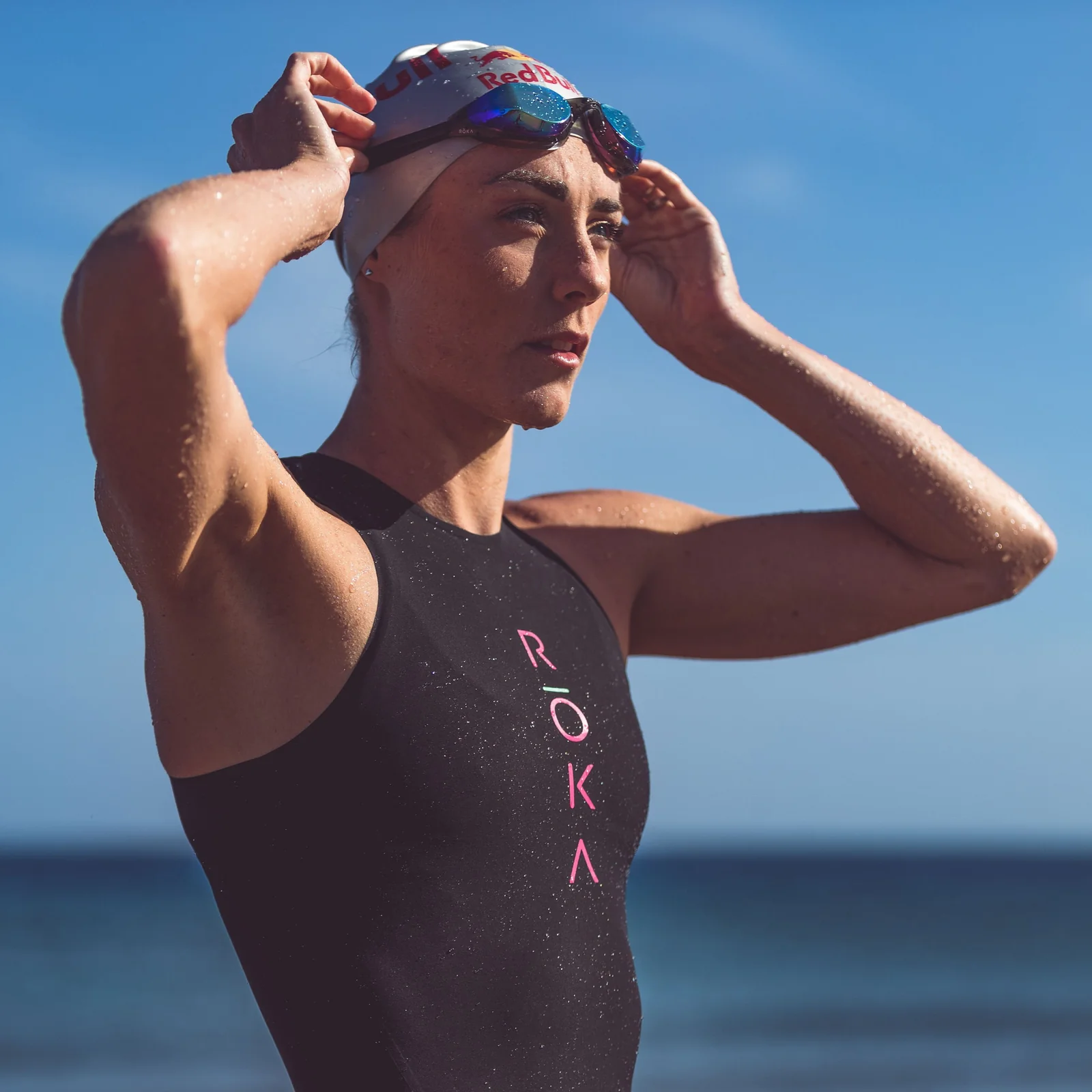
“Not only did we do her wetsuit, we did all of her race apparel and kit,” Spenser says. “We designed all of her race apparel and kit, including custom designed Bermuda kit for the Tokyo Olympics. It was going to be a really, really hot race, so we did a lot of work on the apparel side for her.”
ROKA also outfitted the entire American team for Tokyo, using research into cooling and speed both in and out of the water.
The Pandemic, the Eyewear Detour and Getting Back
ROKA’s growth hasn’t been a straight line. During the pandemic, the company leaned on the eyewear business it had built, in some ways, around Thomas again. After wearing a pair of cheap gas station aviator sunglasses to win Wildflower one year, Thomas had taken to wearing that style for all of his races. When they got into the eyewear category, ROKA started with that style, and shipped Thomas a prototype pair as he was leaving to compete at IRONMAN Lanzarote in 2016. Thomas would wear the new glasses as he beat Jan Frodeno that day.
Moving into eyewear saved the company during the pandemic as racing disappeared.
“We’ve been a startup since day one, we’ve tried to run lean,” Spenser says. “When we came out of the pandemic, we didn’t want to under-invest in the multi-sport and apparel business, but we had to put every dollar to work in the smartest way possible to push through that period. It was really tough.”
The fix, eventually, was structural.
“We brought in a new investment group,” Spenser says. “We essentially have ROKA Multisport set up as a joint venture with ROKA and the original investors […] so it’s not as messy between where the money’s going between eyewear. It’s enabled us to reinvest in our athlete relationships across the board, in a lot of the partnerships – teams, USA Triathlon, IRONMAN.”
The IRONMAN partnership is an expensive one, but, for Spenser, it has been an important way to support athletes, especially age-groupers.
“Both IRONMAN and ROKA, we’ve worked really hard to make that partnership work,” he says. “They’ve had challenges, we’ve had challenges, but we’re just really committed to the athletes. Internally we say, ‘we’re here to sponsor everyone today in the swim,’ we want everyone to have a successful swim, however we can help.”
Product and People
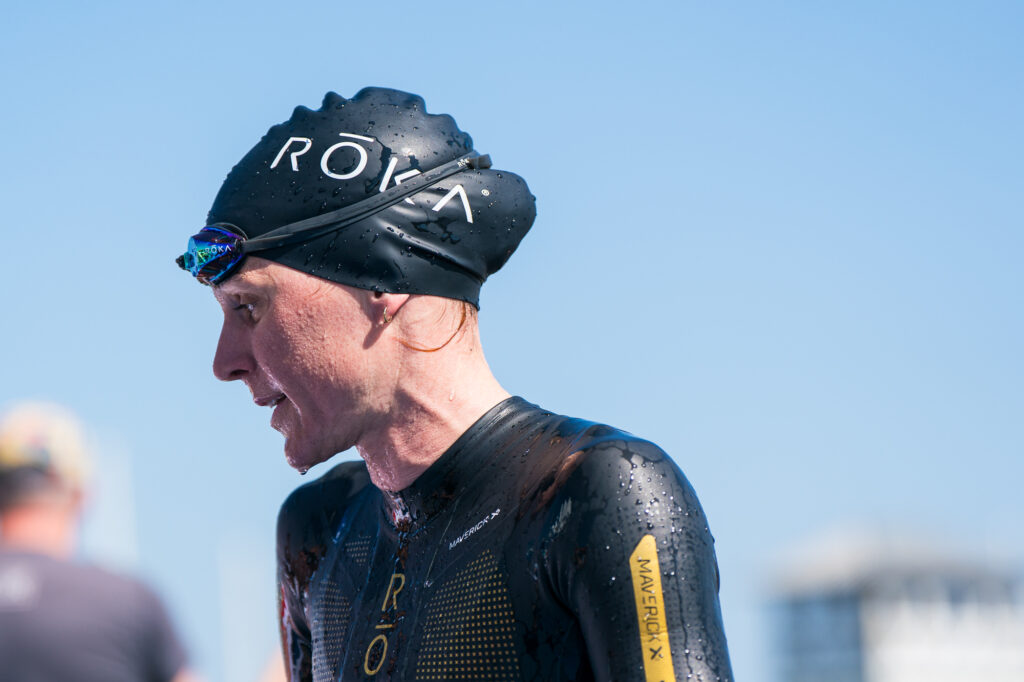
When Spenser and Canales were taking the leap to create ROKA, the wetsuit market was already crowded.
“We were not afraid of that competition because we really believed in the product,” he says. “I think that was part of the deal with the athletes early on. We are going to make the absolute best, fastest product for you on race day, and you’re going to line up knowing you’re in the best stuff, period. And if you ever need something else, we’re here.”
Spenser also credits the athletes they chose to work with.
“I’m incredibly grateful that the athlete we chose to work with were great people, had incredible results, were really committed to the sport and believed in our brand, and were happy to share it with their people and their communities.”
Roughly 14 years after those first unbranded black prototype wetsuits helped Kessler and Thomas win races, the roster continues to grow and continues to include some of the sport’s greatest champions. Chelsea Sodaro, whose deal with ROKA was one of her first when she turned pro, is back in the fold. Charles-Barclay remains a headliner, and a new generation has also joined: Matt Hauser, Marten Van Riel and Taylor Knibb, to name just a few.
“It’s just exciting to see them push their performance to the next level,” Spenser says. “It inspires us to want to do more and continue to make the product better and faster.”
The 2026 ROKA Multisport Pro Team Roster:
Women
- Lucy Charles-Barclay
- Laura Philipp
- Taylor Knibb
- Chelsea Sodaro
- Holly Lawrence
- Flora Duffy
- Gwen Jorgensen
- Marjolaine Pierré
- Beth Potter
- Gina Sereno
- Milan Agnew
- Lizzie Rayner
- Danielle Orie
- Freya McKinley
- Kirsten Kasper
- Lotte Wilms
- Anne-Sophie Pierre
- Djenyfer Arnold
- Kelly Wetteland
- Chloe Sparrow
Men
- Mark Allen
- Javier Gómez Noya
- Lionel Sanders
- Magnus Ditlev
- Matt Hauser
- Sam Long
- Marten Van Riel
- Jonas Schomburg
- Trevor Foley
- Alessio Crociani
- Jamie Riddle
- Reese Vannerson
- Will Draper
- Cam Wurf
- Mathis Margirier
- Harry Palmer
- Thor Madsen
- Fraser Minnican
- Jonathan Homberg
- Jack Stanton-Stock
- Michael Gar




I enjoyed this read–thank you! I have to admit to be worried that the detour to sunglasses would result in a loss on the wetsuit side. It’s nice to see the course correction, and to hear that the sunglasses allowed them to survive when racing went away for a stretch.
I am not sure whether this is supposed to be an article or an advertisement.
In the interest of balancing the perspective, I will share my personal experience with ROKA. I was an early customer of theirs. My first purchases were a wetsuit and swim skin, both of which fell apart within the warranty period. They were good about replacements.
I later bought a sleeveless wetsuit for those rare races when you don’t really want to wear one, but are compelled by the dubiously low temperature reading. I went about a month past the warranty before using it the first time, and one side of it just completely delaminated on me—the neoprene just separated at the seams.
This time, there was no accommodation. I highlighted that I was days away from a 140.6. They offered me a 10% discount on a new suit.
Clearly, they had moved onto selling glasses and whatever other overpriced crap they are slinging. It had gotten to the point where they stopped caring about their reputation with any one customer.
Bottom line: their quality always has been suspect. At least they had decent customer service for a while, but no more. The budget seems to be reserved for all the pros listed in the article.
Buy a BlueSeventy wetsuit for something bulletproof
I doubt glasses were a “detour.” They were looking for venture funding and being “Warby Parker for the fitness set” was a much more appealing model (with a potential public exit) than making gear for a niche sport. Wetsuits/tri gear was clearly not their focus, as they shifted to what they saw as a bigger market opportunity.
As with many company profile articles, there’s a lot of rose colored spin and 20/20 hindsight.