
Challenge Roth Preview: TriRating’s Torsten Radde on the Pro Races
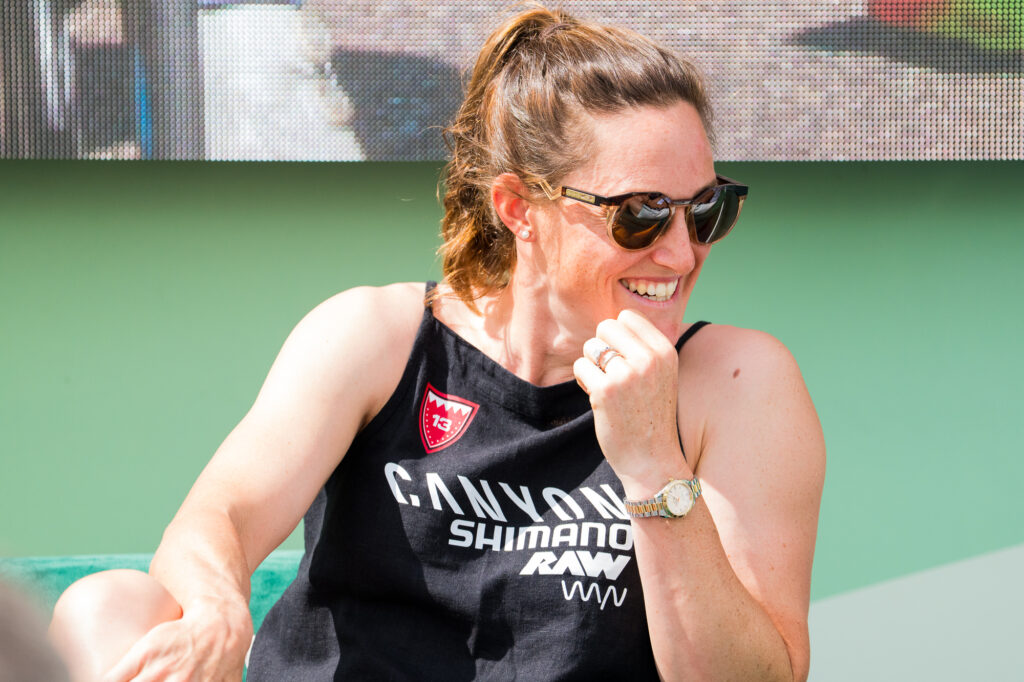
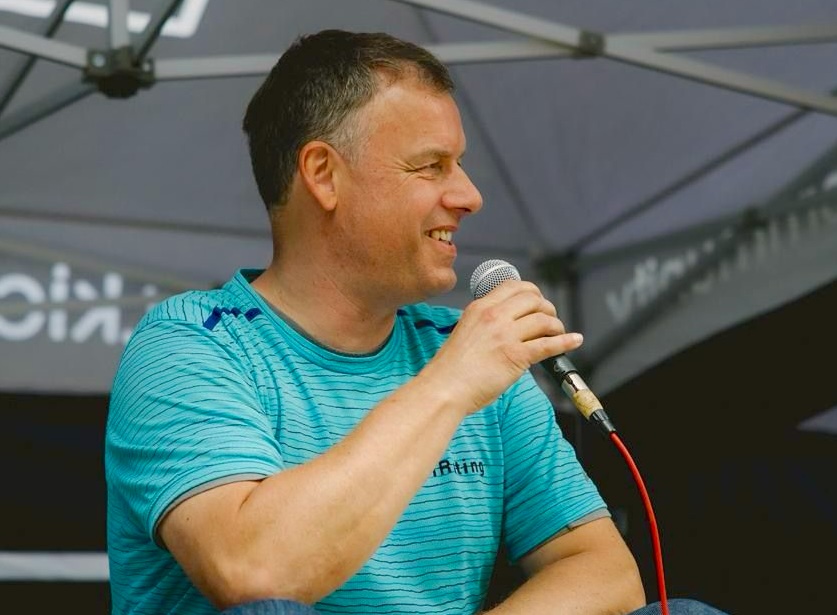
Ahead of Challenge Roth, we caught up with Thorsten Radde, the man behind TriRating.com, to break down what’s shaping up to be one of the most stacked fields of the season — a late-notice showdown between Lucy Charles-Barclay and Kat Matthews in the women’s race, and a deep, fast men’s field that includes defending champion Sam Laidlow and Kristian Blummenfelt.
The Women’s Race
This was shaping up as a two-woman race between Kat Matthews and Laura Philipp, and then Laura withdrew. Now Lucy Charles-Barclay is in. How big a deal is that?
It’s genuinely impressive on Roth’s part. I don’t think IRONMAN could have pulled off something like this — convincing an athlete of Lucy’s profile to commit in race week takes a level of relationship and logistics that’s hard to replicate. My guess is she and the organizers spoke about it earlier in the year. Lucy’s main objective for the season was clearly qualifying for Kona, which she did at Lanzarote. After that, she had to decide what to do with her summer, and she must have had good reason to choose a tougher race than Lanzarote for it.
I was in Lanzarote and saw how well she raced there. What did you notice from her win?
Two things stand out to me. First, she ran a strong time at Lanzarote — 3:01, basically matching the time she ran there last year when she also won. That suggests the post-surgery recovery has gone well. Second, she hasn’t had a truly competitive full-distance race in the last couple of years. First she missed Nice due to injury, won Lanzarote comfortably, then had a competitive, but ultimately mis-paced DNF at Kona. There were reasons behind that, but the takeaway for her was probably that she still hasn’t nailed how to properly pace an IRONMAN. Then she had another relatively conservative race at Lanzarote this year to requalify — likely not pushing the bike too hard because she was managing the run.
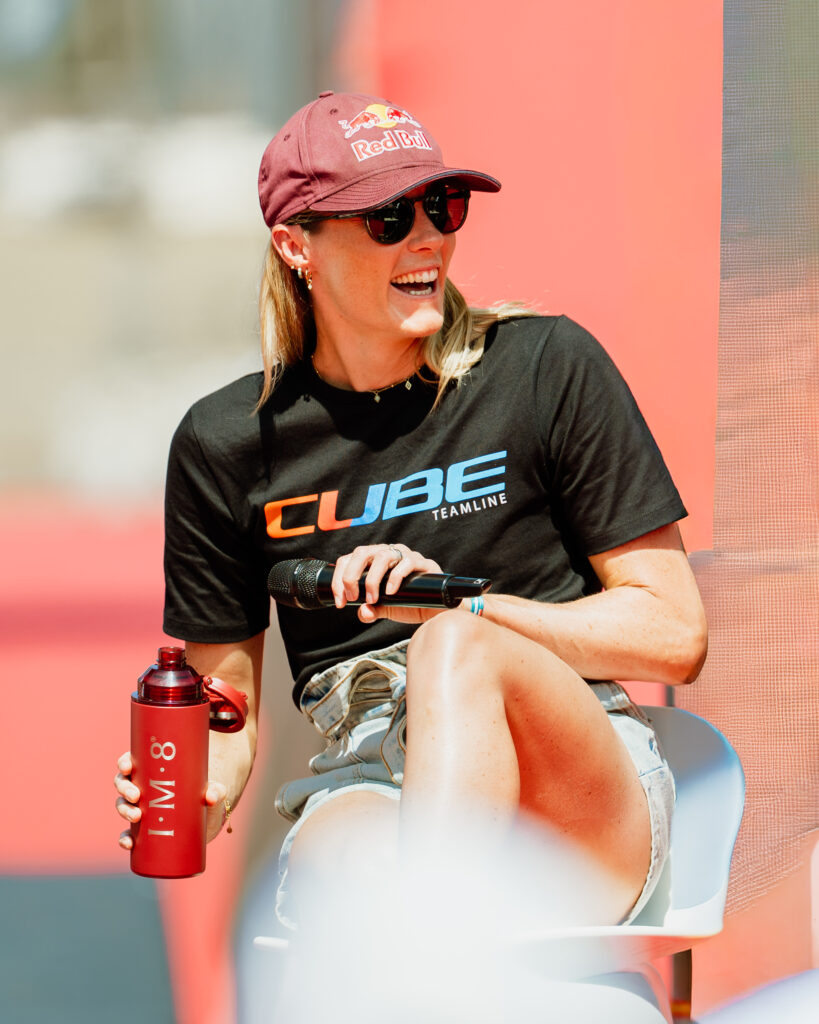
So now she has a race where she can line up directly against Kat Matthews, who’s been running extremely well. She knows she has to get the bike pacing right and then run enough of the marathon to genuinely learn something — without completely blowing herself up. That’s the reasoning I see behind her showing up here: getting a better feel for pacing ahead of Kona.
And what about Kat Matthews’ game plan and status as the race favourite?
There was a real debate about whether Kat or Lucy should be considered the favorite. To me, Kat is at least evenly matched with Lucy on paper — she should have the best combined bike and run in the field. Lucy will try to match her on the bike; whether she can match her on the run is a different question entirely.
Lucy will likely come out of the swim with a sizable lead — I’d guess around five minutes, maybe a bit more than the gap she had at Kona. That’s too large a gap for them to see each other on the course, so both will be pacing on their own. At Kona last year, Kat didn’t bike especially well, while Lucy biked hard, and the gap grew. Normally I’d expect Kat to close that gap on the bike here, but it could go either way depending on how hard Lucy rides.
If Kat is anywhere near her usual run form — say 2:45, possibly faster — and Lucy runs something like 2:50–2:55, that’s a ten-minute swing. I don’t see why Kat shouldn’t be the favorite.
Has Lucy ever run in the low 2:50s?
She ran 2:49 at Nice, which was likely a short course that year. Otherwise she’s run 2:58, but as far as I know, she’s never gone really low 2:50s. At Kona, the gap between them grew to around 13 minutes by T2. If something similar happens here, one of them is going to be in real trouble — either Lucy for having biked too hard, or Kat for not having biked hard enough.
Where does Daisy Davies fit in? She won IRONMAN South Africa and Challenge Almere last year – she’s unbeaten at full-distance races.
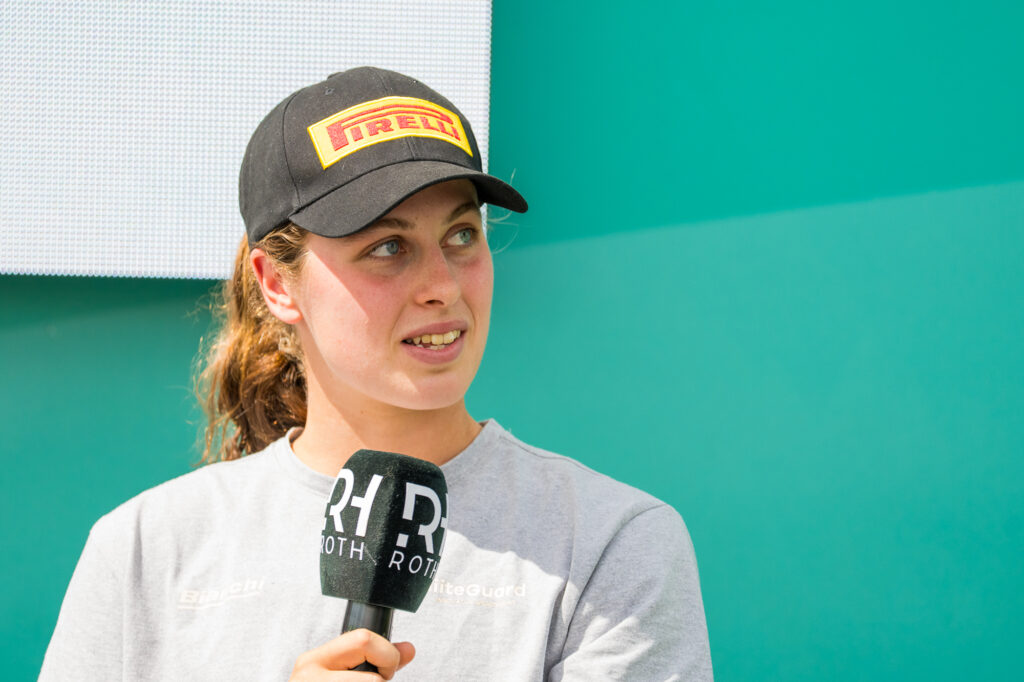
It’s hard to imagine her beating Kat and Lucy unless something happens to one of them, but she could well be the “survivor” of the day. She’s racing solidly enough that I don’t expect her to be out of the picture after the bike, and if something happens to the two leaders, who knows. Her realistic best-case scenario is a podium finish.
Any others to watch?
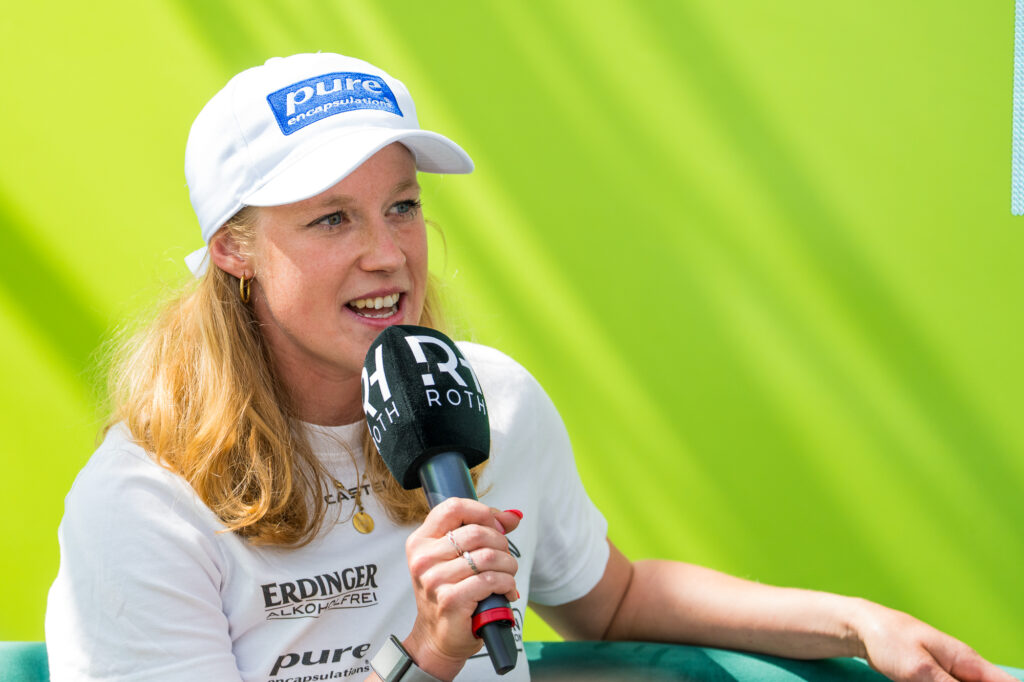
Caroline Pohle is doing her first full-distance race, and Roth has historically been a good spot for athletes to debut well. I spoke to her this morning and she was completely relaxed — here to enjoy her first full-distance race and soak up the atmosphere, which is exactly the right mindset for a debut. She’s been excellent at 70.3 distance, with three wins in her last three races, so she could genuinely surprise. Nobody’s expecting too much of her, which means there’s only upside.
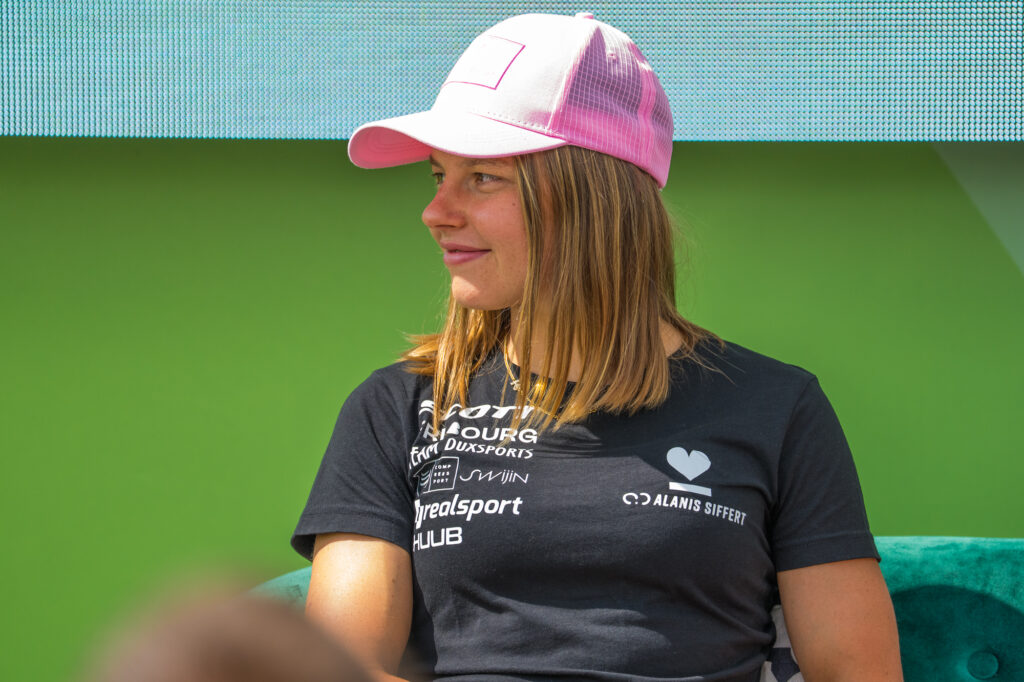
Alanis Siffert was third here last year and has had one standout performance — her first long-distance race at Challenge Almere — but hasn’t really run well at full distance since. She’s a bit of an unknown quantity.
Daniela Bleymehl has won here before and clearly has the bike speed. She mentioned that she’s going after her PR from Hamburg — I believe around 8:28 — and that she’s targeting that range again. If she rides something like 4:20–4:25 here, even with a slower swim and a more modest run, she’s in podium contention for a long time.
Fenella Langridge is also worth watching — another athlete on the comeback path after surgery. She ran a run PR of 2:56 at Hamburg four weeks ago and could be a surprise within that group fighting for the podium.
Could we see a sub-8 or a new women’s world best?
Short answer: no. There’s no wetsuit this year, and there won’t be a group forming at the front of the bike to keep the pace moving — not that Anne Haug had a group when she set the record. Anne is the counter-example: someone racing without heavy expectations, just going for it, who can produce a surprising result and a surprising time. But, historically, the conditions that produced the first sub-8 on the men’s side involved a group of three or four racing for the win, and I don’t see that dynamic here. We might see it on the men’s side instead.
If it’s simply a duel between Lucy and Kat, there’s a version where Lucy decides to swim and bike hard, ends up with a 10–12 minute lead, and only needs to run 2:50 to break the record — but I think she’d break herself doing that.
The Men’s Race
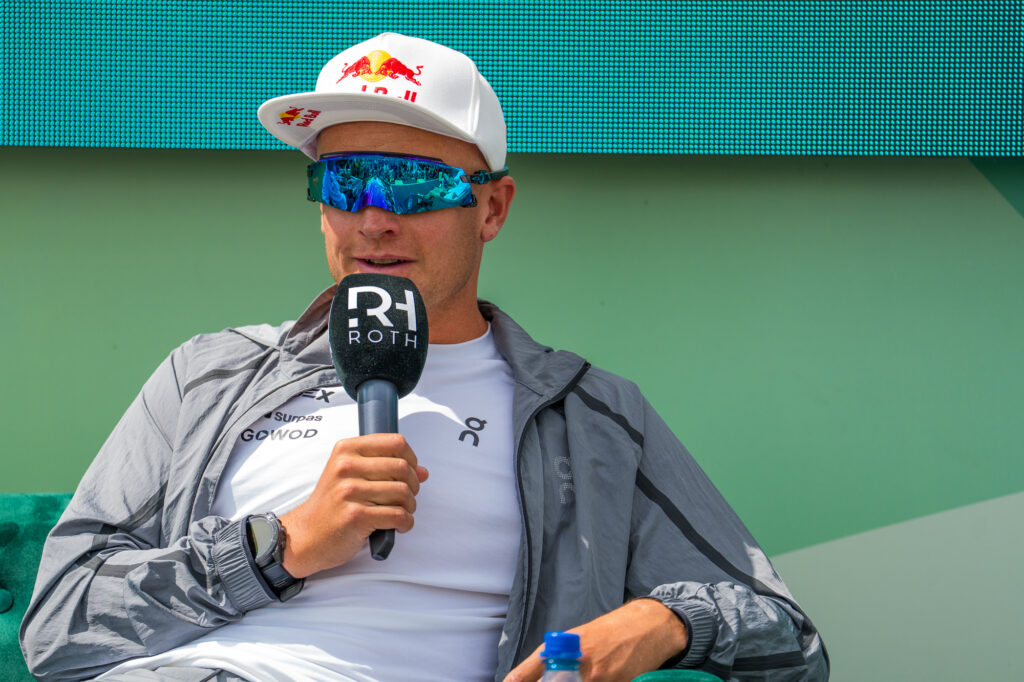
Kristian Blummenfelt comes in having been nearly untouchable since New Zealand. Is he the outright favourite?
Pretty much, yes. The two athletes I’d say are capable of running 2:30 here are Patrick Lange and Kristian. If Kristian runs something like 2:30, the question becomes: how big a lead does the lead group need off the bike to still beat him?
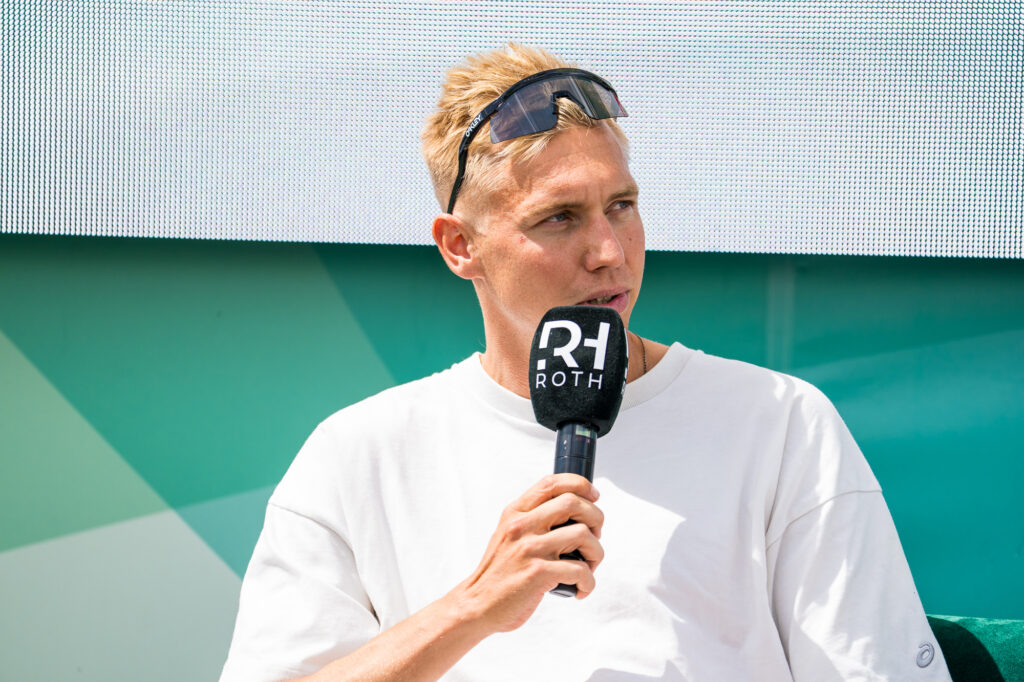
Sam Laidlow ran 2:37 last year. Jonas Schomburg ran 2:40, but has run well since at Texas and Nice — if he paces more evenly and doesn’t go out too hard, I could see him around 2:35 or so. Rico Bogen is more of an unknown, but 2:35 feels ambitious for him too. What I do know about Rico is that he’ll be with the lead group, or off the front, out of the bike — which puts him in a real tactical bind, having to pace himself within that mix.
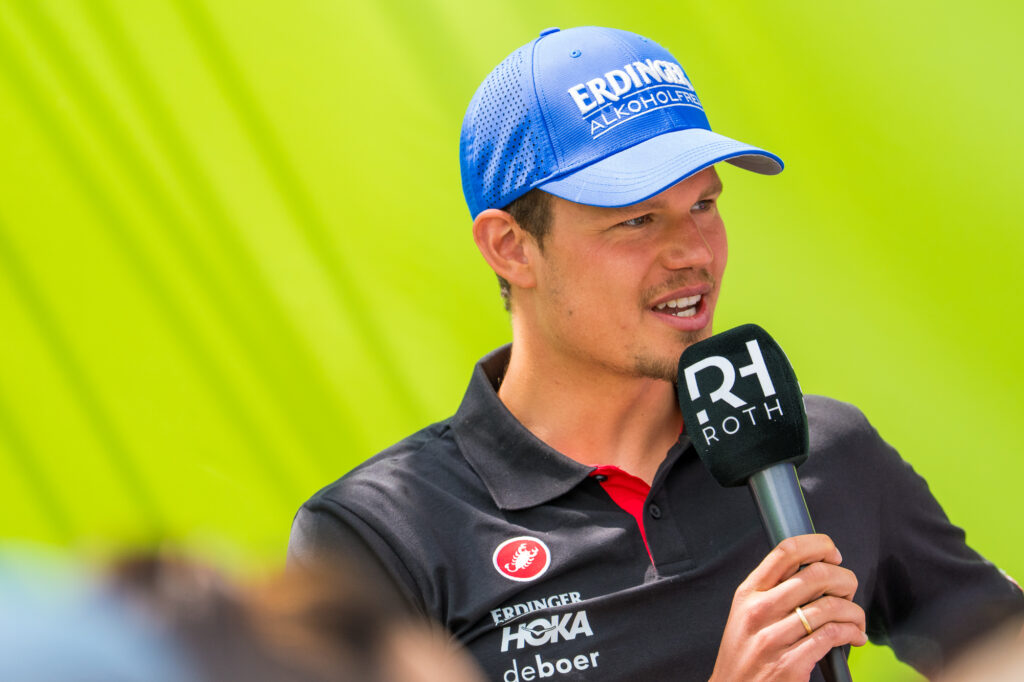
The bottom line is these guys likely need at least a five-minute cushion over Kristian off of the bike, which means they have to attack from the start. If they go sub-4:00 on the bike, with a decent swim and run around 2:35, they could end up in record territory almost as a byproduct of racing for the win, rather than chasing a number.
Sam Laidlow won here last year and delivered an extraordinary performance at Lanzarote –watching him ride away from the field and then back it up with a strong run was remarkable. I think he was sending a message: don’t forget about me.
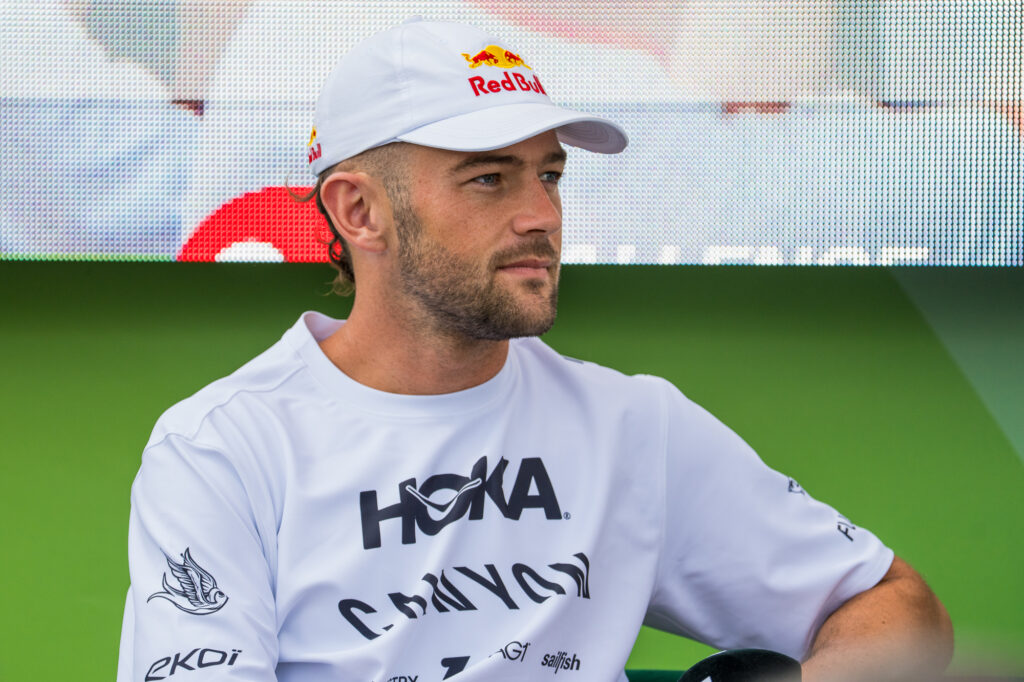
He doesn’t need to beat Kristian outright here; he just needs to show it’s close and use it to sharpen his approach for Kona. He’ll need to go off the front harder than he did last year, when he rode a 4:03 — a sub-4:00 bike is realistic for him.
Will we see Patrick Lange in a position to win the race?
That will be a challenge. In Kona, Patrick was able to race hard through the swim and bike to stay within a large chase group. Roth’s field doesn’t have that same depth, so any chase group here will likely be just one, two, or three riders. That could be a real problem for Kristian, too — he might end up riding largely alone, limiting his losses against a coordinated group of Sam, Jonas and Rico, who will work together to maximize the gap.
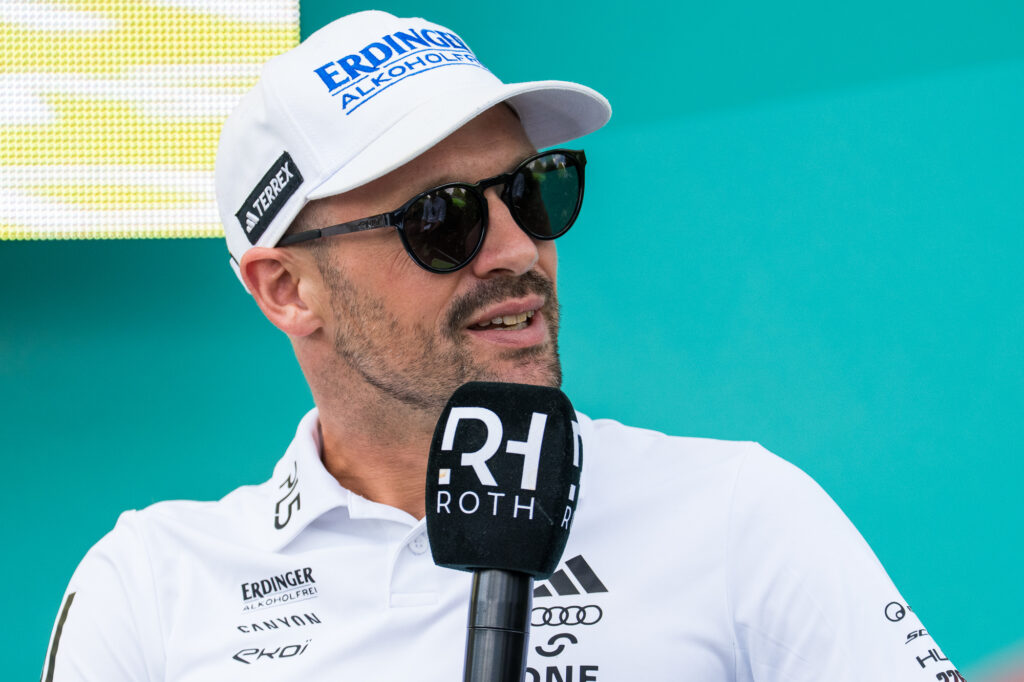
It’s tough to see much upside for Patrick at Roth specifically, unless he uses it to experiment with riding harder and staying closer to the front — which may be exactly the point, given that his path to a fourth Kona title likely requires biking much closer to the lead group than he has recently. His most realistic route to beating Kristian in Kona resembles 2023, when Christian overbiked and faded on the run. But with five or six genuine contenders up front now, all capable of running low 2:30s, that scenario has gotten much harder to count on — it only takes one of them to run well and not blow up.
Magnus Ditlev’s presence could help Kristian, if Kristian can hang onto him. Magnus will hope to bridge up to that front group, though it’s unclear if he has the bike legs to do it. He tried something similar at Frankfurt last week, bridged up, and had nothing left. If he does get across, I’d expect Kristian to try to sit on him as a ticket back to the front. Kristian’s challenge will be to not overcook on the bike as he did in Kona the last time Patrick won.
Does Frederic Funk factor into that chase group?
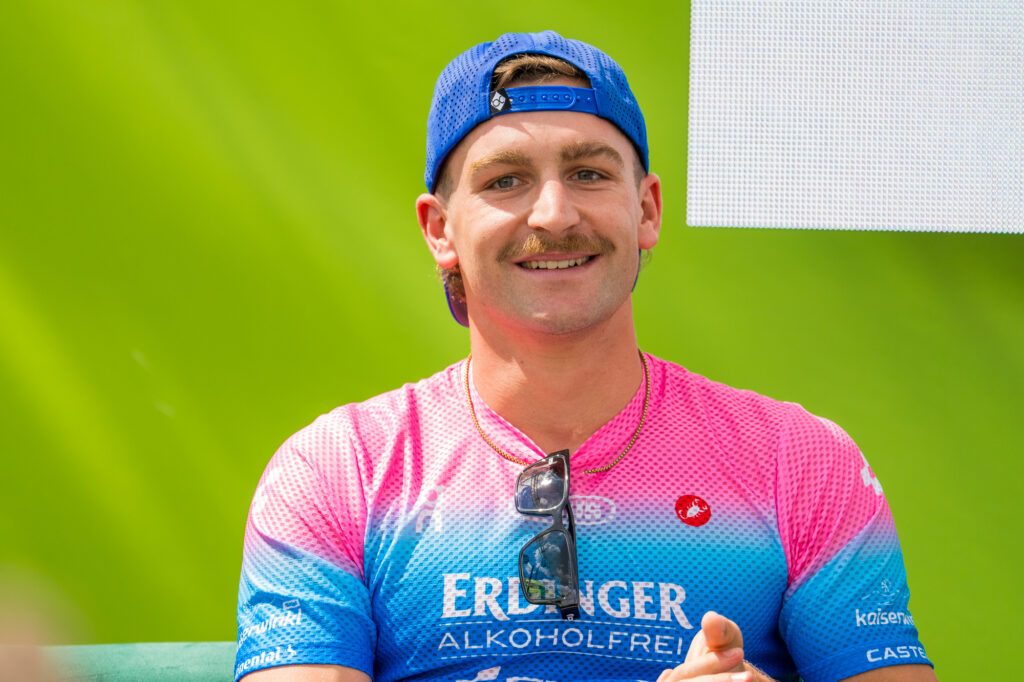
I don’t think so. He’s likely to lose time in the swim, and he’s not quite strong enough on the bike to do a Ditlev-style bridge.
Why Roth Keeps Delivering
The Ironman Pro Series has produced a lot of competitive racing across the calendar, but Roth still feels like it’s on another level. What is it about this event?
They do a lot of things differently from IRONMAN. IRONMAN sometimes comes across as the big American corporation running a huge number of races that are all “quite okay.” Roth has taken the opposite approach — this is one event, and the goal is to make that one event as good as it can possibly be.
Because of that focus, the Walchshöfer family, who run the event, can build a level of community rapport that a huge multinational organization simply isn’t set up to do. Drive around Roth race week and you’ll see signs everywhere thanking volunteers — that kind of local relationship is very hard for IRONMAN to replicate across its calendar. Compare that to Hamburg, with the metal debris incident on course, or Frankfurt, where the race was shortened amid fairly haphazard communication — that kind of thing is very hard to imagine happening here.
The expo is enormous, genuinely unlike anything else in the sport. They’re still a business, obviously, and they want to make money, but it comes with a different feel than when a large American corporation runs an event.
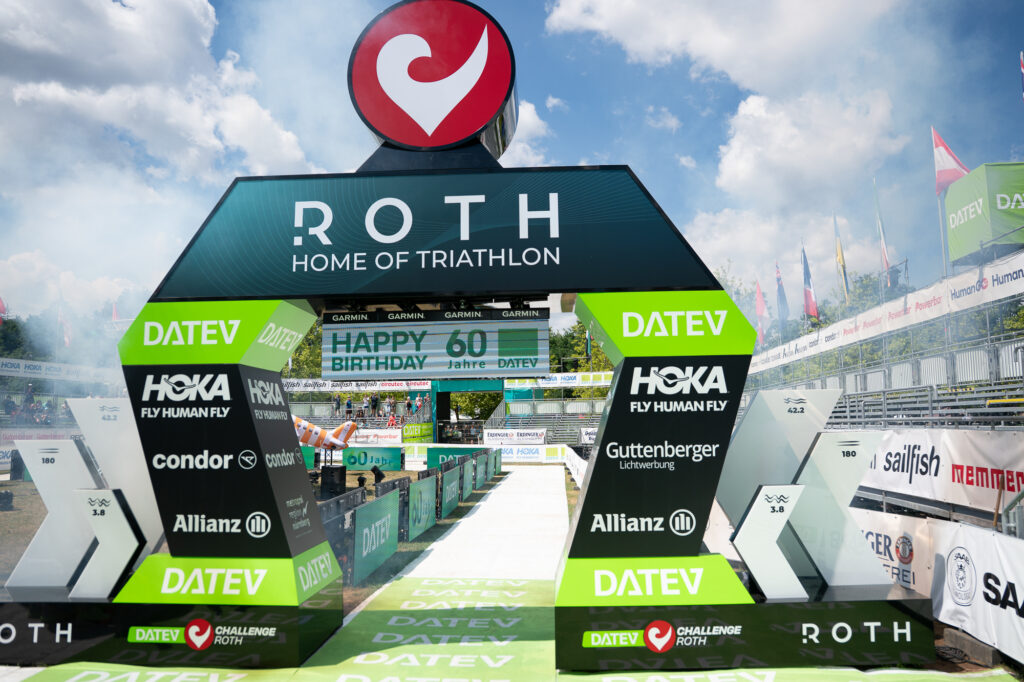
And then there’s the history. This is, in many ways, the sport’s Wimbledon. The first sub-8 happened here, the women’s world best has been set here multiple times (as has the men’s) and the crowds on the course are legendary.
Every triathlete should experience it once in their career. It’s a completely different atmosphere to Hamburg or Frankfurt, and the whole race week reflects that — you only really understand it once you’ve been here.

Start the discussion at forum.slowtwitch.com