
From Pressure Cooker to Perspective: Patrick Lange on the Change That Saved His Career
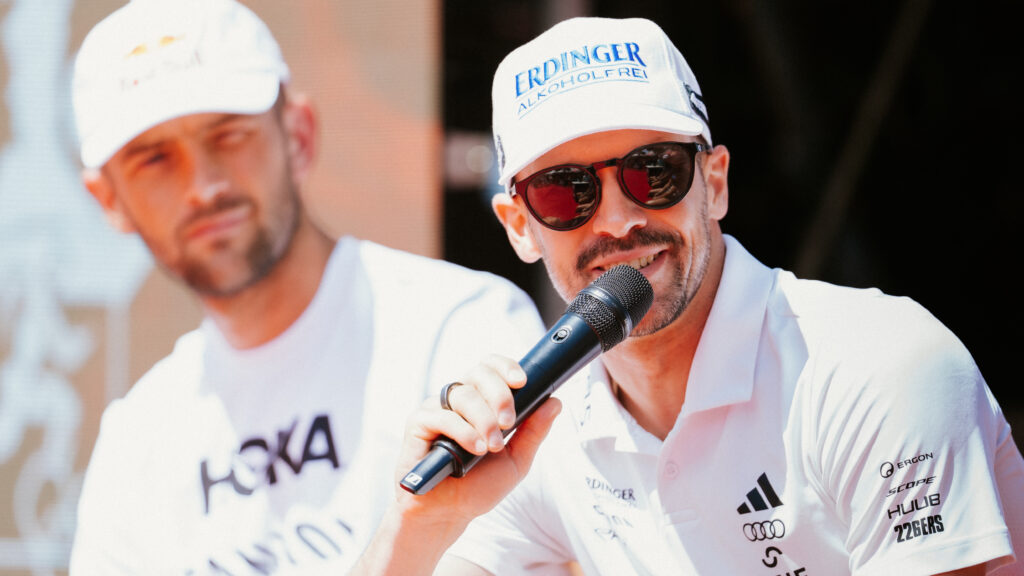
If you were at the IRONMAN Texas press conference in The Woodlands last month, the last thing you would have thought was that Patrick Lange was injured. The three-time Kona champ was in great spirits, adorned in a Texas Tech shirt and cracking jokes and, in what has become standard operating procedure at press conferences, asking some of his own questions of the other athletes in the panel.
A few days later, though, Lange would struggle right from the start of the race, exiting the water well back and eventually dropping out. Which is why we get to see him racing this weekend here in Lanzarote – a race that’s taken him “too long” to get to, he pointed out during yesterday’s press conference.
Lange is 39 and admits that he’s in the latter part of his career, but remains one of the most feared runners in the sport. While his resume is stacked with big wins – those three Kona titles, three IRONMAN North American wins (two in Texas and one in Tulsa) along with the Roth title in 2021 – he’s also struggled at times with the pressure of being a world champion, especially being a Kona champion from Germany, a country that worships it’s long-distance triathlon stars.
Lange, though, worked through those challenges and bounced back after a tough 2019 year to set the stage for his third Kona title, not to mention a runner-up finish in Nice the year before. I caught up with Lange after yesterday’s press conference to chat about the race here in Lanzarote, and that mindset change that has elevated him to one of the most successful IRONMAN athletes in history.
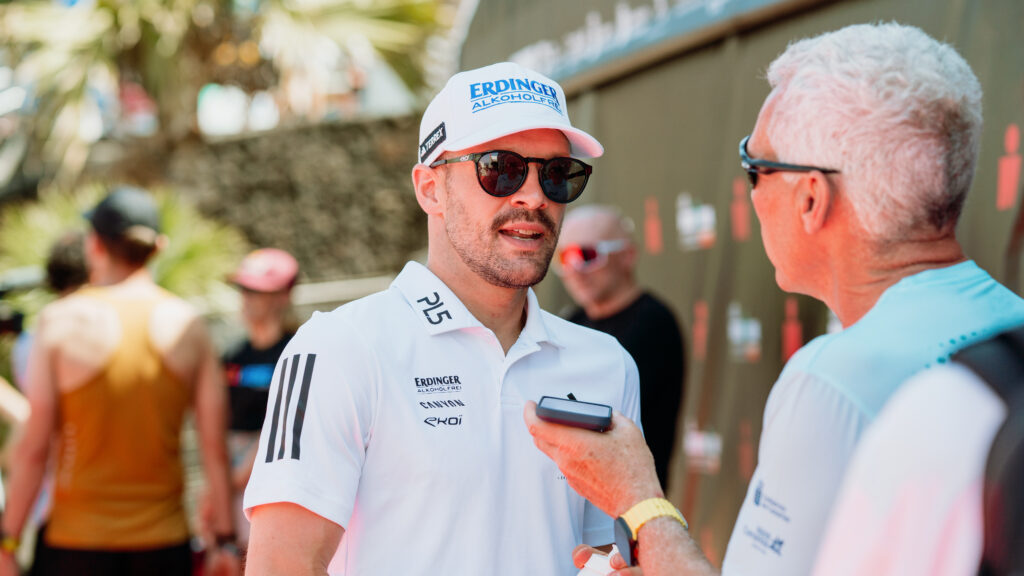
Q: Patrick, great to hear the back is feeling better after Texas. You just looked uncomfortable coming out of the water — I said to the person next to me, “Something’s wrong with Patrick.”
Yeah, definitely. It was such a good build-up, but the last five days it just spiraled downward. Normally it spirals upwards towards the race, but somehow this week it went the other way. It’s good to have recovered from that. The lower back has always been my weak spot, because my left leg is one and a half centimetres longer than my right — I broke my leg bone when I was a baby. So it’s always been that weak spot, but now it’s actually pretty good. I didn’t feel it for the last couple of days, so I’m really looking forward to this race. The main goal is to qualify for Kona here, get the slot, and then focus on Roth and Kona obviously.
Q: The great news for all of us is we get to see you race on one of the legendary courses. How challenging was it to make that switch mentally after what happened?
Definitely challenging, because you’re coming off a very bad race, a bad experience, and of course you’re questioning yourself — what went wrong. It was interesting for me to experience that it almost felt like I’d finished the race. From the muscle pain and the mental fatigue, I was so drained, and energy-wise, when I started swimming again, every muscle in my body was aching. A race always takes something out of you, even if you don’t finish it. To switch off and focus again — for the first two weeks it was very hard to get into a rhythm. But it helped once I finally made the decision: okay, I’ll go to Lanzarote. Once I had that box ticked in my head, training got better every day. From the moment we said as a team, “I want to do this race” — it’s a big opportunity to get the Kona slot, and a big opportunity to race a very cool course that should suit me — it was uphill from there. Now I feel good and I think it’s a great opportunity to go out there and fight for the slots.
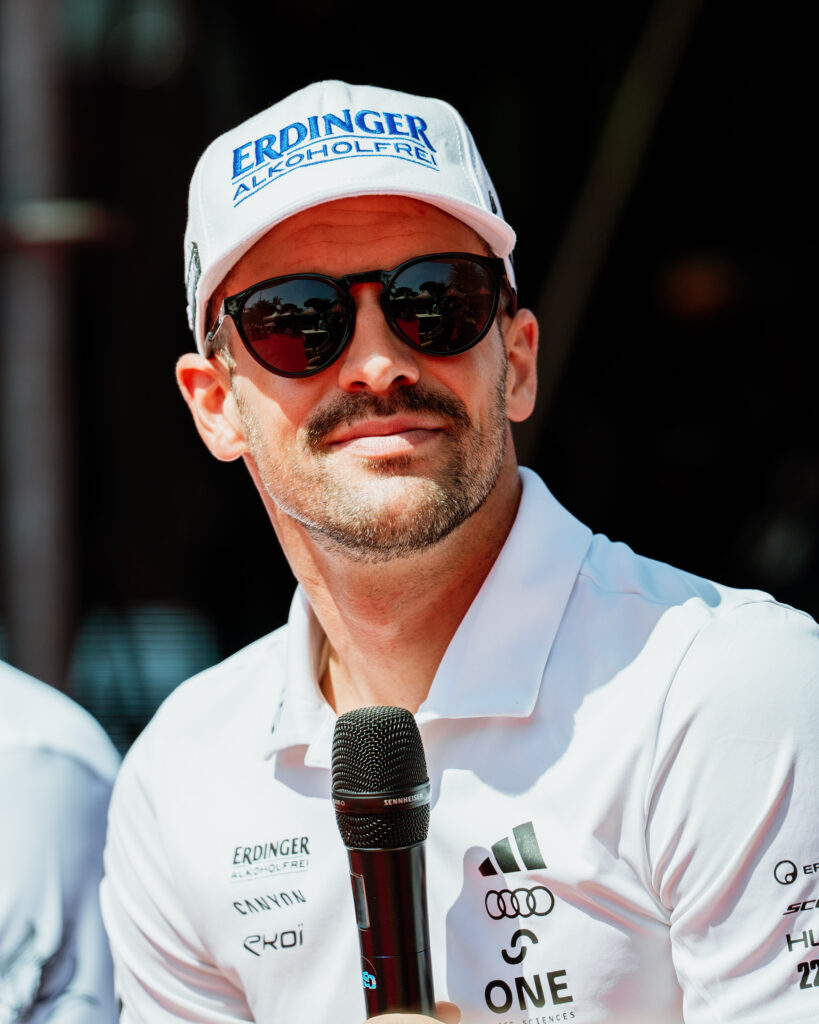
Q: I feel like you’re so much better now at absorbing those kinds of setbacks than in the pressure cooker of 2017, 2018, when you were world champion and carrying all of that. There seemed to be a mental switch somewhere — I could see it in 2023, when you were second in Nice and then won in Kona. Am I on the right track?
Yes, of course. I think it was end of 2021 — I decided to make a change because I was not happy with my mental state. The mind needs to be trained just as much as the body. When I decided to work on that, I got a different connection to the sport again, put things into perspective a little better, and it helped me enjoy it more and just be more myself. I also made some changes in the team, which helped a lot. It made me fall in love with the sport all over again, and I think that was a key moment — making that change and working on the mental side as well.



When did Lange have Geesmann as his coach - was it 2020 to mid-2024 with Lange’s third win in 2024 ? And before that (during the 2017 and 2018 wins)? Now his coach is Reszel.
I believe he worked with Faris Al Sultan until 2019, then started working with Geesman - as you note, he moved on in 2024 (I believe it was August, with the announcement that he was working with Reszel coming in September.)
I believe he started to work with a sport psychologist in 2021.