
Gear to Help You Reach New Bests at Your Next Triathlon
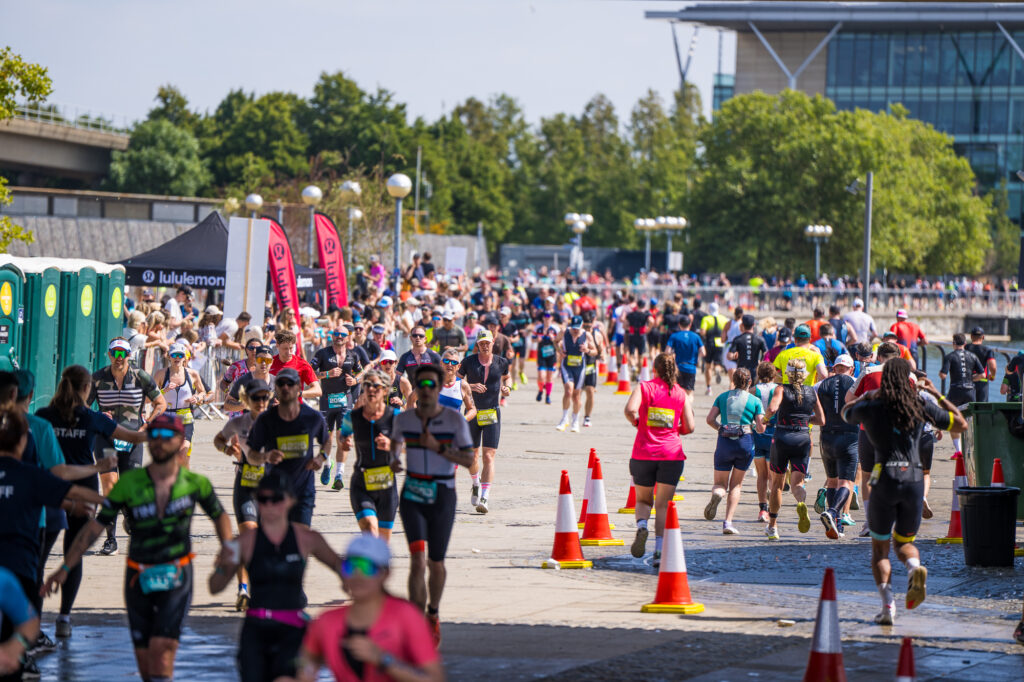
As a triathlete, you dedicate multiple hours every week to training. You swim, bike, run and hit the gym all with the goal of getting faster ahead of your next race. Whether you’re brand new to triathlon or you’ve been racing for a while, there are pieces of gear that can add to your speed, cutting time out of transitions, making you more aerodynamic and turning you into a faster racer in general. Some of this gear is cheap and affordable, while other equipment can get on the pricey side, but no matter your budget, there are things available on the market that you can access to give you your fastest race to date.
Beginner Gear for Faster Racing
If you’re new to triathlon this year, you might only have the basics when it comes to equipment. You’ve got your goggles, your bike, helmet and your running shoes, and while these are the bare minimum requirements for racing, there are some upgrades or additions for your arsenal of gear to help you be faster without any extra effort on race day.
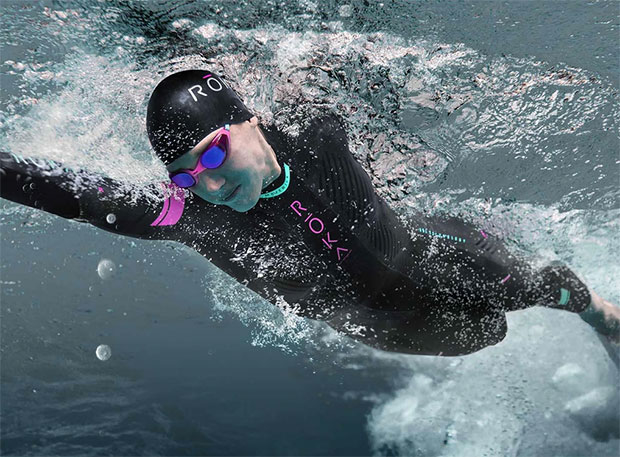
Starting with the swim, if you can get your hands on a wetsuit, this will save you a ton of time. Wetsuits can be expensive, so it’s fair if you don’t want to invest in one before knowing for sure if you’ll continue in the sport after your first race. However, like any triathlon gear, there is a range of pricing for wetsuits. You can get a cheap (but still effective) wetsuit for around $150.
This will help with buoyancy, warmth and speed in the open water. Depending on how long your race is, you can save anywhere from around 30 seconds (for a sprint) to more than a minute (for Olympic-distance racing) or even multiple minutes (long-course events) in the water thanks to a wetsuit. Plus, thanks to the added buoyancy and less time spent swimming, you will exit the water fresher than you would have without a wetsuit, so you’ll have more energy to spend on the bike and run, ultimately completing those legs faster, too.
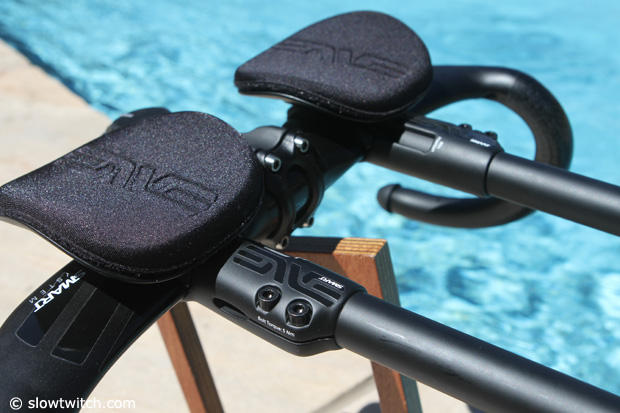
The bike ride in triathlon is all about aerodynamics. If you’re not aero, you will go slower and have to work harder. A quick and relatively cheap way to reduce drag and be more aero is to use clip-on aero bars. These can get expensive, but you can also find a set for around, or under, $100. They will cut drag by anywhere from 10 to 15 percent, helping you get from T1 to T2 as quickly as possible.
Another consideration for the bike is to add cycling shoes and clip-in pedals if you don’t already have them. This setup can be daunting for new cyclists and triathletes (everyone in the sport has their own story of falling when at a dead stop because they couldn’t unclip their feet from their pedals), but once you get the hang of it, they will help you go so much faster. Regular pedals are only good for pushing, meaning you’re only utilizing 50 percent of each pedal stroke. When your feet are clipped into the pedals, you can both push down and pull up as you ride, using the full rotation to your advantage and firing you along the road faster than ever before.
When it comes to the run, elastic laces will save you a lot of time. These laces are some of the cheapest pieces of equipment you will ever buy for the sport, but based on a seconds-per-dollar ratio, they might save you the most time of anything else. They’re super simple to use: slide your foot into your shoe in T2, pull the laces tight and you’re good to go. This will take seconds compared to however long it takes you to tie both shoes.
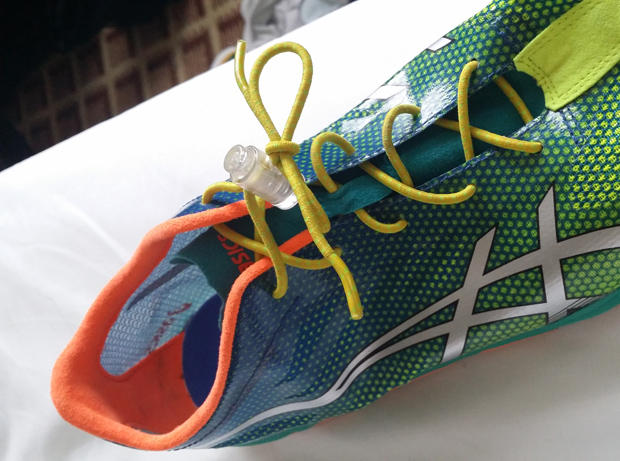
Now, you might be thinking, “I’ve been tying my shoes my whole life, I don’t need help with that.” It’s easy to say now, but tying your shoes can be a tall order when you’re tired and rushing in transition on race day. Plus, regular laces can come undone, whereas elastic laces stay tight and secure until you loosen them yourself.
Time-Shaving Gear for Returning Triathletes
If you’re not a beginner, but you’re still relatively new to triathlon, you might have the above pieces of gear. There are plenty of upgrades you can make to your list of equipment that will help you set personal bests on race day, and although they might be a bit more expensive than the gear we suggested for beginners, they don’t have to break your bank.
Once again starting with the swim, you’ll want to look at your wetsuit. Maybe you spent a season or two racing in one of those cheaper wetsuits, so it could be time to get a new one. That doesn’t mean you have to spend hundreds and hundreds of dollars. There are many affordable options out there that still feature very quick designs. The better the wetsuit, the faster you’ll go on race day, so if you have a bit of a budget to work with and you want to be quicker than you were last year, this might be the right option for you.
Perhaps you’re happy with your road bike and don’t want to dive all-in on a triathlon bike just yet. You can still make your ride faster with a few upgrades. First, look at your wheels. Since you’re newer to the sport, you are likely riding on the wheels that came with your bike. There is nothing wrong with that, but there are certainly faster options available. You can get lightweight carbon wheels with an aerodynamic design that will help you slice through the air and wind better than before, making you more efficient on the race course and getting you through the bike faster than you did last year.
Another addition for the bike leg of the race can be an aero helmet. This is another game-changer when it comes to aerodynamics, and it can save you seconds up to minutes depending on how far you’re riding. You won’t want to wear this every day in training, but it will certainly come in handy on race days.
Finally on the bike, you might want to get new clip-on aero bars. As mentioned above, you can get affordable bars that will do the job, but the more you’re willing to spend, the lighter, more aero and more comfortable they will be.
For the run, carbon-plated shoes are a great way to save time and energy. These can be pricey ($200 to $300 or more), but there is a reason that every running shoe brand has at least one model with a carbon plate in its sole: they work. Every elite runner who competes on the road is using carbon-plated shoes, so, if you want easy gains on the run, this may be the right choice for you.