
Get Free Speed at Your Next Race with These Triathlon Tips
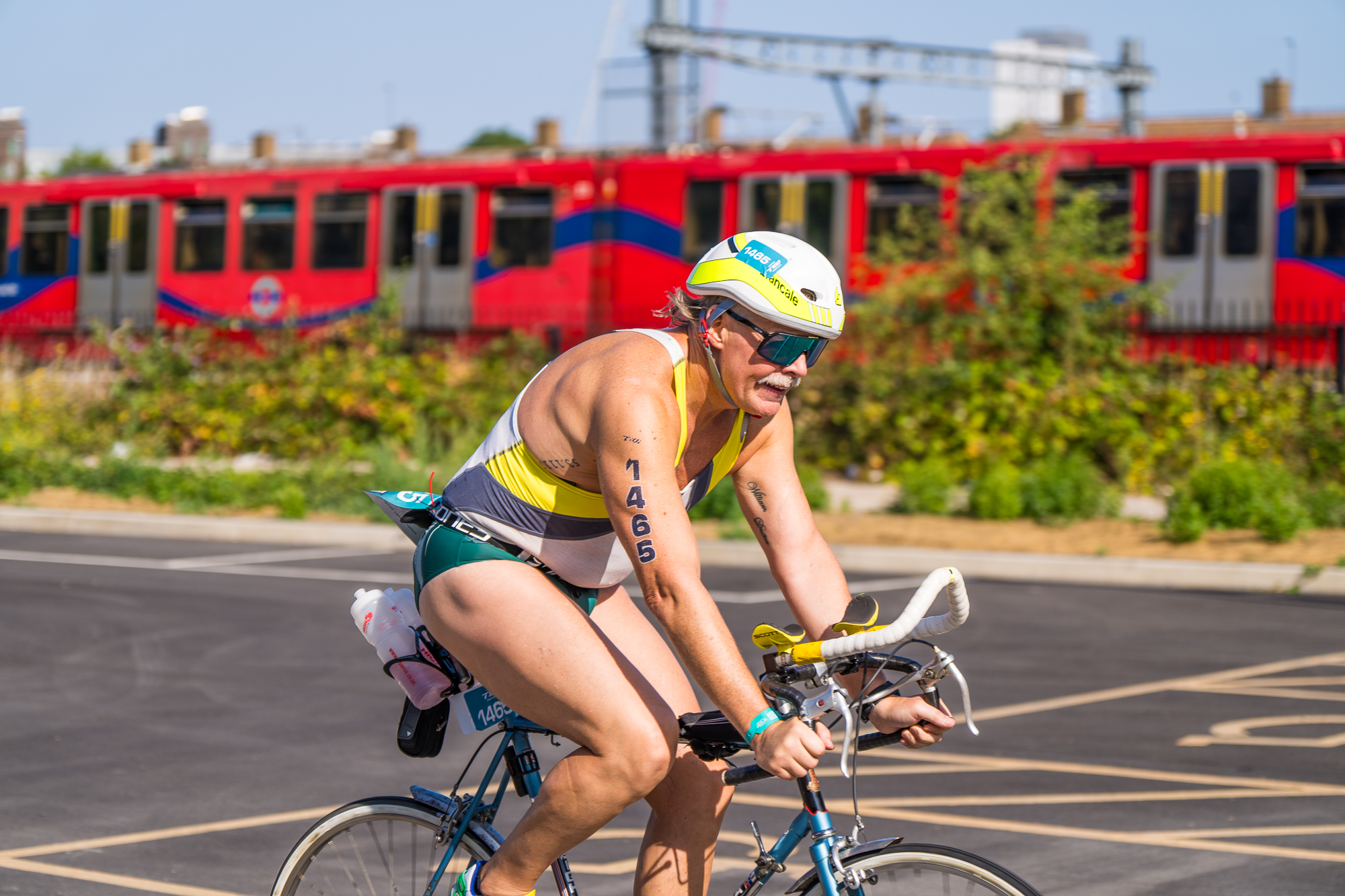
You spend so much time swimming, biking, running and working out in the gym, all with the goal of getting faster. That is, of course, the best way to improve as a triathlete, but there are other things that you can do outside of training that will give you free speed on race day. Here are a few tricks that will improve your overall time on race day without having to put in any more effort.
Tearing Off Your Wetsuit
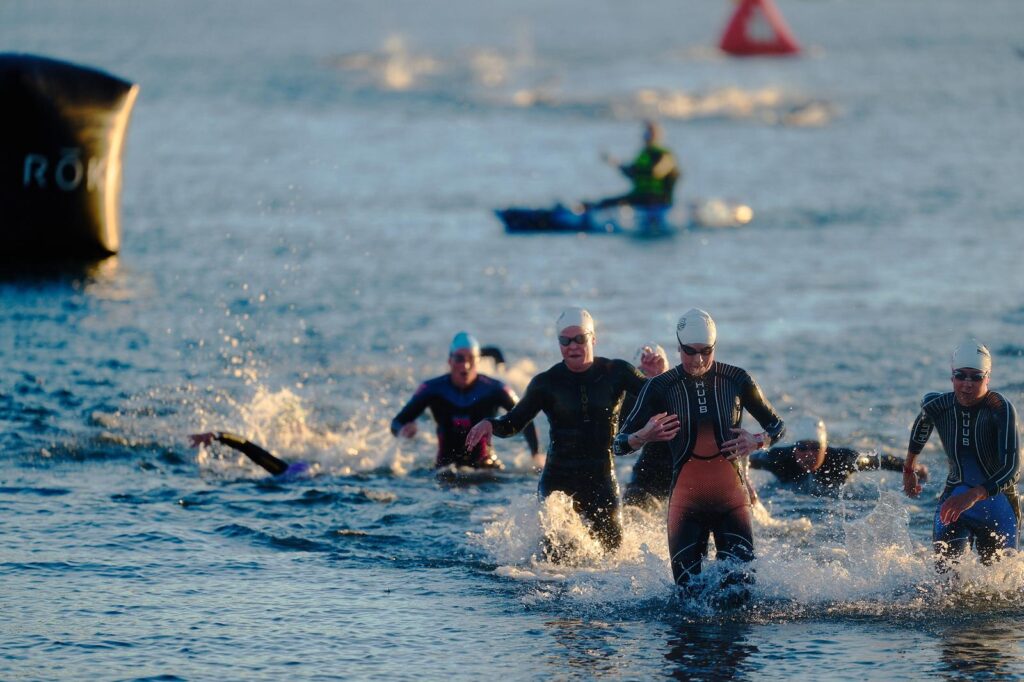
For most triathletes, the worst part of the day is the swim. Getting out of the water is a relief for many, but the next step is not the bike — it’s ripping off your wetsuit. This may seem like a silly thing to practice, but getting out of a wetsuit when you’re on the clock in a race situation can be hard. You’re pumped full of adrenaline as you enter transition, your hands may be cold from the last few minutes you spent in the water, and suddenly slipping out of your wetsuit becomes a herculean task.
It’s worth dedicating some time in training to practicing this race day scenario. It will help even if you only do it once at the end of every open water training swim. Run out of the water, locate the zipper tie at the back, and tear the suit off. The toughest spots are around your wrists and ankles. The key here is to take a breath, calm yourself and ease your way out of the sleeves and legs. When you try to force it, you might feel stuck, and soon enough a 60-second transition turns into minutes.
Mount and Dismount
Some triathletes will tell you that you have to have your shoes clipped into your pedals in the transition area and that you need to hop onto your bike and slip your feet in on the ride. You certainly can do that, but just because it’s the fastest method used by the pros doesn’t mean it will be fastest for you.
Practice your transition and your mounting and dismounting at home before your races. Get used to hurrying to mount your bike and quickly dismounting. Maybe you will use the pre-clipped method, just as you might take your feet out of your shoes before dismounting at T2. Whatever the case, make sure you practice these maneuvers so you’re as comfortable as possible on race day and not losing any time on silly mistakes.
Practice Your Nutrition
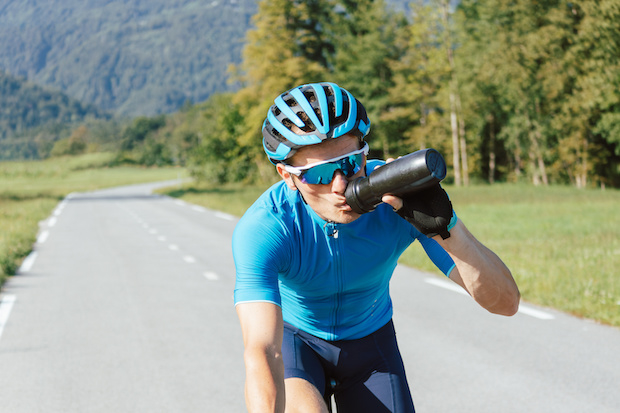
You likely know that you need to have a solid nutrition plan for races, but figuring out what you’ll eat and drink on the big day is just the first step. You need to practice with the entire menu. Wake up and eat your pre-race meal, giving yourself the same amount of time to digest that you would before a race. During your training that day, eat and drink the same things you’ll take on the bike during your races. Go for runs with whatever gels you plan to eat. Don’t leave anything untested, because doing that could end up with you cramping, feeling sick, taking unplanned bathroom breaks or worse.
Shave Your Legs
You’ve heard this before — triathletes love shaving their legs. Do you know why? It saves so much time on the bike. You can save more than a minute during your 25-mile ride in an Olympic triathlon, more than two minutes in a half-distance race and upwards of five minutes in a full-distance affair. That is a lot of time you’re leaving on the table if you decide to show up to your race unshaven.
Know the Rules
It is every athlete’s duty to know the race rules before the starting gun goes off. You need to know where the mount and dismount line is, you should find out how far you have to be behind your fellow athletes on the bike course, you have to know when you’re allowed to take your helmet off in T2 (hint: once you’ve racked your bike). If you don’t know the rules, you’ll make silly mistakes that can lead to you getting penalties, and penalties will cost you more time than anything else on this list.
Get to Know Transition
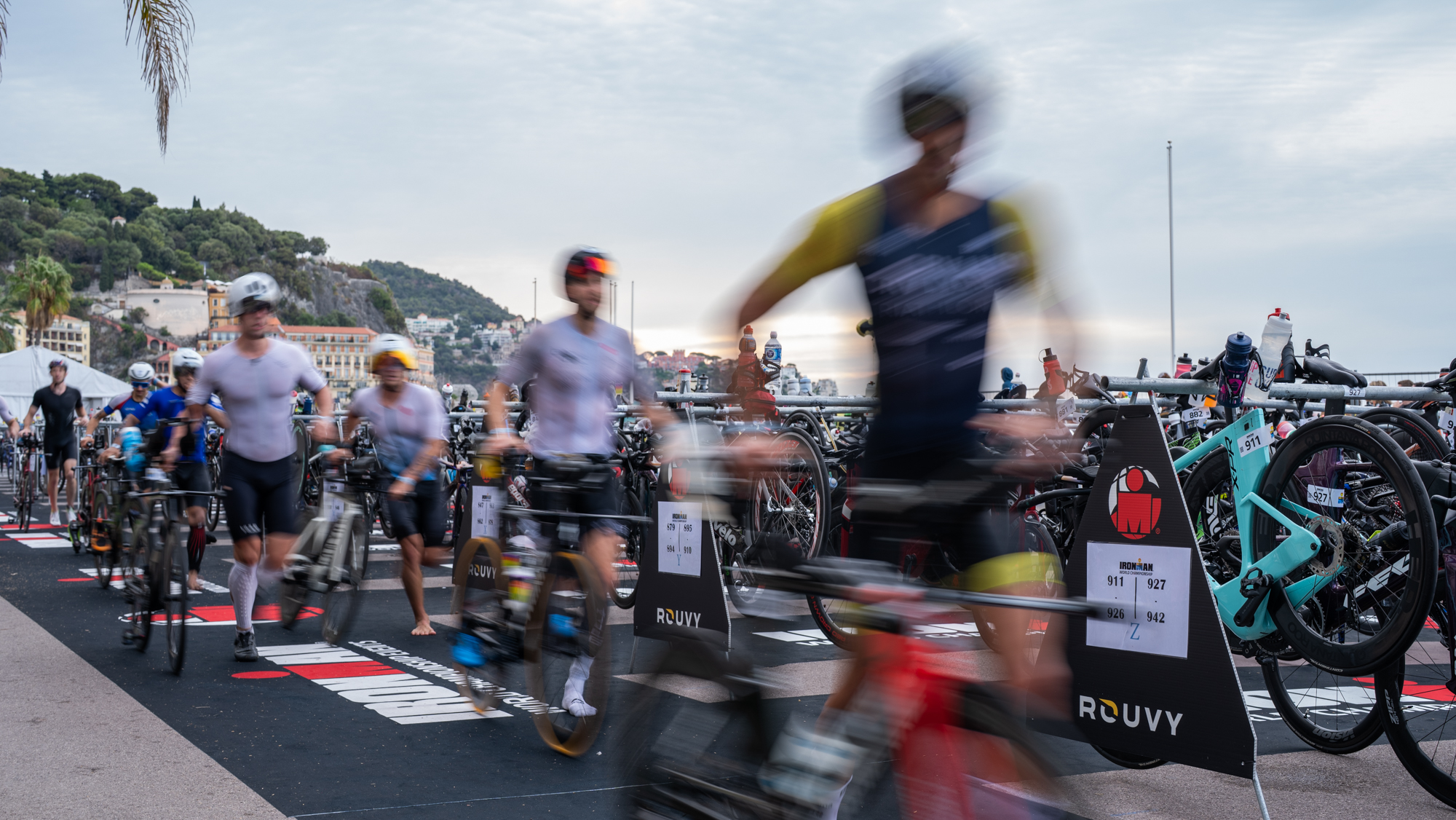
Depending on the race, the transition zone could be rather small or it could be massive. No matter the size, take a lap of it before your race so you know exactly where you need to go at each stage. Find the entrance to T1 from the swim, walk the path from there to your bike, then proceed to the bike exit. Take a walk back from there back to your rack so you know where to go in T2.
You don’t want to lose valuable seconds (or even minutes if the race is a big one) as you try to remember where you racked your bike. Here’s an extra tip: bring a bright towel to put in your transition section. This will help you locate your spot much quicker and help you save time in T1 and T2.
Get Used to Riding Aero
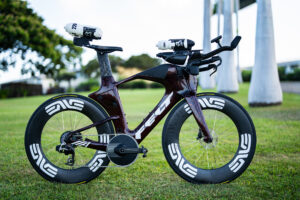
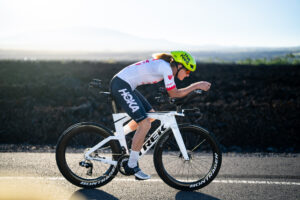
So many triathletes spend thousands and thousands of dollars on top-of-the-line bikes that weigh next to nothing and slice through the air like a Formula One car, but then they lose so much time by sitting up and out of the aero bars. You can save so much time by taking advantage of your bike’s aero profile. Even if you don’t have a particularly aerodynamic bike, you can still get in an aero position.
The thing about aero positions is that they aren’t always the most comfortable. Firstly, find the most comfortable positioning with a proper bike fit. Then, once your fit is dialled in, practice riding in that position so you’re used to holding it for however long you’ll need to on race day. It’s OK to sit up at times to stretch your back, but for the most part, you want to stay down so you can get from T1 to T2 as quickly and efficiently as possible.




also: train.