
Mapping Out Race Morning for Your Next Triathlon
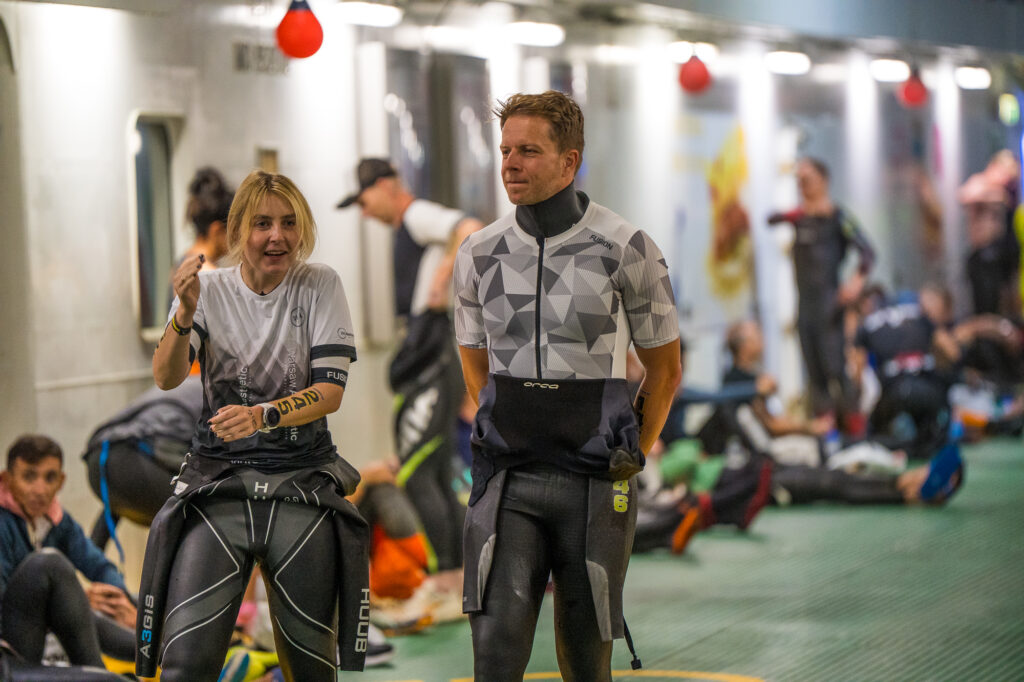
Everyone talks about training and and racing, but something that can easily be overlooked is the morning of a triathlon. What you do in the hours between waking up and the starting gun can have a huge impact on your day. That’s why it’s so important to put at least a bit of thought into your race morning plans before race morning actually arrives. Here is a step-by-step guide to help you figure out exactly what you should do after your alarm rings on the big day.
Get Up
First thing’s first: you need to wake up with plenty of time to get to the race. If you’re someone who likes to hit the snooze button, make sure you factor that into your morning plans. A great way to save time (and perhaps give yourself another snooze cycle worth or rest) is to have everything ready the night before. Have your bag packed and lay your clothes out so you don’t have to spend any time or energy making sure you have everything you need for the race.
Eat Breakfast
A lot of people skip breakfast most days. If that’s something you do, you have to make a change on race day. It is imperative that you eat well the morning of your race. If you don’t, you may feel fine for the swim and maybe a bit of the bike, but by the time you hit the run, you’ll be drained — even if you’ve fuelled well during the race.
Race day nutrition is something you need to practice, so you should have a standard breakfast set by the time your triathlon rolls around. You don’t need to practice it every day, but every now and then you should treat an early-morning workout like it’s a race so that you can see how much you should eat to perform at your best and what foods work and which ones don’t. You don’t want to wake up on race morning without a clue of what you should be eating and then either take in too little (which will lead to you bonking or underperforming) or too much (which could result in cramps or stomach issues on the race course).

Arrive at the Race
You should aim to get to the race site at least 90 minutes before it starts. You want to give yourself plenty of time for hiccups, whether there are delays on your way or long lines as people sign in, get their bibs, get body-marking and file into the transition zone.
A tip from someone who has had many early-morning drives to get to races one or two hours away: don’t underestimate how much time you’ll need to get to a race that’s nearby. It’s a no-brainer to budget a lot of time when travelling an hour or more to a race, but I have found that the races where I arrived the closest to the starting gun were the ones where I was staying 10 minutes from the venue.
Even if you’re only minutes away, make a plan of when you want to leave your accommodation and when you want to arrive at the race. You don’t want to be rushing around and stressing to get ready before your wave starts the swim.
Rack Your Bike
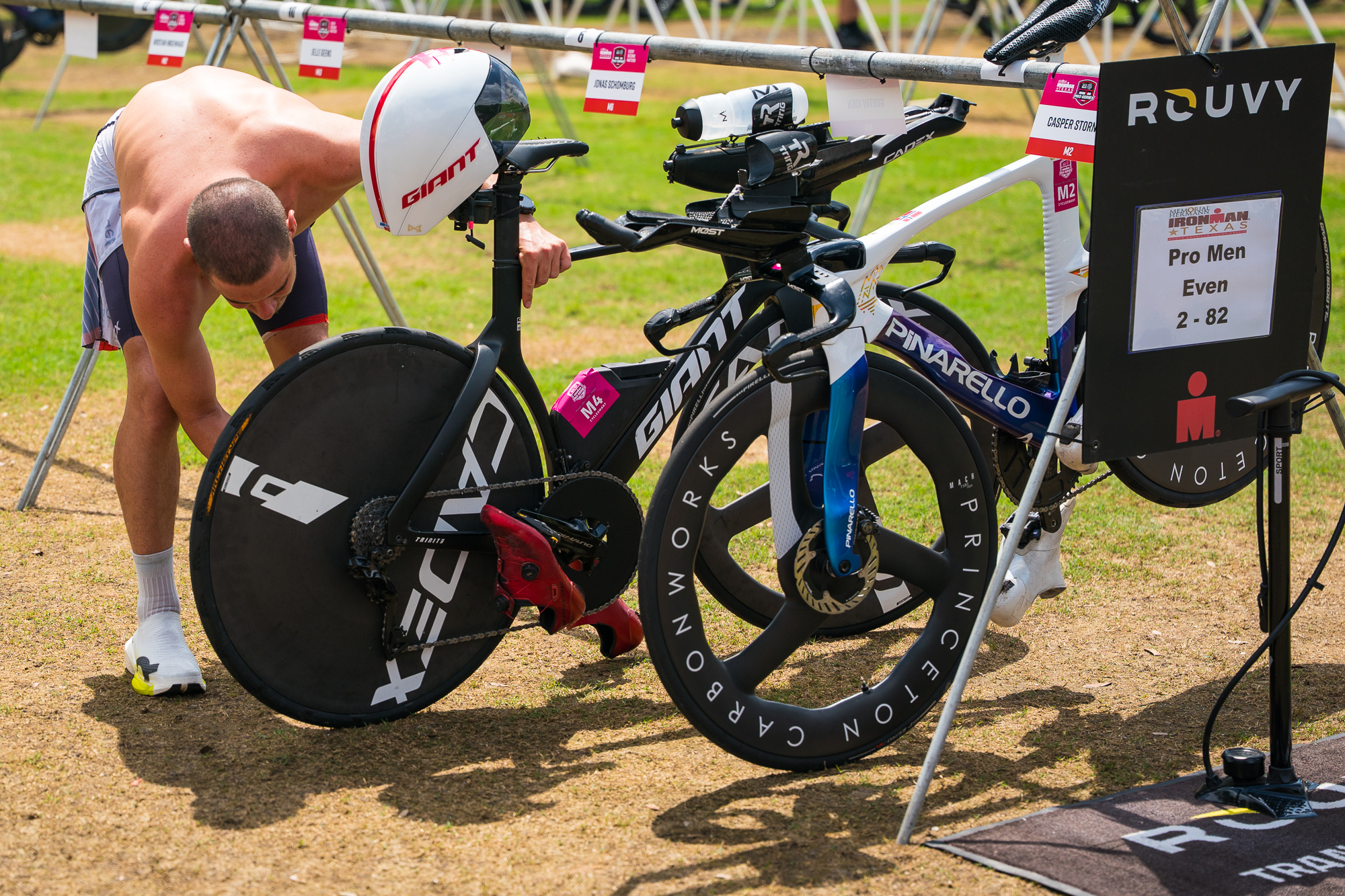
It’s time to take your bike into the transition zone and get everything set up for the race. (We’re assuming here that this isn’t a bigger race that requires racking your bike the night before.) Before you enter the transition zone, it’s worth taking your bike for even just a 30-second spin to make sure everything is working and to change gears so things are just how you want them when you hop on and start the second leg of the race. After that, you can head to transition.
Depending on the size of the race, you may have an assigned area for your bike or you may be free to place it wherever you desire. Once you have racked your bike, you will want to set everything up beneath it. It’s good to bring a bright or unique towel so your spot is easy to find when you come into the transition zone during the race. You may think you’ll remember exactly where you parked it, but in the heat of the race, it’s easy to forget. The towel is a simple trick to catch your eye so you know exactly where to run in T1 and T2.
On that towel, you can place everything you need for the race. To make sure you don’t miss anything, go through the race mentally, checking off each piece of gear you’ll need at the various stages. What do you need for the swim? Goggles, cap, wetsuit. What about the bike? Shoes, helmet, bib, bottles, gels or bars. The run? Shoes, more nutrition, maybe a hydration belt, maybe sunglasses and a hat. Go through this checklist as you picture yourself in the race. This will help you ensure that you’re not missing anything.
Stay Hydrated
It’s easy to forget to drink as you prepare for the race, but you need to try to remember to sip periodically as you rack your bike and prep your transition area. There are almost always water stations in the transition zone, so be sure to take advantage of these. While you’re at it, make sure to fill the bottles you’ll use in the race on your bike and if you need any for the run.
Fuel Up
Since you’re arriving at least 90 minutes before the start of the race, you may need to make sure you continue to fuel. Just like with breakfast, this is something you need to practice in training. Whether you prefer a banana, gels, bars or whatever else, be sure to snack on something before the race if you feel you need it. How much you need to consume is a personal preference, which is why it’s so important to figure out before race day.
Use the Bathroom
You may not feel the need to go to the bathroom, but just try to go before you put your wetsuit on. You do not want to be ready to race (or in the middle of the race) and realize that you should’ve hit the porta-potties earlier. Once your transition area is all ready to go, head over to the bathroom line (it’s usually quite long, so this will give you time to chill out and get in the zone mentally) and, as your parents used to tell you on road trips, “at least try to go.”
Run
Yes, the run is the last thing you’ll do in the race, but it’s worth doing a bit of a jog before suiting up for the swim. Run at a very easy pace for around five minutes, then do some drills and a few strides. This will loosen you up and get your body ready for the race, just like you do before every hard run workout.
Prep for the Swim
You want to have your wetsuit on at least 10 to 15 minutes before the swim. That doesn’t mean to start putting it on 10 to 15 minutes before — it should already be on at that point. Wetsuits can be annoying to squeeze into on a good day, so you don’t want to leave yourself with too little time before the start of the race as you fight to get it fitting perfectly.
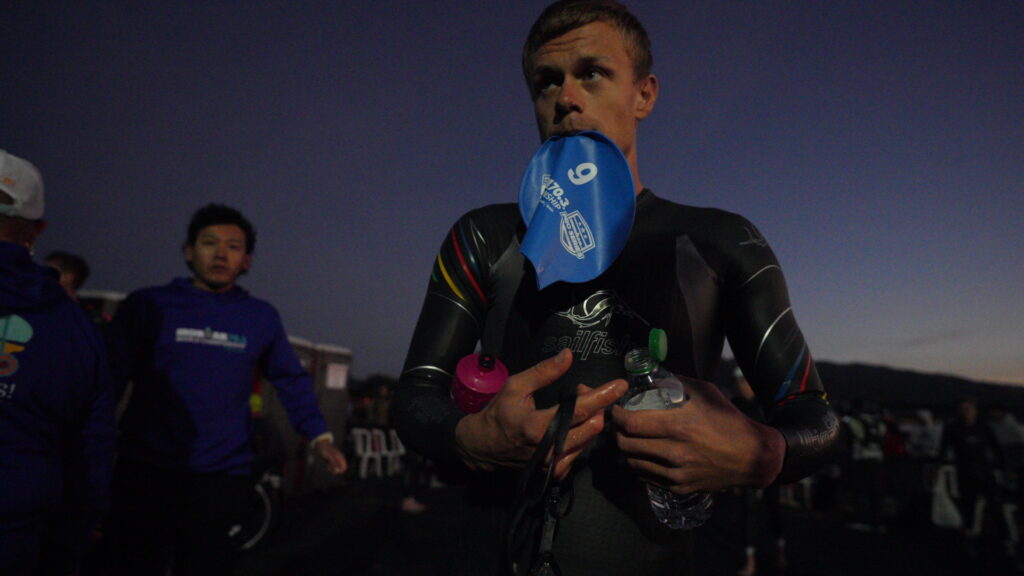
Once it’s on, be sure to jump into the water so you can acclimate to the temperature and get a few minutes of swimming in. You want to make sure your upper body (specifically your shoulders) are warmed up for the race. It is not a good idea to jump into cold water and going from zero to 100 without having warmed up your shoulders. Do some light swimming and toss in some hard stints for just a few seconds at a time.
Time to Race
Once you’re all warmed up, it’s time to position yourself at the start. Find your wave and figure out where you would like to stand. Maybe you’re confident in your swimming abilities and want to go front and centre, or perhaps you want to be off to the side where it’s less busy. Whatever your preference, stake your claim to the territory and get ready to swim, bike and run.

Start the discussion at forum.slowtwitch.com