


Swimming Sucks? 6 Simple Tricks to Get Motivated Again
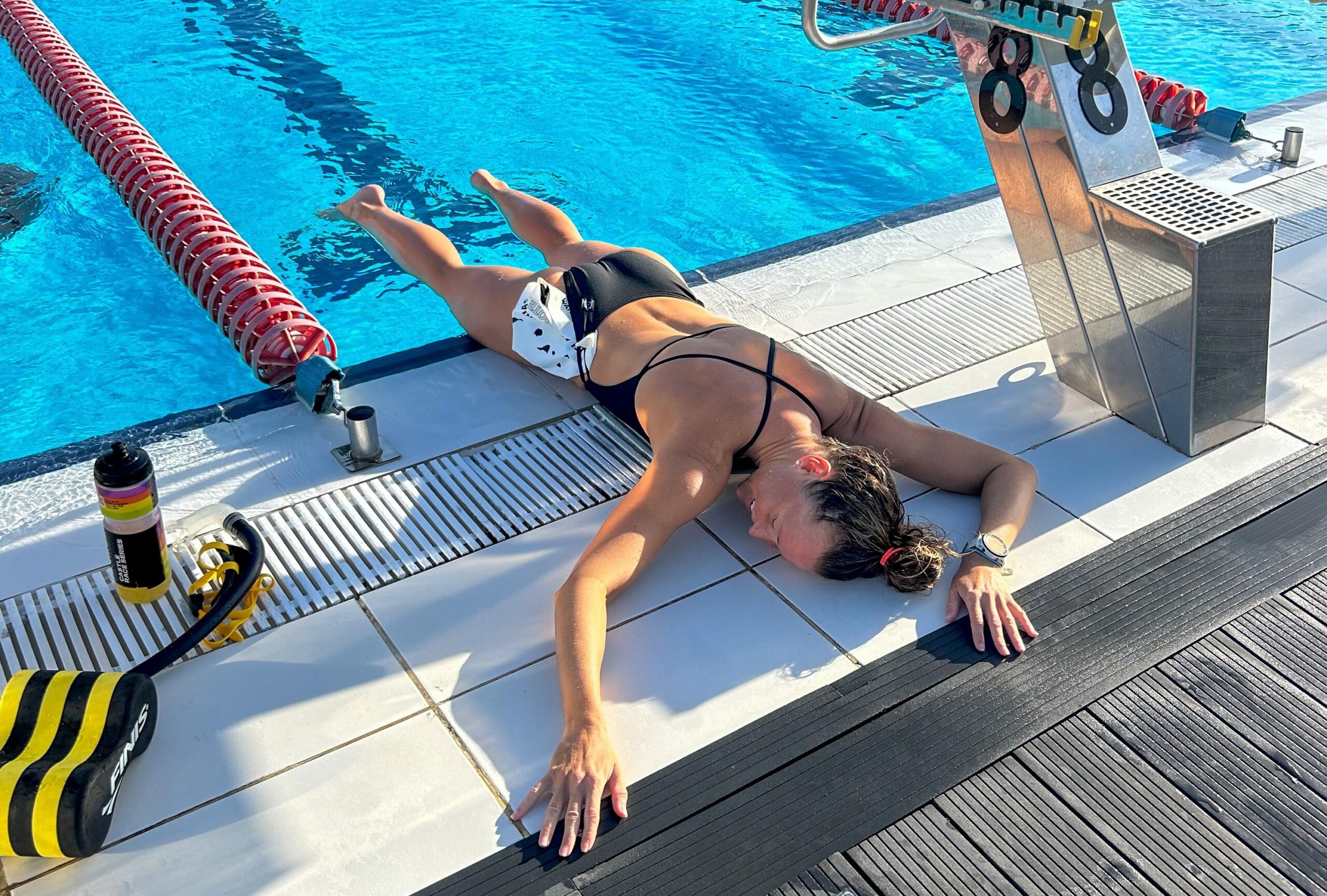
The swim struggle is all too real for so many triathletes. Unfortunately, there is no short cut to being a better swimmer. It comes down to practice, practice, practice–and patience. Arguably, having the patience required, especially if you’re learning as an adult, is more difficult than putting in the miles. So, while you’re in the hard yards of learning, when it feels like nothing will ever change, and you’ll death-stare the next person who tells you to “trust the process,” here are a few actionable ways to recalibrate your body and mind when swimming just sucks.
Swim at A Different Time
Try swimming at a different time. If you’re always an early bird, try swimming later in the day. If you swim in the afternoon or evening, try hitting the pool early. If you’re a really confident cyclist, it might help to swim after you have a good bike workout in the books. The idea here is not just to have a change of scenery, but to change the way your body (and subsequently your mind) feels in the water. It sounds simple, but feeling better going into the water means feeling better throughout and after your swim.
Prepare Properly
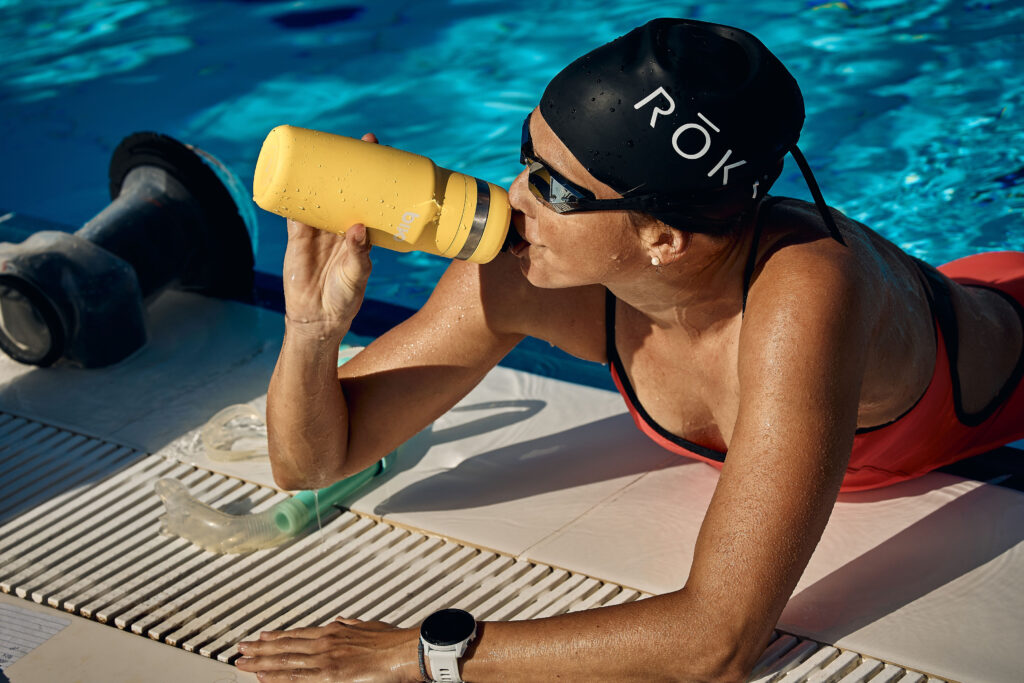
Likewise, hitting the water under-fuelled, or not warmed up, is not a great way to start a swim–especially if you’re already feeling mentally frustrated with swim training. Ensure you’re coming in fueled and have on-deck nutrition. Do a dry land warm up to physically prepare, and check in with what your swim set is and how you will execute it. Try doing the full Phelps and throw on your headphones with some pump-up music. Again, starting on the right note will help set the tone for the rest of your session.
Try Something New
Thomas Jefferson said: “If you want something you never had, you must be willing to do something you have never done.” It’s a cliche for a reason. Just try something different: join a group, swim with friends, teach someone newer than you, try masters pool racing, challenge yourself to learn a different stroke, write down what did well after each session, watch videos of swimmers or how-to reels on social media, do an open water/swim-run/aquathlon race, take an artistic swimming class, add swim-specific work to your gym routine, try visualization, affirmations and positive self-talk or get a video analysis. A new stimulus will add good energy and a new perspective–and you can do it whenever you need a boost.
Is Data Your Friend or Foe?
Your mind is really powerful and it can convince you that you’re slower or faster, confuse good feelings and bad times, and a twist reality in a whole bunch of other ways. Decide if data is your friend or foe. Watch the clock and write down your times so you can track progress and have proof of actual times. Likewise, if you’re too caught up watching the clock, focus on good feelings and write down what you felt you did well at the end of your swim. Don’t be afraid to both strategies throughout the training block, depending on how you feel on any given day.
Don’t Move the Goal Posts
Setting realistic short and long term goals is a great idea to monitor progress and keep motivation while you’re improving–nothing new there. But a crucial part of that process, especially during the long haul of swimming improvement, is not to move the goal posts once you have scored. If your goal was to swim a 1:45 100 m and you did it, enjoy that win, don’t immediately compare it to your mates who easily knock out 1:30s. If you hit your race time goal, but still didn’t make the group, it doesn’t change the fact that you met your goal. Rather than looking around at everyone else, look back at where you have come from and use that progress as motivation to keep pushing forward.
Say It Out Loud
Just saying “swimming sucks” out loud can lift the weight of the slog. You might even love swimming, but that doesn’t mean you’ll like the grind every day or avoid frustration when it feels like nothing is changing. Talk to your swim buddies, they’ve been there; mention it to a coach, they’ve seen it all; or speak to a sports psychologist because they have tools and perspective. Even one chat with a psychologist, or peer, can give you validation, camaraderie, language, energy and enough perspective to shift your thinking. You too can make it to the other side.




Start the discussion at forum.slowtwitch.com