
The Psychology of Signing Up Before You’re Ready
When you talk about triathlon, many people will say they would “love to” do a race one day, but something is stopping them. Maybe it’s a fear of the unknown, or perhaps the assumption that they won’t have time to train, or it could be that they don’t know where to start when it comes to workouts, gear and racing. The thing is, most people probably won’t ever be ready to start in triathlon. Instead, they simply need to dive in head first and commit to racing, as this will give them a carrot to chase and something to motivate them week in and week out in training.
Signing Up for Your First Race
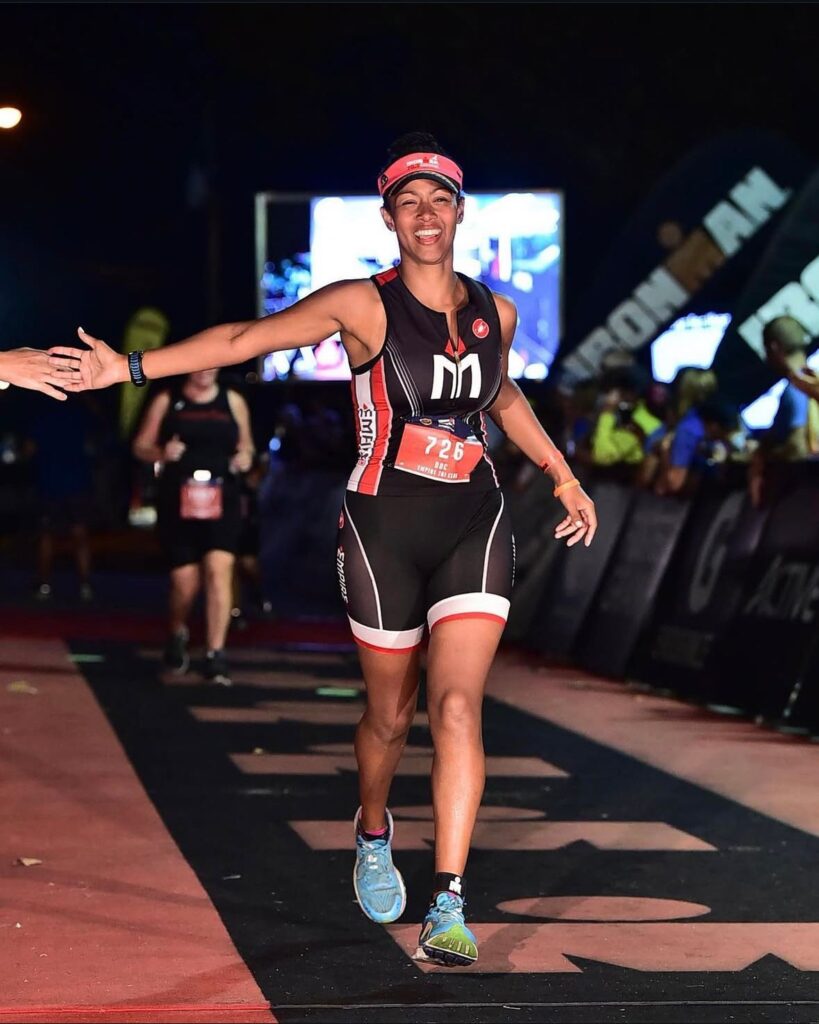
Slowtwitch spoke with Empire Tri Club coach Doc Halliday Golden to discuss the benefits of signing up for a race before you think you’re ready to swim, bike and run it. Golden has been a coach at the New York City-based club for 10 years, and she says her triathlon journey started this way, with her jumping into the sport pretty much blind.
“I worked at a gym and I had been a recreational athlete,” she says. “One of the guys that I was working with was a triathlon coach. He was always speaking about his triathletes like they were the bees knees, and I was like, ‘Well, I want to do that, too.'”
Golden signed up for a race with no real knowledge of the sport. This was intimidating, she says, but those nerves prompted her to take action.
“Because I had signed up and paid money and set a date, I found a community and started training,” she says. “It became real when I signed up.”
Golden notes that athletes probably shouldn’t sign up for a full IRONMAN if they have never even done a sprint triathlon, but she says that registering for a smaller event with no experience in the sport can be “very fruitful” and “a huge motivator” to train.
“Signing up is a commitment to yourself and to the world,” she says.
Finding a Community
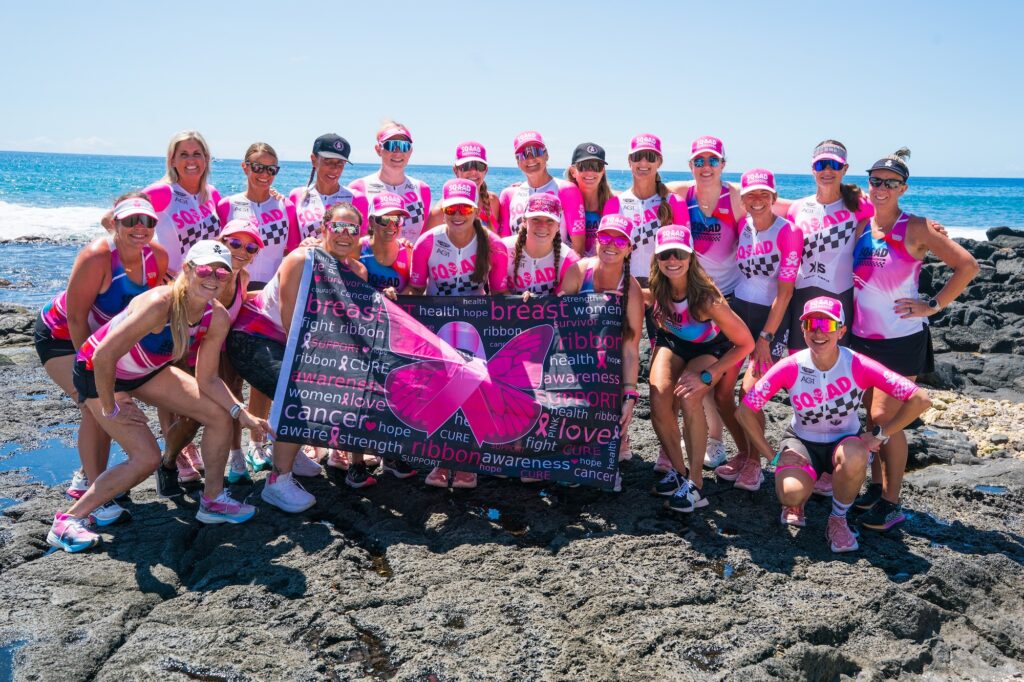
As Golden said, one of the first things she did after signing up for a race was find a community of likeminded people.
“That looks different in different places,” she says. “If there is a physical tri club in your area, I recommend joining that group. If there’s not a physical one, find a virtual or online one. Find a way so that you’re in communication with triathletes as well as coaches and people who are educated in the sport.”
If you can’t join an official club, even finding just one other triathlete or endurance athlete who swims, bikes or runs can works wonders for your training and motivation. Golden says she knows many triathletes who “have trained by themselves for months or years,” but the best thing they can do for themselves is find a training partner or group and therefore introduce added accountability into their triathlon journey.
“If you know someone is waiting for you for a workout, you’re more likely to do the workout,” she says. “Or if you know everyone is doing the same workout on the same day, you’re more likely to do that as well, knowing that others are doing it.”
So many triathletes start their time in the sport all alone, and although this is perfectly manageable, it can be difficult to know if what you’re doing (whether that’s in training, what gear you’re getting, or anything else) is right or the best option for you. You may not feel ready to race when you sign up for your first triathlon, but joining a community can certainly help get you to the spot where you do feel prepared.
Make a Plan
Another big component of signing up for your first race is to have a plan, Golden says. You don’t have to have your plan ironed out and set before signing up for that race, but once you do have an event on the calendar, you’ll be more likely to figure things out. Why? Because you’ll know that you have to do so if you want to arrive at your first race feeling well-equipped to tackle the day.
“You need to have some structure in there in order to help you stay injury-free and to build towards doing this first race,” Golden says. This planning can be aided by a coach, a training partner or a club, or if you insist on going about it alone in your early days in the sport, you can find plenty of resources online.
Shaping a plan will help you learn what is needed in weekly training, how often to do each sport, what brick workouts are and more. These are all things that you might be clueless about before signing up for your first race, but they will come to you quickly as you map out your course to becoming a triathlete.
Give Yourself Grace
A big piece of advice Golden give to new triathletes is to “give themselves grace” in their training and racing.
“That’s one of the first things that I tell people,” she says. “Enjoy the journey. When you first commit to this, whether it’s a race or joining a community before you sign up for a race, enjoy the journey. Remember to have fun.”

Golden notes that triathlon can be quite an intimidating sport, and if all new triathletes based their progress, success or goals off of what they see from other people, they might feel too inadequate to even start.
“From the outside, before you step in, you’re like, ‘Oh, all of those people have it together and they’re all super fast and they win everything,'” she says. “But it’s so important to not compare yourself to other athletes, because you don’t know what people’s history is. You don’t know what their health is, their injury, their this and that. And you have to do your races for you.”
She adds that you don’t need to win. Would it be nice? Of course. But there is only one winner in every age group, so why put the pressure on yourself to be that single person (especially in your first race)?
“If this is your first triathlon, then it’s an automatic PR,” Golden says. “Get out there and complete your first one. That’s great.”
Instead of setting daunting and potentially unattainable goals like winning that first race, instead focus on yourself, Golden says. Celebrate your milestones along the way in training, whether that’s breaking a specific time barrier or hitting your goal pace in a workout. That’s how you can measure success, she says, and that is how you can stay motivated to push to your first race, along with the many more that hopefully follow.


Start the discussion at forum.slowtwitch.com