
A Pro Guide to Training Camps at Every Budget
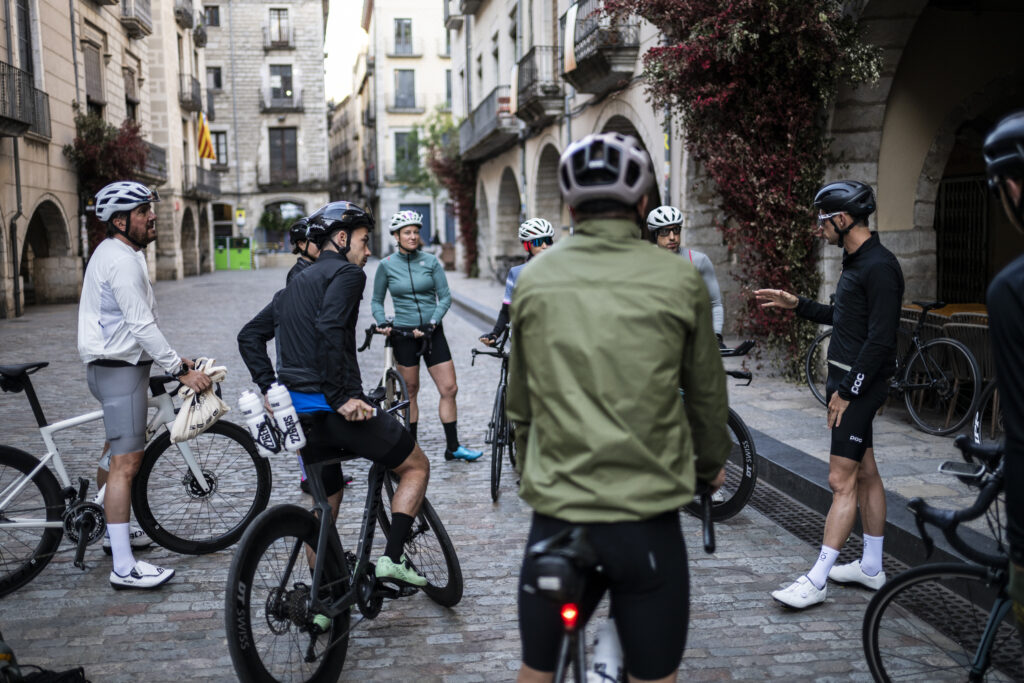
Training camps are a great opportunity for any athlete to boost fitness, learn new skills and connect with people–or just have a cheeky holiday doing what they love. But they can also be expensive and intimidating with overwhelming logistics. From budget to luxury camps, deciding which camp is right for you can be a tricky choice.
Experience First
Australian coach Nick Kastelein (winner of IRONMAN Vitoria-Gasteiz (2022) and Jan Frodeno’s training partner for many years) runs training camps in Girona, Spain and Kyoto, Japan, and says the first question isn’t really about what you can afford, but what kind of experience you’re looking to have.
“Athletes should consider the experience they want to get out of the camp, whether it’s performance, immersive, cultural or a mix of everything,” he says. To figure out what experience a camp is offering, check out the posted schedule and read reviews from previous athletes.
Performance camps are probably what most people think of. The proverbial eat, sleep, train and nothing else. But even performance-focused camps can be a little bit more. Consider who you want to be around and what you want the focus to be. Do you want big group meals and lots of coffee stops on rides? Do you want to get in as much volume as possible, or ride to a beautiful spot for lunch, or maybe both? And, if you’re going to a unique location, do you want to participate in cultural activities? If you’re planning to take your family, or a non-training partner, are there options for them?
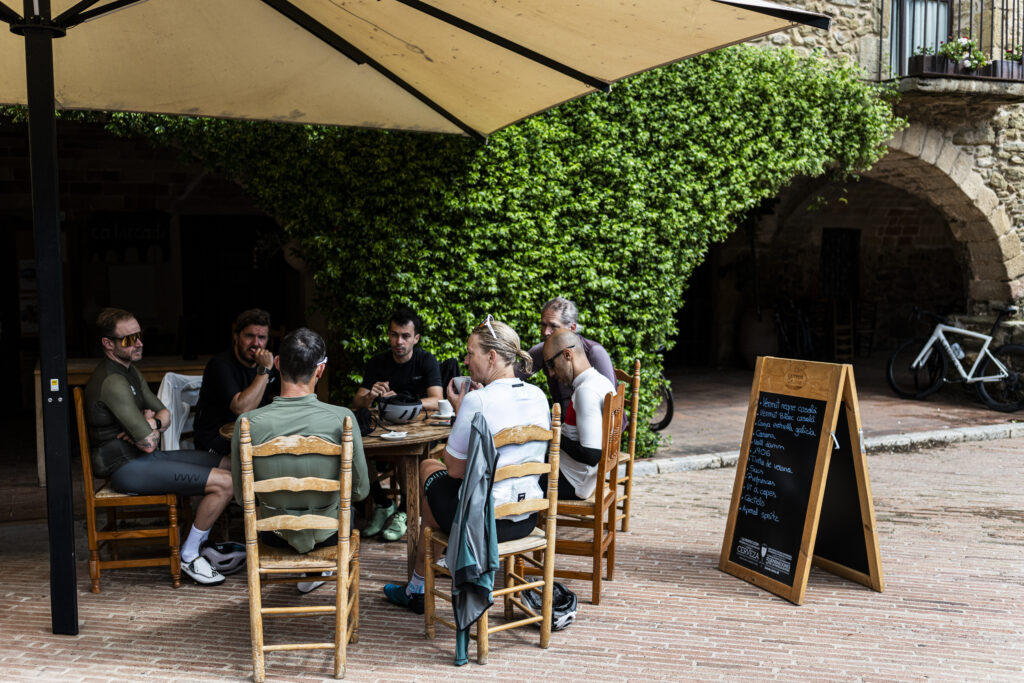
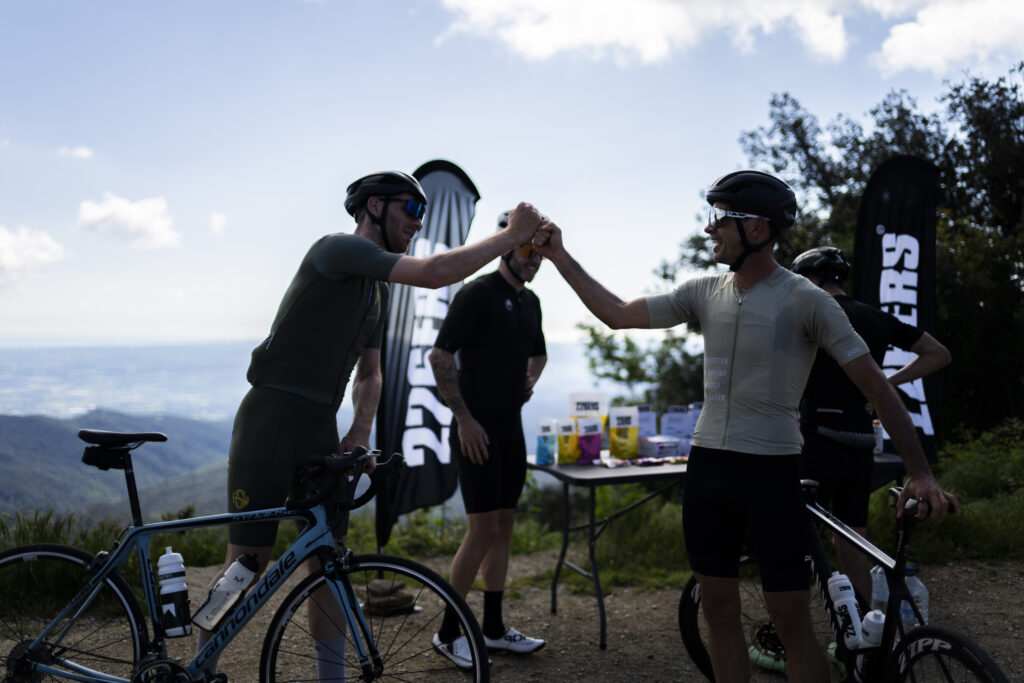
Even when Kastelein was on camp as a pro, the overall experience was the most important factor for him, and that’s something that has informed how he curates his camps.
“Learning from others is one key aspect,” he begins. “How others recover, what they eat, their positive attitudes towards bad days–it all counts. My greatest takeaways from the training camps I went on was the camaraderie in the day-to-day suffering, and the power of positive reinforcement and support from others around you. Having a good training routine also allows you to mentally rehearse each day and get the best out of it.”
Whether you want to learn from highly seasoned professionals, or be surrounded by others who want to explore your location, figuring out the experience you’re looking for will ensure you get the most out of your training camp.
Ability Level
Another concern athletes are always worried about when joining a camp is ability. No one likes to hold a group up or be completely out of their depth, but Kastelein says that shouldn’t be the reason you stay home.
“Most camps should cater to all abilities,” he says, explaining how his camps plan specifically to “blend abilities.” If that doesn’t ease your mind, or the information isn’t straightforward, Kastelein says you can always “ask for a clear set of performance standards from the organizer.”
Ok, But Cost Still Counts…
“Everyone’s wallet weighs differently,” Kastelein says. “Accommodation is the biggest factor, but I don’t think price affects the overall experience of the camp hosts and what they can provide through knowledge and experience.”
Making decisions by recognizing how your money is being spent will help inform the camp you choose. Set your goals, recognize what kind of experience you want to have, pick your budget and choose from there.
$150 or Less: The “I Just Need to Get Focused Training Done” Stay-cation Camp
The benefits here are obvious: it won’t cost you anything more than normal training. The drawbacks are that it’s only really a mental shift. You won’t get the benefits of being away from the general distractions of everyday life, a different training location, or in person coaching but, if that’s all you can afford, you can still get a training boost.
To execute a home training camp, pick a time and make the commitment. Invite other training friends (near or far) to do the same so you can suffer together. Block off your calendar as if you were going away and let your partner/family know things will be different for a week or two. Live like you are on training camp with the primary focus on training, sleeping, eating and disconnecting from everything else to boost recovery. Spoil yourself with a massage, work on some technique that you just “never have the time” for, and get in an extra helping of training (and carbs).
$400+: The DIY Camp
Create your own adventure. You can go as big or as fancy as you want, but, for this list, let’s assume this is the next step up from staying at home. Choose a great location that has all the necessities–pool, great training roads, hopefully good weather–and book yourself (and your mates) into an AirBnB or hotel. Have your coach plan the training load, or plan the time out yourself, figure out the travel logistics (including to and from the pool), and ensure you check out routes and pool/gym access before you go. There is a lot of leg work and planning with this option, but it can be more affordable and tailored to your preferences.
You’ll miss out on expert advice and coaching, but you can invite friends, training partners, or make it a family holiday to boost the experience. To make it easier, check out well-known training camp locations like Boulder, Tucson, Andorra, Girona, Noosa, Mallorca or the Canary Islands where there are often sport hotels, like this one, that offer triathlon packages.
$400-$1000: All Thrills, No Frills Basic Camp
There are a lot of packaged training camps out there and a good many of them are trying to be affordable. Often organized by coaches or clubs, they offer accommodation (often with a sharing option), coached training sessions and organized pool access. There are often optional extras like video analysis in the pool, massages, or performance testing, but the focus is more on fun and just getting out there to experience your destination through the modalities of swim, bike and run. Usually accommodation is basic and food is partially, or not, included.
$800-$2000: Seriously Fun Intermediate Amenities Camp
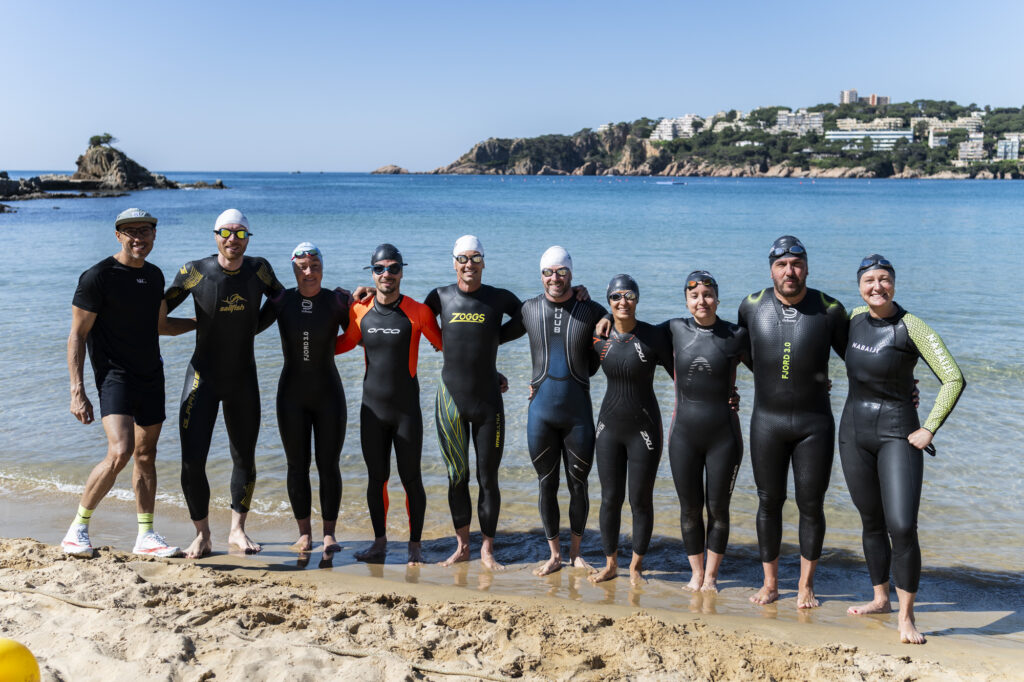
More intermediate training camps will have a performance focus and are often organized by coaches, clubs, training camp businesses, or retired pros like Kastelein camps or this one hosted by Emma Bilham and Jo Spindler. (You can even get a performance test from IRONMAN legend and Kona 2019 champion Anne Haug if you’re on camp in Lanzarote, Spain.) Training will be more structured and organized thanks to the coaches on hand, and there will be an emphasis on boosting fitness and skill. Performance testing, massage and consultations might be optional extras. The hotels are usually midrange or higher, and often food is somewhat organized with considerations for other annoying logistics like airport transfers. Locations are usually pretty spot on too.
The intermediate camps are often the sweet spot for most people, and typically where most camps fall in terms of delivery and amenities. There is a breadth of options and prices (and vibes, from serious to very relaxed, cultural to high performance) in this category and, with such a wide net, you’re in a good spot to get a high return on your time and money.
$2000+: A Bit of Lux Camp
Fancy camps start to bring in premium accommodation, excellent support staff beyond the primary coaches and offer extras like tailored nutrition and vehicle support on rides, possibly even a mechanic. There are a range of experiences available, but food and hotels will be on the high end–which is usually where the price ramps up. You might be training alongside an active or recently retired professional, have your nutrition prepared for you, and logistics are usually taken care of from the moment you arrive.
Price Upon Request: I Have Better Equipment Than Most Pros Camp
Private chefs, massages, vehicle support, training alongside professionals, bike mechanics, top-end experienced coaches and possibly only with exclusive access or custom designed just for you. This is the dream experience–that comes with a hefty price tag–and all you have to do is swim, bike and run (as much or as little as you want), and everything else is taken care of for you.


Start the discussion at forum.slowtwitch.com