
Building a Better Cockpit with Profile Design
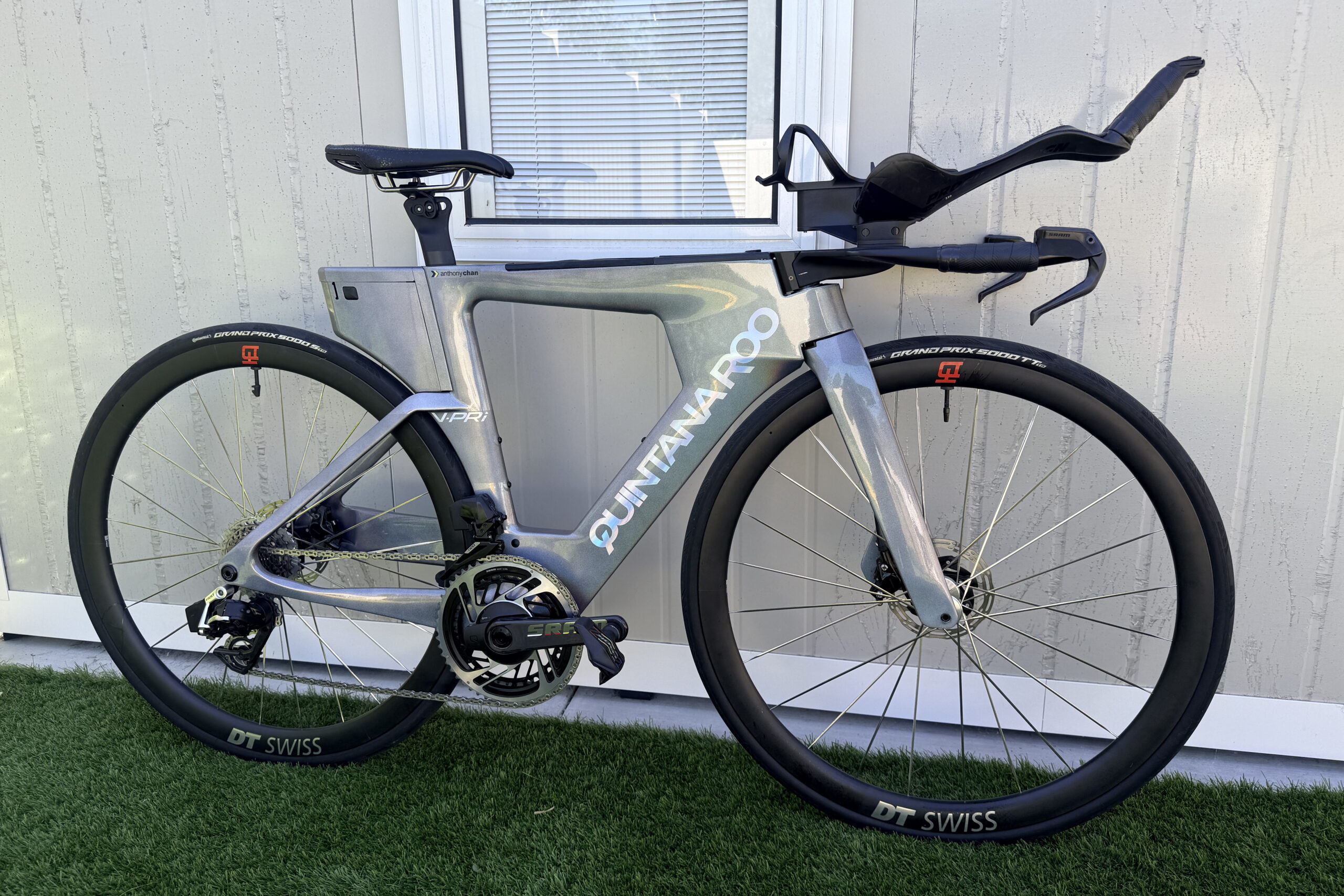
There are plenty of triathlon cockpits that look fast standing still. There are fewer that actually give you the range to build a position you want to ride for hours. That is what stood out to me with the Profile Design Wing Ultimate S, 43 ASC Pro and HSA Riser Kit. It turned my Quintana Roo V-PRi into a cleaner, more adjustable and more usable front end.
This upgrade centered around the Wing Ultimate S base bar, 43 ASC Pro extensions, and the HSA Riser Kit, but the bigger story is not any one part by itself. It is the way the whole system works together. The bar is clean, the extensions are modern, and the ecosystem around them gives the rider and your bike fitter room to work.
The Core of the System
What I like most here is that this is not just a “slam it and send it” setup. Yes, it can go low. It can also stack quite high if you prefer. And yes, it can look aggressive. But that is not really the point. The point is that it got me better usable fit numbers than the stock componentry and more freedom to shape the front end around comfort, support and the ability to stay aero for a long time.
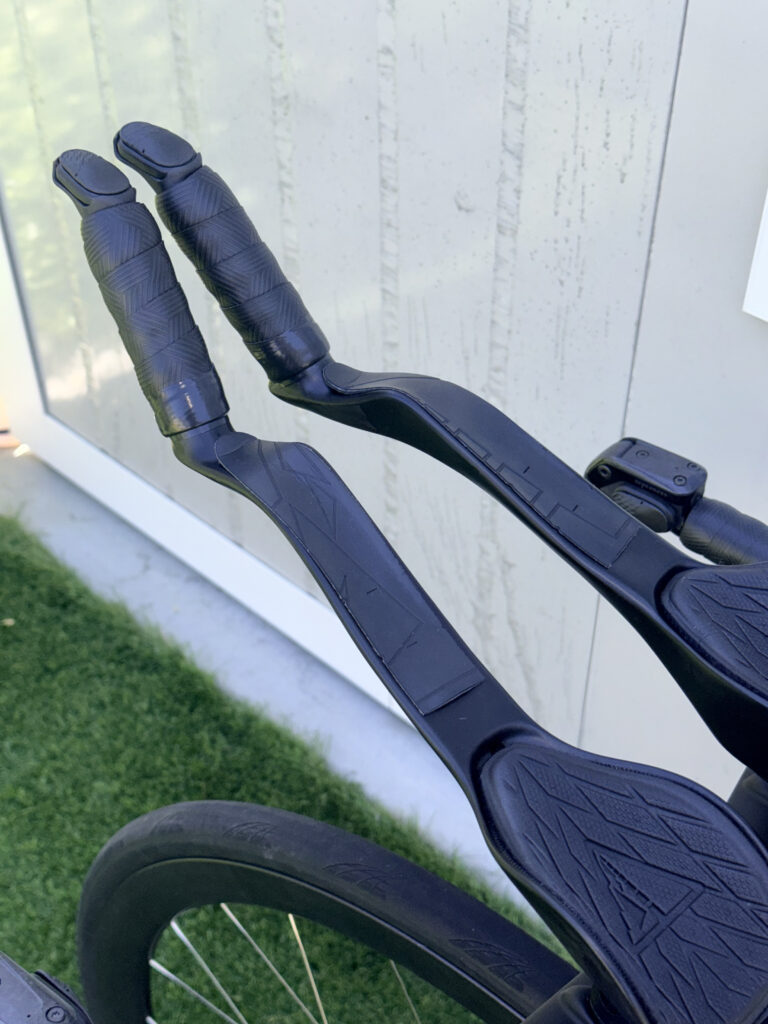
That matters because the 43 ASC Pro is a central piece of the system. The extension shape is the first thing you notice. These are not traditional skinny extensions with a simple bend. The ASC Pro has forearm support built in, and in person that support is a big part of the appeal. You can see it in the pad shape and in the way the extension body carries the arm forward, creating a more natural wrist bend and neutral hand placement.
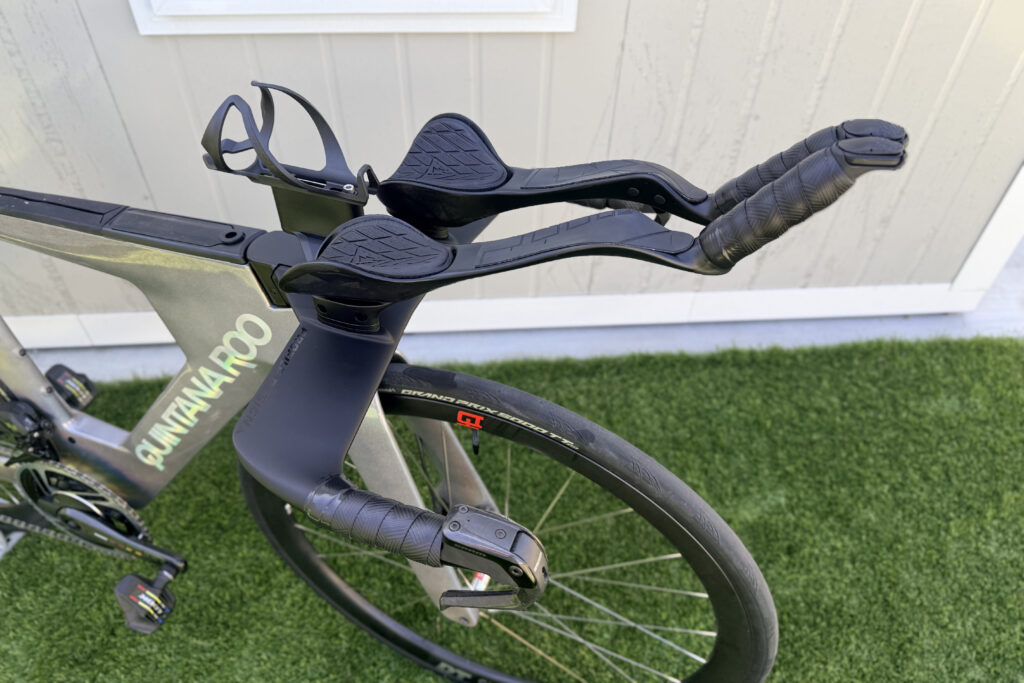
The Wing Ultimate S is the foundation of it all. It is clean, narrow (at 42 cm), and purposeful without feeling overly proprietary. That is a big deal on a triathlon bike, because the more locked-in a front end becomes, the harder it is to solve the actual fit problem once the bike is in the real world. This setup feels different. It feels like a system built by people who understand that the fastest position is the one you can actually hold.
And to me, that is where Profile Design got this right. The extension itself is one piece, but the system around it is still highly adjustable. From the available extension lengths, bracket options, wedges, reach extenders, and accessory mounts, there is real room to fine-tune the front end instead of settling for “close enough.”
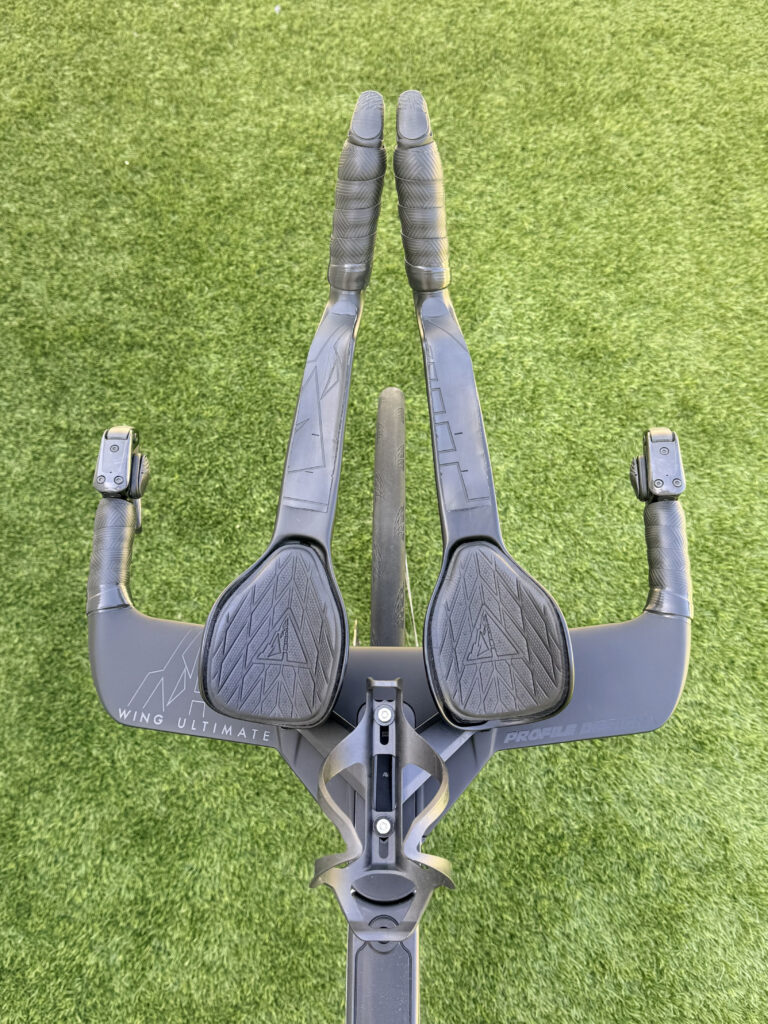
This top-down view is one of the best illustrations of what makes the setup work. The cockpit looks narrow and purposeful, but not cramped. No, you do not have to make it this narrow. The arm cups offer real support, the extension line is tidy, and the between-the-arms bottle placement stays integrated instead of looking like an afterthought.
That bottle placement is worth mentioning because the HSA Riser Kit plays a useful supporting role. It is not the part that changes your pad stack, but it does help bring hydration and accessories into a more usable spot. In a setup like this, that matters because you want to make sure the position works in the real world, with nutrition, hydration and enough stability to stay there.
What it Costs
At current MSRP, here is what the core setup costs before shipping (usually free since you’ll hit the minimum spent) and taxes (where applicable):
| Component | Price (USD) | Notes |
|---|---|---|
| Wing Ultimate S Basebar | $982.00 | Core base bar |
| 43 ASC Pro Extensions | $928.75 | Main extension and armrest system |
| HSA Riser Kit (45 mm) | $33.00 | BTA hydration/accessory riser |
| HSA Riser Kit (90 mm) | $49.50 | Taller BTA hydration/accessory riser |
| Core setup total (with 45 mm riser) | $1,943.75 | Basebar + ASC Pro + HSA Riser Kit |
| Core setup total (with 90 mm riser) | $1,960.25 | Basebar + ASC Pro + taller HSA Riser Kit |
| Wing Ultimate S with A3 Bracket Kit | $1,099.00 | More realistic starting point for a full build |
| Scratch-build total (with 45 mm riser) | $2,060.75 | A3 Bracket Kit version + ASC Pro + HSA Riser Kit |
| Scratch-build total (with 90 mm riser) | $2,077.25 | A3 Bracket Kit version + ASC Pro + taller HSA Riser Kit |
The Modular Ecosystem
I also think the accessory story deserves real credit. This is not just a bar and extension package sold in isolation. The Profile Design ecosystem includes things like the computer mount, offset kits, wedges and reach extenders that can all be added without making the front end look like a science project. As you can see from my setup, I went for a minimalist setup with one bottle, a relatively low and long position with hands together at the end. Not many setups on the market could get me this clean on the front, which made it stand out.
That broader ecosystem is part of what makes this more than a simple bar swap. Here’s a list of all the add-ons you consider for dialing in your cockpit:
| Accessory / Add-on | Price (USD) | Purpose |
|---|---|---|
| ASC Pro Computer Mount | $55.00 | Integrated computer mount for ASC Pro extensions |
| ASC Pro Aerobar Bracket Kit – 5 mm Offset | $109.00 | Alternative bracket for additional width/reach tuning |
| ASC Pro Aerobar Wedges | $138.00 | Adjusts extension angle |
| A3 Reach Extender | $93.50 | Adds 32 mm of pad reach |
| A3A Riser Kit – Aluminum | from $137.50 | Additional stack options |
| A3C Riser Kit – Carbon | $308.00 | Lighter premium riser option |
| Aerobar Riser Bolt Kit | from $11.50 | Bolts for riser and wedge configurations |
| A3A BTA Bridge | $99.00 | Bridge for BTA accessory mounting |
| HSA Mini BTA Mount | $22.00 | Compact between-the-arms bottle mount |
| HSA 800 EVO Hydration System | $126.50 | Integrated front hydration option |
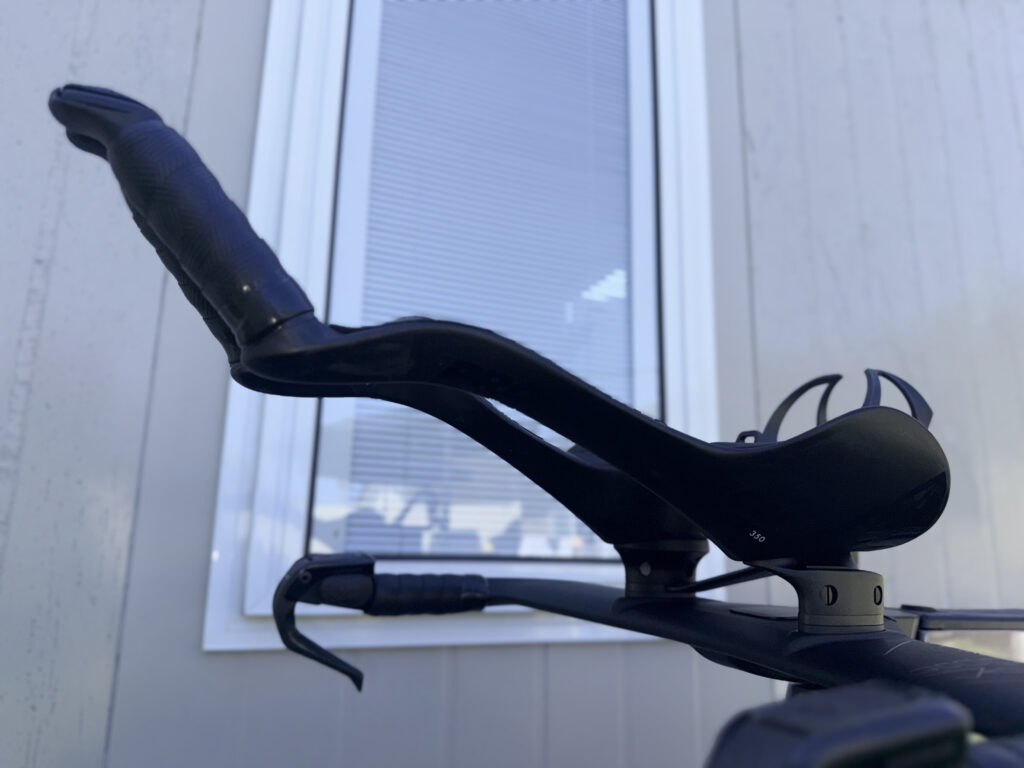
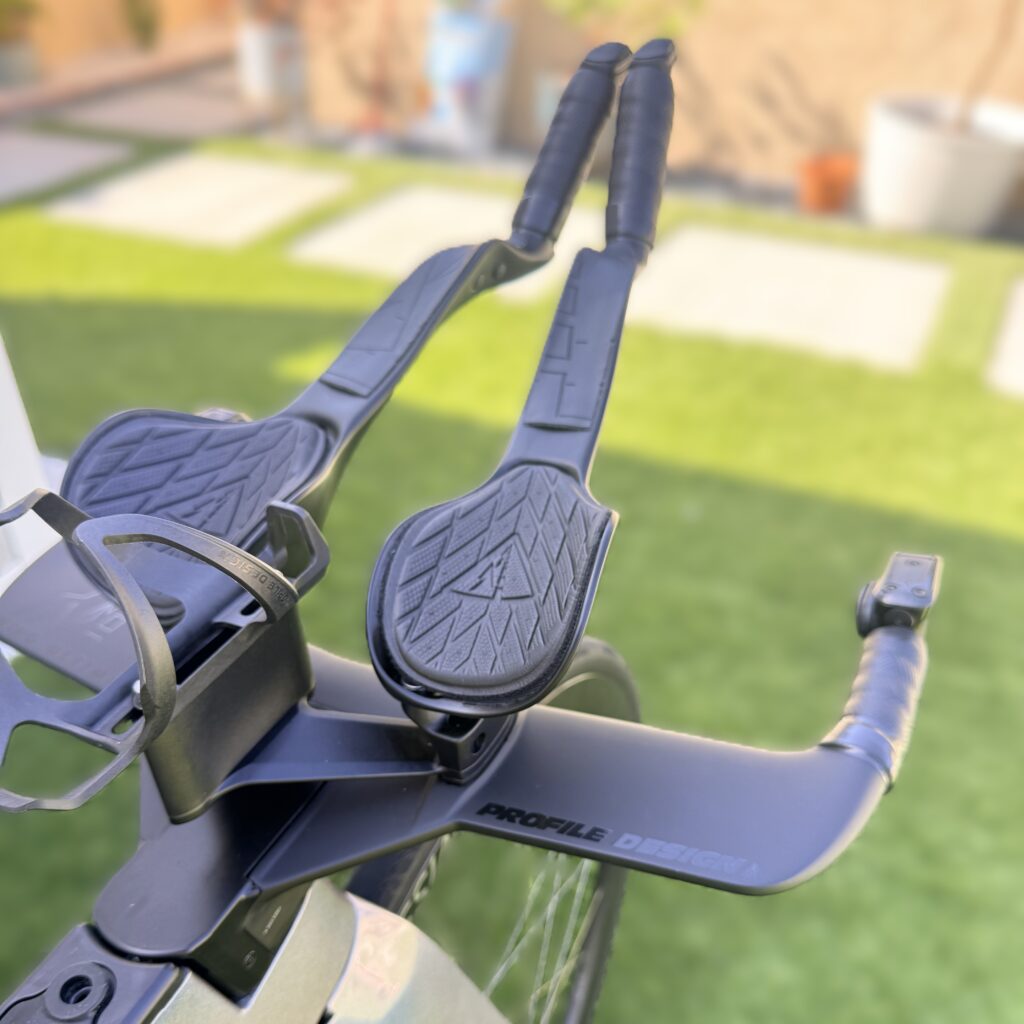
This is one of the more important photos in the set because it shows the shape honestly. The 43-degree extension does not just kick upward at the end. It transitions through the forearm area and into the grip in a way that makes sense for a modern triathlon position.
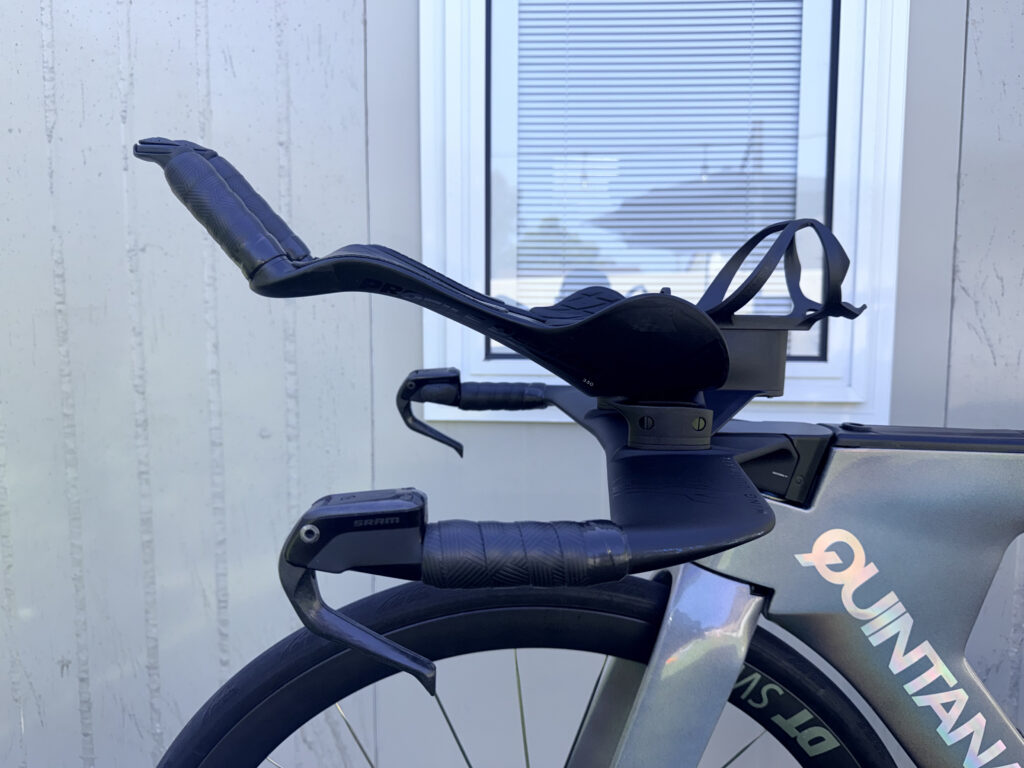
This one also highlights something I kept coming back to while looking at the bike: despite all the adjustment and modularity, the cockpit still looks integrated. Some systems give you options, but lose the clean finish in the process. This one manages to do both.
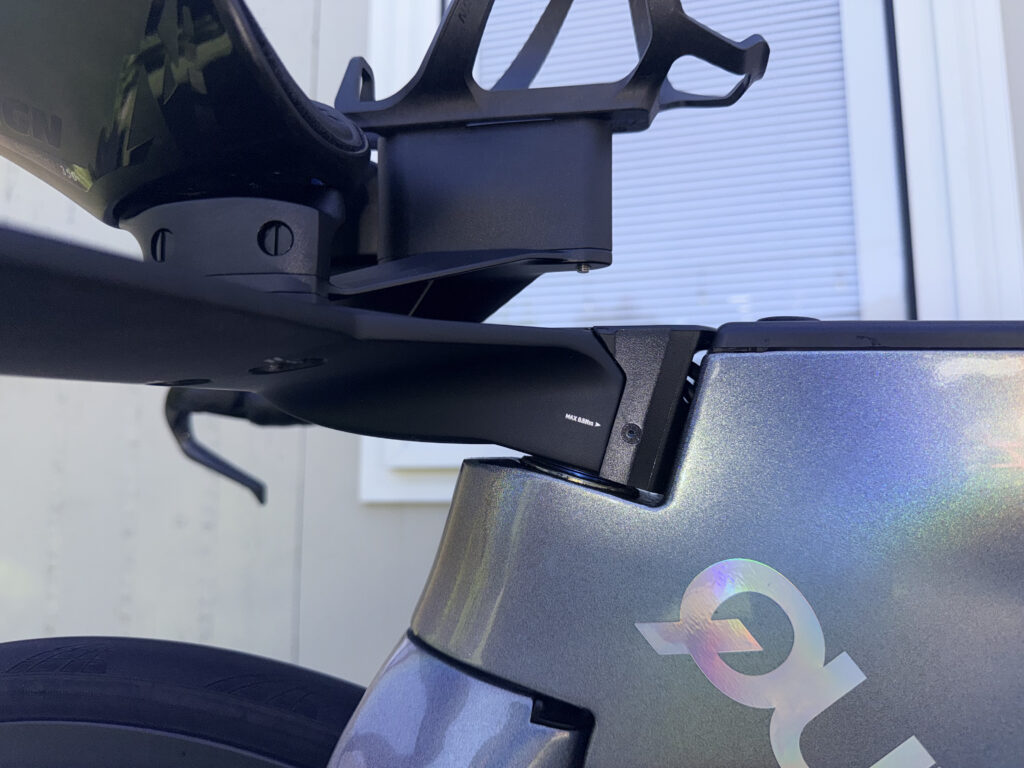
On the Bike
On my V-PRi, the biggest win was not that this cockpit let me get lower. It was that it let me get right. Compared to the stock front end, where I used an aftermarket reach extender to achieve the “close enough” fit, the Profile Design cockpit simply had more useful range to work with and a better path toward the kind of position I actually want to ride in. That means a front end that can still look aggressive, but more importantly one that feels sustainable for those 3+ hour rides. For me, that is the real difference: comfort is king.
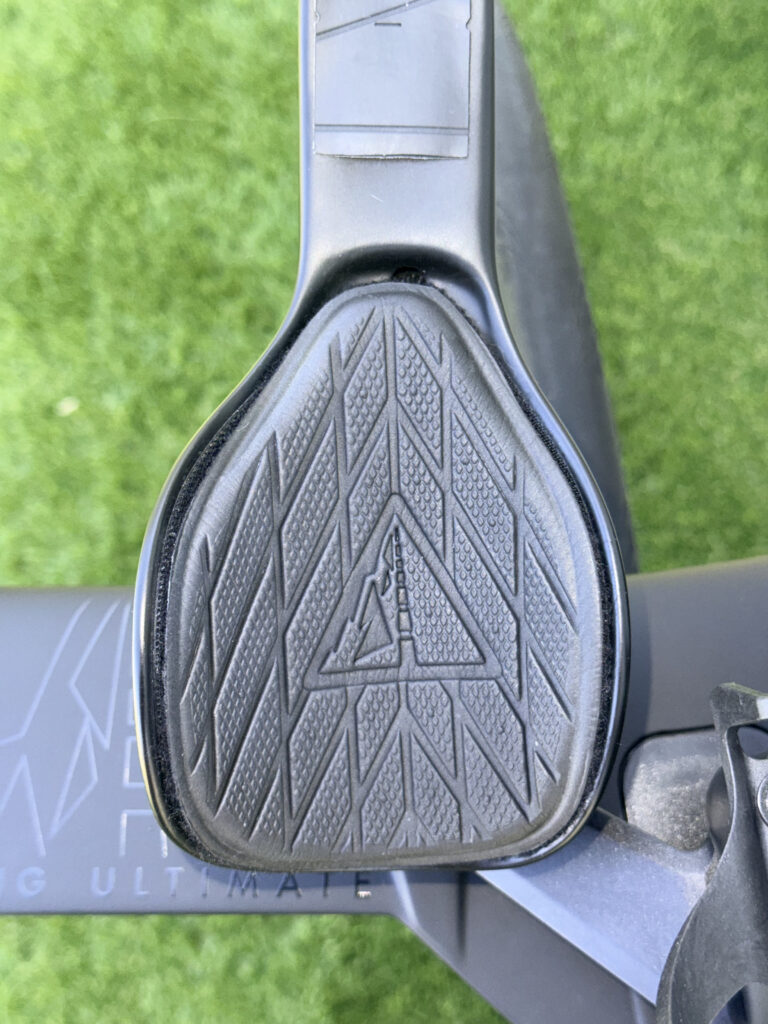
The arm cup shape gives you enough support to lock in your arms. It is not the most aggressive arm cup on the market, but I think it would fit the majority of riders well. The broad forearm contact helps the cockpit feel planted, and the “stick” of the cup was comfortable.
Final Thoughts
At the end of the day, this was more than a bar swap. Profile Design delivered a modular front-end system that looks clean, fits well, and gives riders real options to dial in comfort and support. Accessories are easily swapped on and off, whether you are going for 180 km (112 miles) or a quick lunch interval ride.
On my Quintana Roo V-PRi, that meant a cockpit that not only improved the look of the bike, but, more importantly, improved the quality of the position I can actually ride in. I am not much of a weight weenie, but the upgrade also trimmed a bit of weight from the front end. That is the real difference between a cockpit that simply looks fast and one that is truly built to train and race in for hours.


Start the discussion at forum.slowtwitch.com