
Canyon Aeroad CFR Di2 Review: A Future-Proof Halo Build
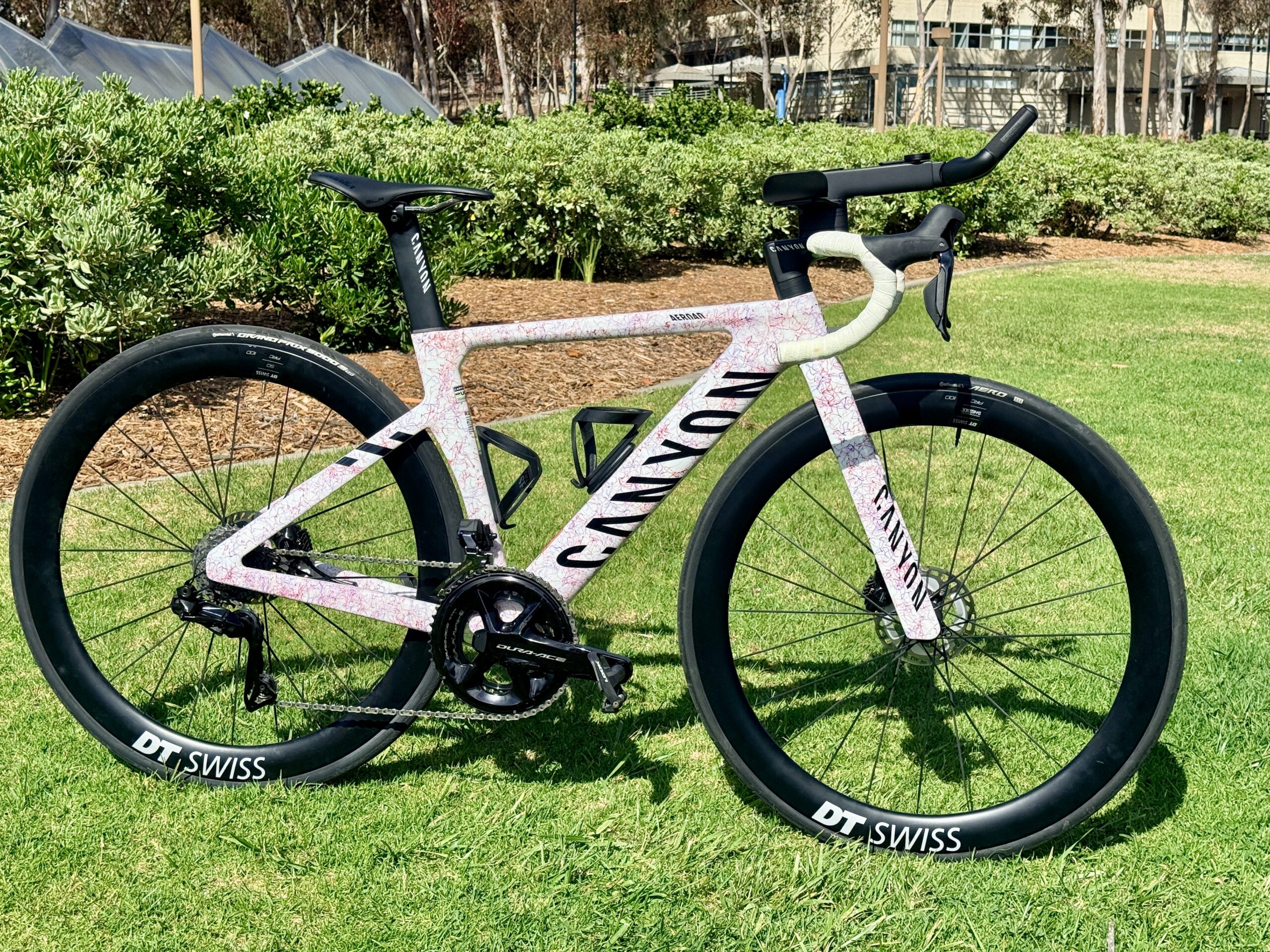
What if I told you that the best bike for you, even if you’re brand new to cycling, is a top-of-the-line ‘halo’ build like the Canyon Aeroad CFR Di2? I know how that sounds. But hear me out, because I’m the rider who learned it the hard way. Like a lot of triathletes, I came into the sport on an entry-level bike, figuring I’d upgrade later if I stuck with it. And stick with it I did. What followed was years of exactly that: better wheels, a power meter, new handlebars, multiple aerobar cockpits, lighter and more comfortable saddles. Every upgrade meant more money, more time in the shop (or garage tinkering), and rounds of fitting and readjusting a bike that somehow never felt finished.
So when I say the Canyon Aeroad CFR Di2 might be the last road bike a new rider ever needs to buy, I’m not saying it as someone who skipped that whole grind. I’m saying it as someone who lived it. And it raises a fair question: why chase reliability and a dialed-in fit one part at a time, over years, when you could just start with a bike that’s already there? Something reliable out of the box, that doesn’t need upgrading, and that will keep working for years to come.
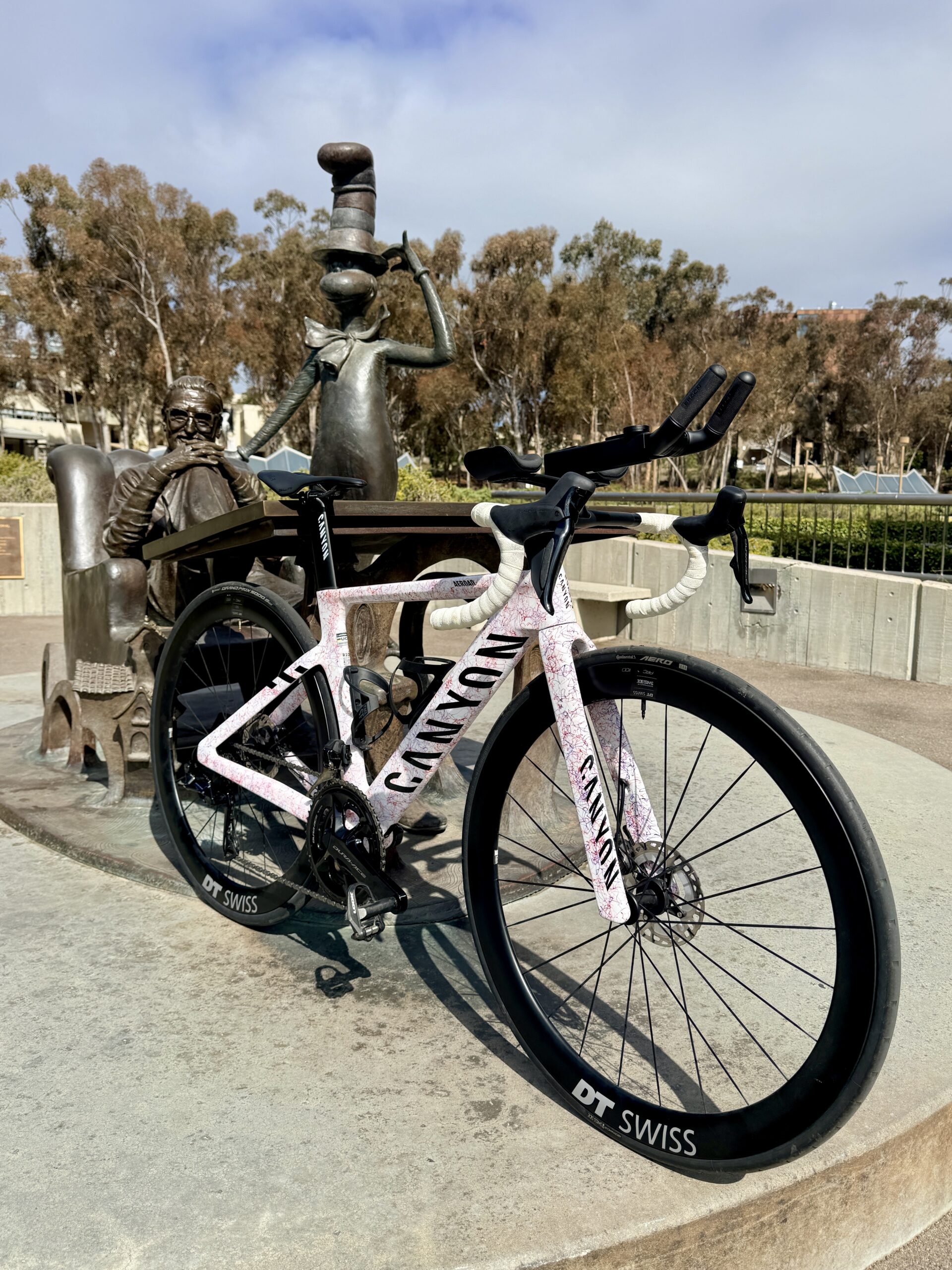
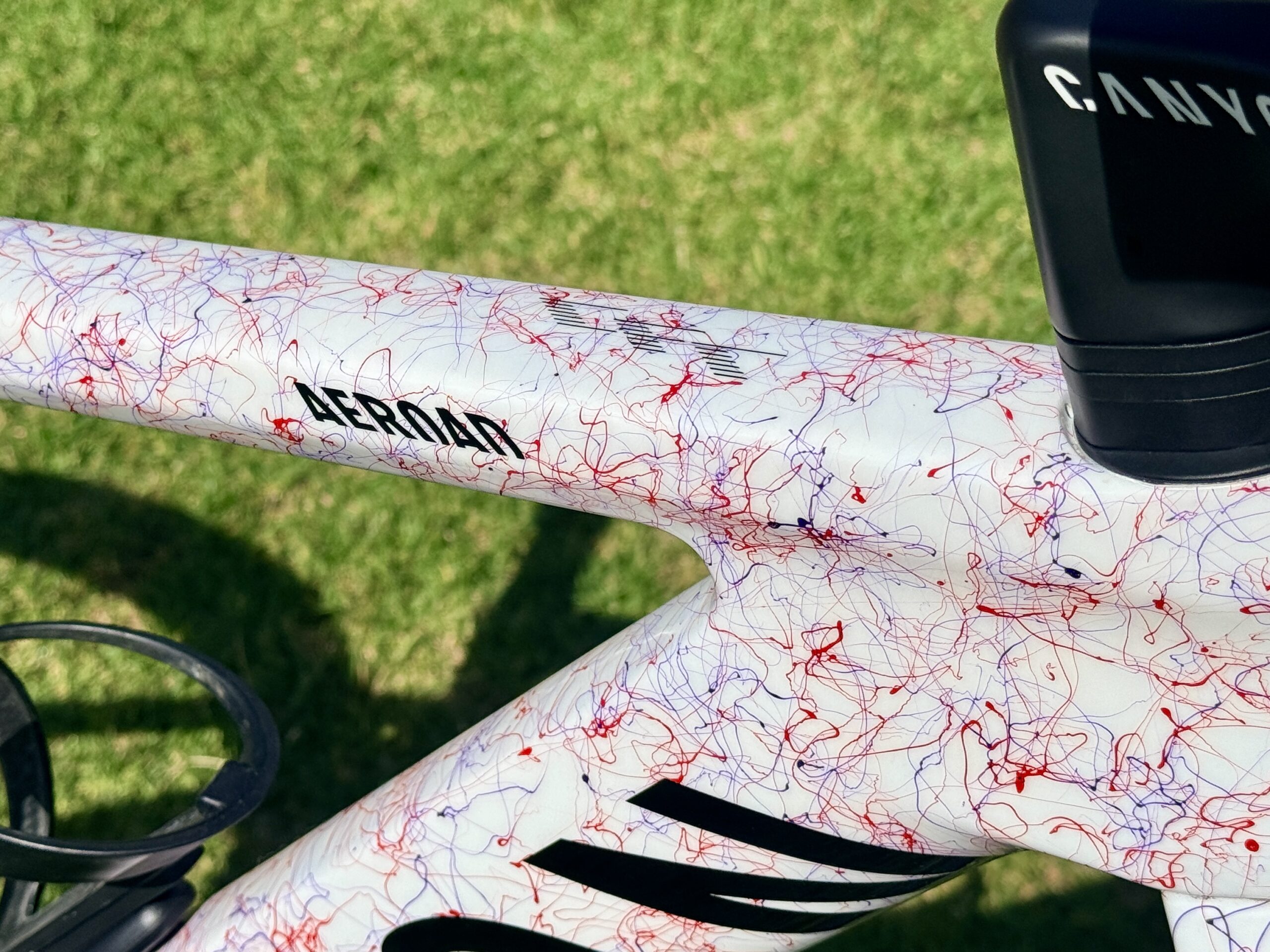
The Aeroad CFR Di2 is Canyon’s flagship aero road bike, built with the same pro-spec carbon layup its World Tour riders race. This particular build pairs that frame with 12-speed Shimano Dura-Ace Di2 and the custom MyCanyon Mano Collection Leo colorway (other custom paint finishes available). It’s a halo build in every sense of the word. And the case I want to make in this review is simple. If you’re getting into road cycling or triathlon, or both, and you suspect you’ll love it for the long haul, this is the bike you’ll essentially never need to upgrade.
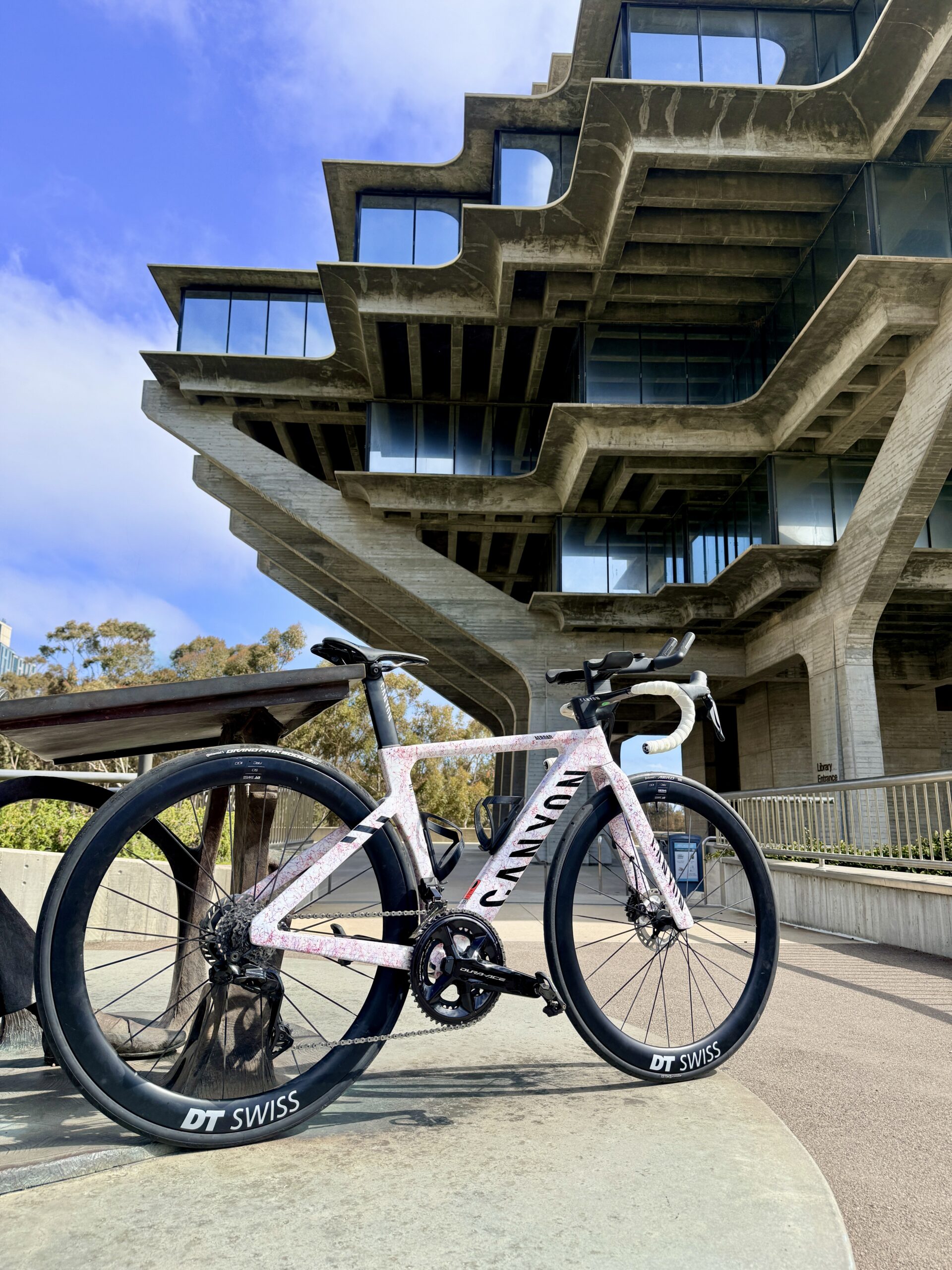
The Build at a Glance
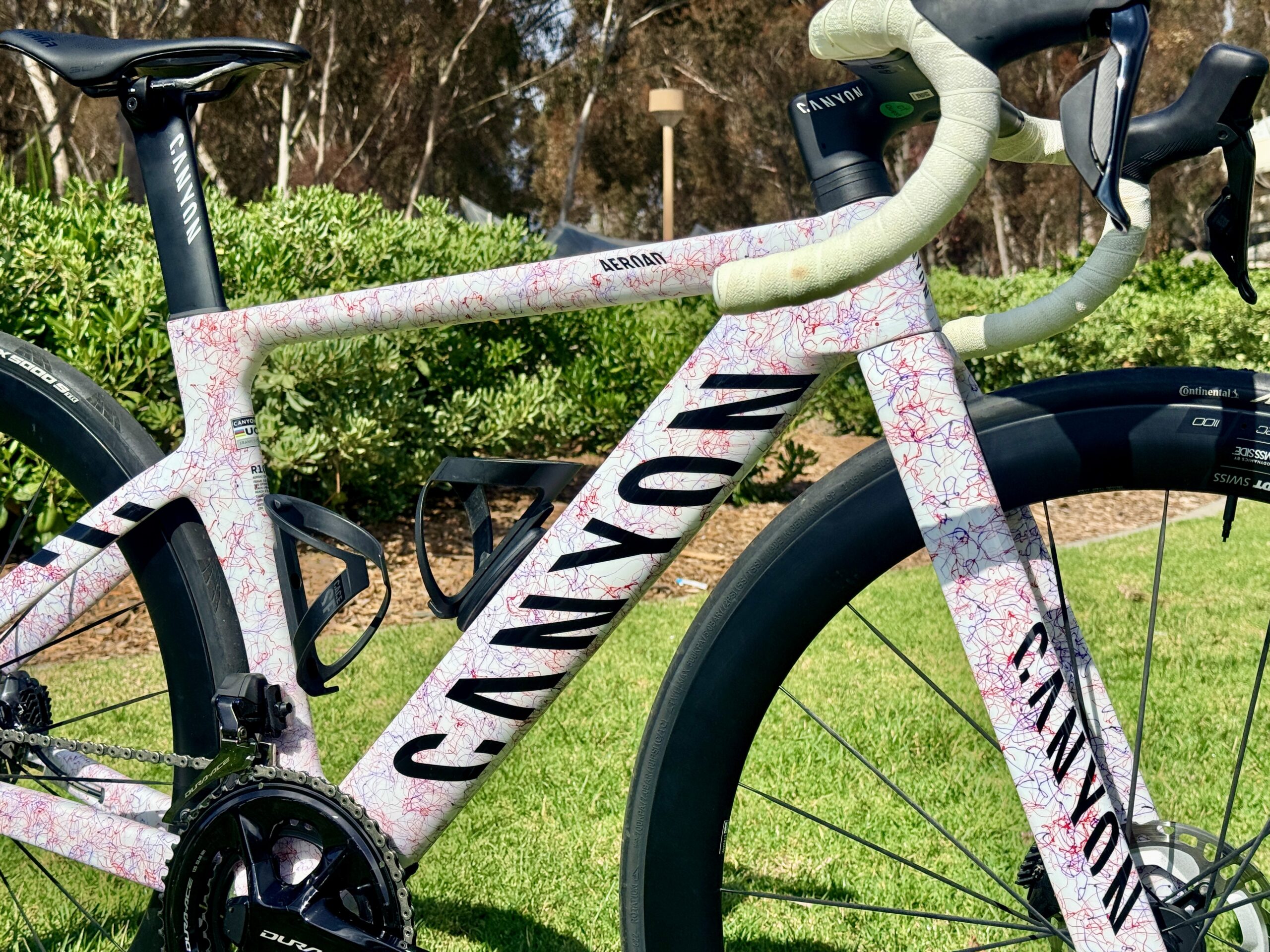
| Frame | Canyon Aeroad CFR, pro-spec carbon layup; size 2XS; UCI frameset (Category 1); stack 498mm / reach 372mm; MyCanyon Mano Collection Leo colorway |
| Groupset | Shimano Dura-Ace Di2 R9200, 2×12 |
| Brakes | Shimano Dura-Ace hydraulic disc, 140mm rotors |
| Wheels | DT Swiss ARC 1100 DICUT 50 (50mm carbon), tubeless-ready |
| Tires | Front: Continental Aero 111 (aero-optimized) · Rear: Continental Grand Prix 5000 S TR |
| Cockpit | Canyon integrated aero cockpit (GEAR GROOVE–compatible); variable width & height |
| Seatpost | Canyon Aeropost, D-shaped, variable setback |
| Saddle | Selle Italia SLR, carbon-railed |
| Aero extension | Canyon GEAR GROOVE Aero Extension with Ergon armrest pads ($699.95 add-on) |
| Power meter | Shimano Dura-Ace crank-based power meter |
| Price | From ~$10,499 (CFR Di2) |
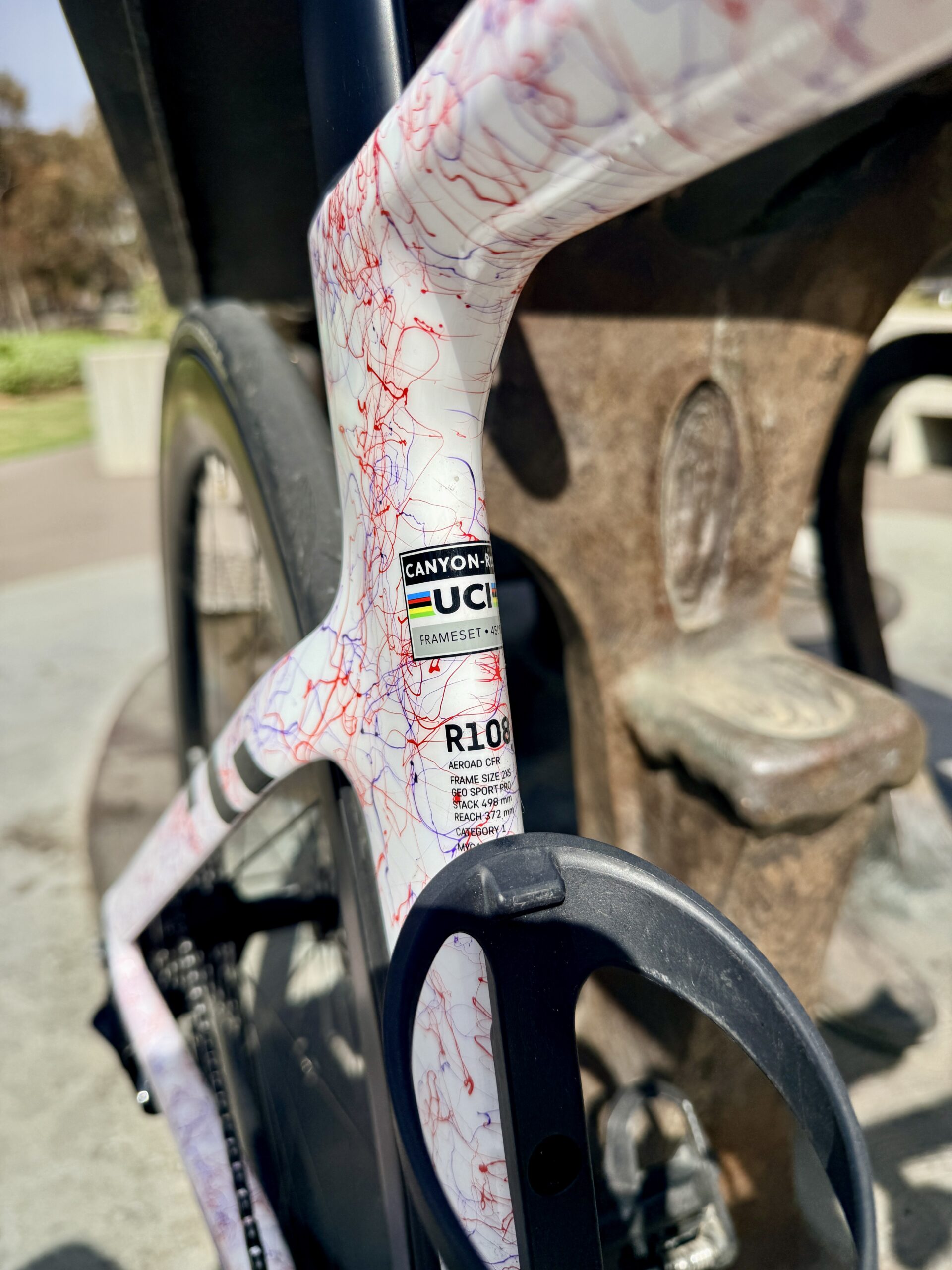
Why “Top of the Line” Actually Matters Here
There’s a difference between a bike that’s expensive and a bike that’s finished. The Aeroad CFR is finished. Canyon builds every CFR frame from the same cutting-edge carbon layup its professional riders race, so the chassis you’re buying isn’t a watered-down consumer version. It’s the real thing. Add top-of-the-line Shimano Dura-Ace Di2, reliable DT Swiss ARC 1100 wheels, and a fully integrated cockpit, and the componentry ceiling is already the componentry you own. There is no obvious “next step up.”
That’s the crux of the buy-once argument. On most bikes, the upgrade path is a way for the brand to sell you the wheels, the groupset, or the finishing kit you didn’t get the first time. On the CFR, that path has already been walked for you. And the integration is seamless: everything is fully integrated, from the cockpit through the cabling, with none of the visual clutter or afterthought hardware you find on bikes built to a price.
The Real Story: How Far This Bike Adjusts
Here’s what makes the never-upgrade case more than marketing: Canyon engineered this bike around adjustment. New road cyclists (and triathletes) change fast: fitness climbs, flexibility improves, and goals shift from “finish the group ride” to “hold a real aero position for an hour”, to “take massive pulls!” Most bikes force you to buy new parts to keep up. The Aeroad is built to move with you instead: bar width, stem length, saddle position, and the entire GROOVE cockpit all tune to the rider, not the other way around.
An integrated cockpit that still moves
The headline feature is Canyon’s PACE integrated cockpit. Bar width and height tune without swapping components or cutting a steerer. And while the cockpit is a one-piece integrated unit, Canyon offers it in a range of stem lengths, meaning you spec the reach that fits you from the start rather than settling for a compromise. On the CFR you can go a step further and switch the standard classic drops for narrower aero drops using the integrated multi-tool. The design is modular, too: the drops separate from the T-bar entirely, so they can be swapped for a more aero-focused option, and the width itself can be set narrower or wider using nothing more than a T25 torx key. In practical terms, one bike carries you from a comfortable, upright all-rounder to a pro-inspired race position as your body and ambitions morph over time.
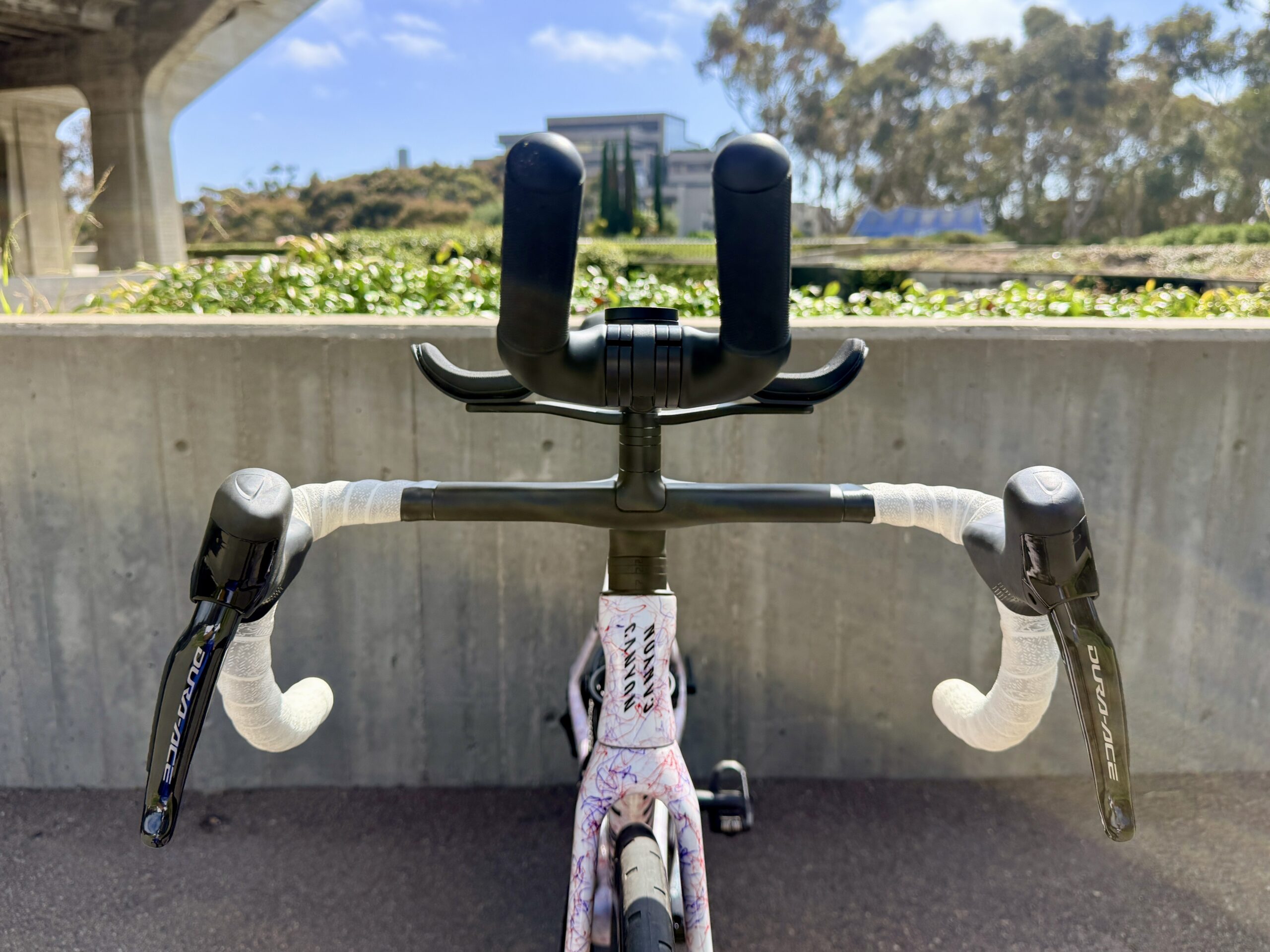
Comfort you can dial in
The adjustability isn’t only about going faster…it’s about staying comfortable. The D-shaped Aeropost offers variable setback to fine-tune saddle position, and the frame clears tires up to 32mm, so a rider chasing a smoother ride can run wider rubber without buying a different bike. The DT Swiss wheels are tubeless-ready, too: they ship with tubes, but converting is straightforward with tubeless valves and sealant. Tubeless, whether you love it or hate it, it allows for lower tire pressures, better puncture resistance, and a more supple ride. Between cockpit, post, and tire choice, there’s a wide comfort window baked into a bike most people assume is uncompromising. I ran the stock tire setup Canyon shipped it with, and it felt fast and comfortable.
And the fine-tuning doesn’t stop at the road cockpit. Add the GROOVE aero extension and you inherit fit technology that trickled straight down from Canyon’s Speedmax triathlon bike, a platform proven across every level of the sport, from World Tour pros to age groupers to first-time triathletes.
From Road Bike to Aero Weapon: The GEAR GROOVE Bridge
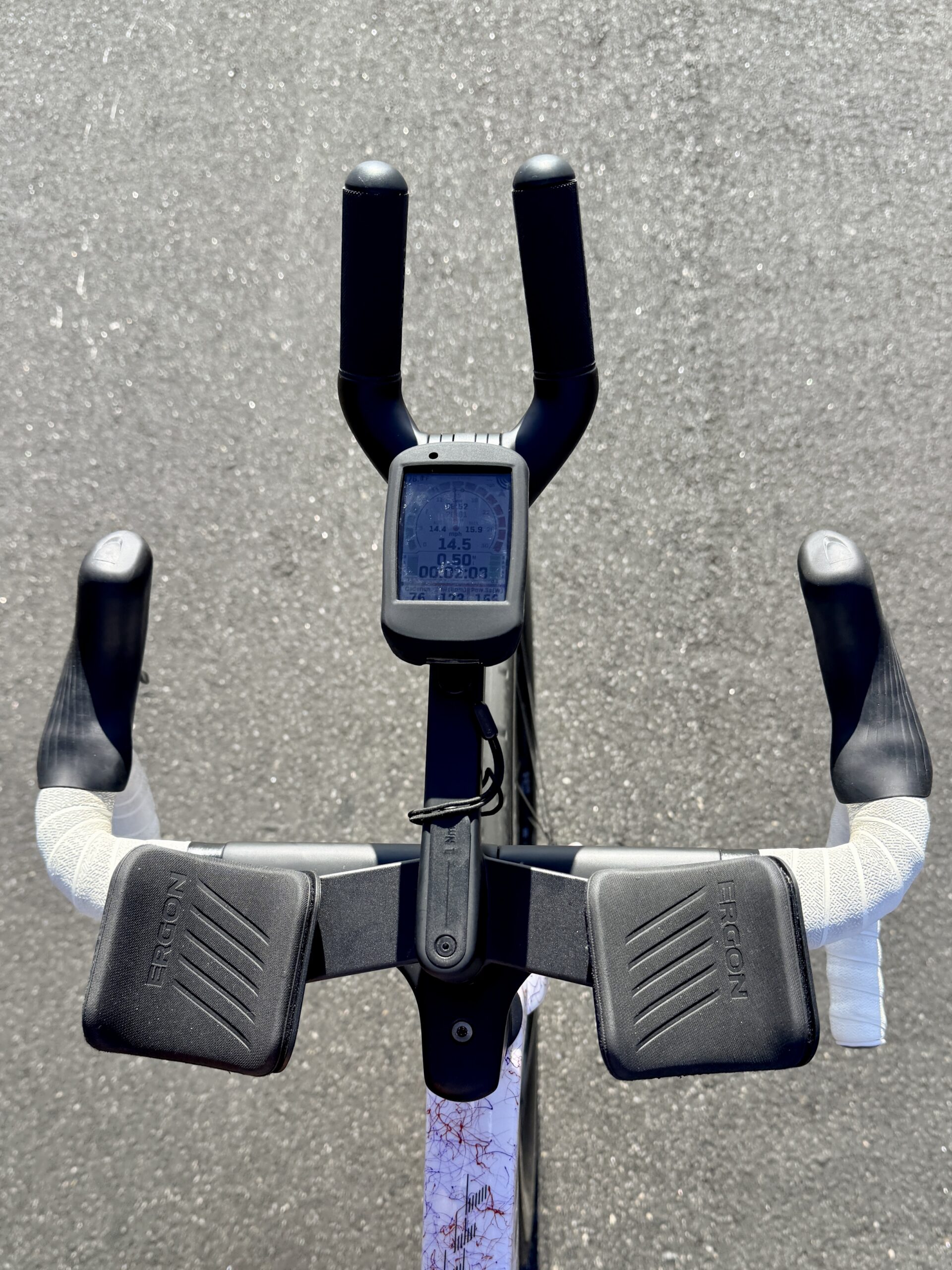
This is where the Aeroad quietly does something most road bikes can’t. Canyon’s GEAR GROOVE Aero Extension ($699.95) clips into the cockpit’s integrated gear-groove interface and delivers a genuine forearm-supported aero position. It’s individually adjustable across four axes (length, height, grip angle, and armrest shell position) and finished with Ergon OrthoCell arm pads. For a triathlete or a road rider curious about time trialing, one bike pulls double duty.
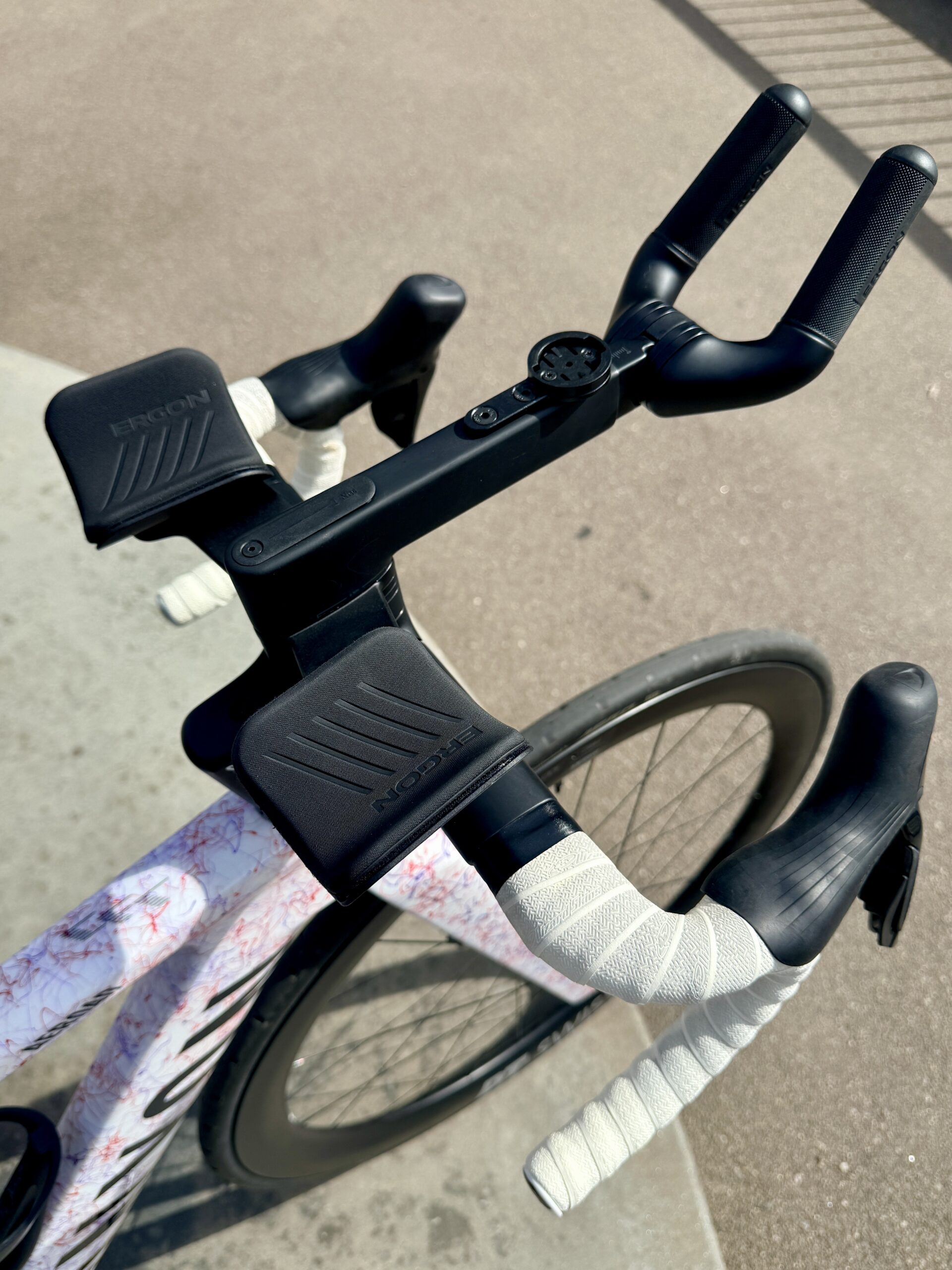
On the Road: Aeroad CFR Di2 Hands-On Impressions
I’ve ridden a lot of bikes and the ride on the Aeroad CFR is nothing short of extraordinary. This is Canyon’s top-of-the-line bike, and it feels like it in every input, especially the way it holds speed on the flats and the sense that nothing is flexing or wandering where it shouldn’t. That’s the payoff of pairing a pro-grade frame with Dura-Ace Di2 and deep carbon wheels: there’s no weak link to remind you this is a consumer build, because in the ways that matter, it isn’t.
What really sets it apart is the detail. The fit and finish is meticulous where the cockpit and frame flow into one another, resulting in clean junctions where lesser bikes show their compromises. This is the part of a halo build that photos undersell and a ride reveals: everything feels considered, nothing feels tacked on. And I’ll admit a soft spot for the paint job — the custom MyCanyon Mano Collection Leo colorway is genuinely eye-catching.
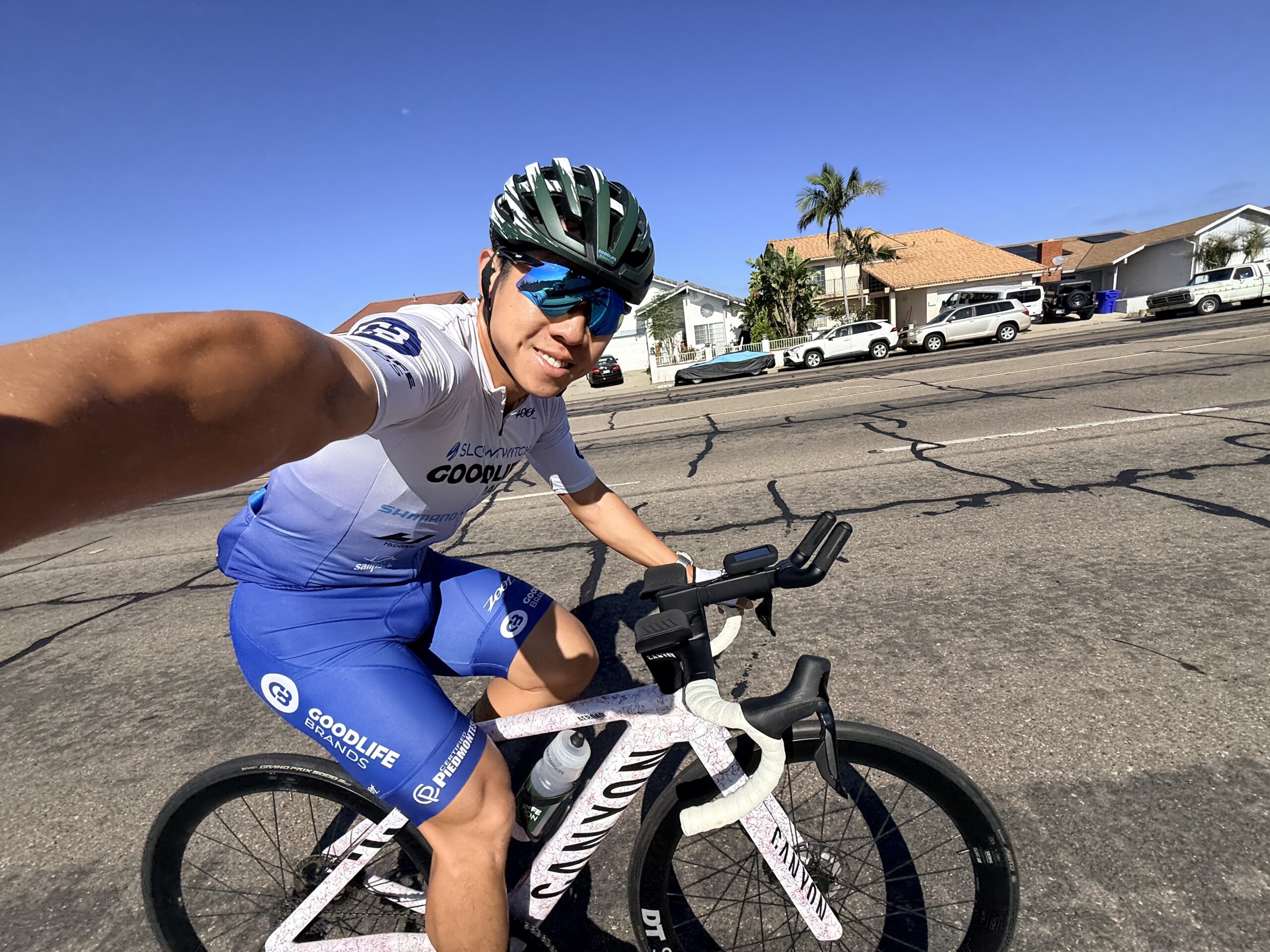
And here’s the moment that sold the whole thesis for me: moving from the road position to the GEAR GROOVE aero bars was genuinely easy. I could ride the hoods and drops like any road bike, then drop onto the extensions and settle into a real, forearm-supported aero position without a fight. If I had to name the single quality that defines the ride, it’s responsiveness. The frame is firm and stiff, and it simply goes when you go. On paper that stiffness could read as harsh, but in practice it pairs with real stability: the bike stays planted, and even the long descents we get here in parts of San Diego feel comfortable and composed rather than nervous.
Who This Bike Is Really For
Think about how most people actually come into this sport. You buy an entry-level bike, ride it, fall for it and then the repetitive upgrades start. Better wheels. A power meter. An electronic groupset. New finishing kit. It’s a natural, almost inevitable progression, and by the time you’ve chased it through a bike or two, the cumulative spend often lands right around what a halo build costs in the first place.
The Aeroad CFR Di2 is the future-proof answer to that cycle. It’s for the athlete who is new to the sport but already knows they’re serious. Or it could be someone who wants one bike to rule it all, from your group ride to race-day. Or it could be someone who would rather buy the ceiling once than to climb toward it one upgrade at a time. Because everything here is already top-tier, there’s nothing meaningful left to upgrade; and because the bike adjusts so deeply, it keeps fitting you as you improve. Whether you’re all-in on road, drawn to triathlon, or mixing the two, this is about as close to perfect as a single bike gets.
None of this erases the price. North of $10K USD a serious barrier, and for plenty of riders it will simply be too much. But if the budget is there and the commitment is real, the value checks out. Alternatively, you can get yourself “non halo” builds that start at around $5K USD, which gets you into the Aeroad CF SLX.
The Verdict
So where does that leave us? The Canyon Aeroad CFR Di2 is, to me, as close as it gets to a bike you’ll never need to upgrade. The frame is pro-grade, the componentry is already the ceiling, the fit and finish is exceptional, and the adjustability means it grows with you instead of aging out. The direct-sales model asks you to size yourself with confidence (please double check with your fitter or Local Bike Shop, or ask Canyon directly)!
If you’re serious about road, triathlon, or both, and you’d rather buy once than climb the upgrade ladder for years, this is the bike I’d point you to. If you asked me directly who it’s for, my answer is simple: the athlete looking for something that won’t need a single upgrade. It’s bespoke, and it’s built to stay that way.





Nice write up @chanthony …great pics too!