


Using Marginal Gains to Reach New Heights in Triathlon

There is a popular book titled Atomic Habits by American writer James Clear that holds an important lesson for triathletes. This is a self-help book, and while many reads in this genre can be full of platitudes and hollow messages, there is at least one story that Clear tells that is worthwhile. (I have to be honest, I haven’t read the entire book, so I can’t be sure that the rest of it lives up to this excerpt.) It’s a story about the British cycling team, a climb out of irrelevance and marginal gains, and it lays out a practice that everyone — triathlete or not — can use to improve day by day.
Reshaping British Cycling
As Clear explains in his book, British Cycling underwent a changing of the guard in 2003 with the hiring of a new performance director, Dave Brailsford. At that point, no Brit had ever won the Tour de France, and in the past century, Great Britain had only one Olympic gold medal in the history books. In a matter of just a few years, however, Brailsford transformed British Cycling, taking it from being something of a laughing stock to one of the powerhouses of the sport.
He accomplished this with a focus on marginal gains. Instead of looking at the British team through a macro lens and trying to make big, sweeping changes to training programs, equipment, and whatever else, he went micro, searching for small changes — and a lot of them.
“The whole principle came from the idea that if you broke down everything you could think of that goes into riding a bike, and then improve it by one percent, you will get a significant increase when you put them all together,” Brailsford says in Atomic Habits
Some of these small changes were directly related to cycling (such as redesigning bike seats to maximize comfort, as Clear writes), but many of them had no solid connection to the act of riding a bicycle at all.
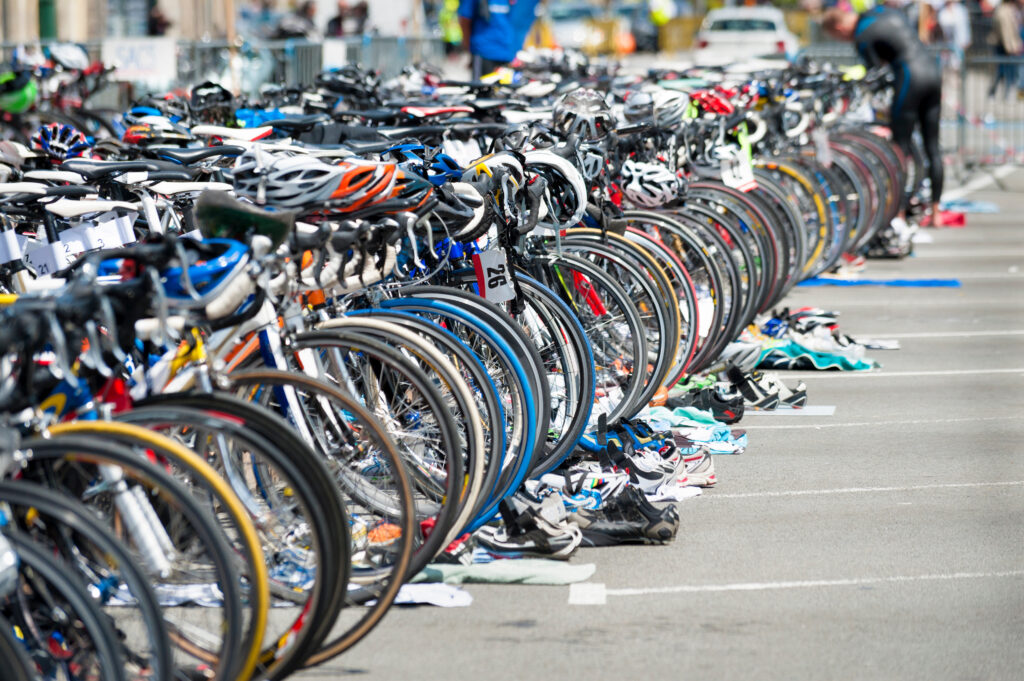
Brailsford’s team tested pillows and mattresses, finding the ideal combination for each athlete to help deliver them the best sleep every night. A surgeon taught the riders how to wash their hands so they could minimize the risk of getting sick. They developed a system to monitor for dust (yes, he want that micro) so they could keep the team bikes perfectly clean and avoid even the slightest of technical issues.
The result? In 2008, five years into Brailsford’s time as performance director, British Cycling took home 60 percent of all gold medals in track and road cycling at the Beijing Olympics. At the next Summer Games in 2012 (on home soil in London), British cyclists continued their dominance, setting nine Olympic records and seven world records.
Brits also found success in the Tour de France, with Bradley Wiggins winning the three-week race in 2012, followed by Chris Froome in 2013, 2015, 2016 and 2017. In a matter of years, British Cycling became one of the top national programs in the world, and it was all thanks to focusing on marginal gains and small improvements.
One Percent Better
“It is so easy to overestimate the importance of one defining moment and underestimate the value of making small improvements on a daily basis,” Clear writes in Atomic Habits. “Too often, we convince ourselves that massive success requires massive action.”
Buying that new featherweight bike with the unparalleled aero profile is going to help you be faster on race day. That training camp you’re going to this spring will help, too, and so will your $300 carbon-plated shoes and all of those supplements you take each morning.
There are plenty of big changes that can be made to give you big improvements in training and racing in this very moment, but they can be pricey and a lot of them are one-time boosts. Sure, your crazy-fast new bike will still be just as light and just as aerodynamic a year from now, but are you going to be satisfied if you hit a plateau on it and don’t continue to improve. That’s what marginal gains can do as you focus to get just a little bit better with every passing day.

“Here’s how the math works out,” Clear writes. “[I]f you can get [one] percent better each day for one year, you’ll end up thirty-seven times better by the time you’re done.”
You won’t see improvements from these marginal gains right away. You probably won’t notice them until you look at your times in training and racing. It’s like going to the gym, doing a killer workout and looking at yourself in the mirror afterward. You’re going to look the same as you did when you walked into the gym earlier. Same with the next day and the day after that and so on until, eventually, you see a photo of yourself from that first day and realize you’re way thinner, way more toned, way more fit now after months of hard work.
Marginal Gains for Triathlon
What are some marginal gains you can apply to your everyday life that will help you as a triathlete? Using British Cycling’s example, look for comfort in your equipment. It’s great to have a lightweight, aero bike, but if you’re uncomfortable on it (whether that’s due to the seat, the fit or something else), you’re likely going to end up being slower than you would be on a slightly heavier or less-aero, but more comfortable, frame. This is the case for any distance of racing, but the longer you go (56 miles for a half-distance race, 112 miles for a full), the more time you’ll lose because the growing discomfort will force you to adjust your positioning and eliminate any aerodynamic boosts the bike promised you.
Fast running shoes are awesome if they work for you, but everyone’s feet are different. Just like with your ride, you need to find the right shoes for your feet, and if those end up being heavy stability shoes that experts would say are only good for training runs, then so be it. You’ll have a hard time finishing a race if your feet aren’t well-protected, so some people will actually save more time on the run course by picking what are generally seen as the “slower” options in footwear.
Now look at sleep. You know sleep is the best recovery method available to you, but so many people don’t get enough of it. Get one percent better by prioritizing sleep, whether that’s getting to bed 30 minutes earlier than you do now, eliminating screen usage before bed or finding the best pillow-mattress combo like the British Cycling riders.
Think about how you fuel in training. It’s easy to lose track of your day, realize you have to rush to do a workout and wind up completing the session on an empty stomach or under-fuelled. If you even do this once a week, you’ll be throwing away valuable mileage that won’t be completed to your top potential. A small change with a huge impact on your training and overall fitness can be consciously carving out time before every training session so you can eat and properly digest your food before hitting the pool, bike, road or gym.
There are so many more tiny changes you can make in your everyday life that will snowball into big gains overall. The key is to remember the progress won’t be visible right now, but if you remain consistent with these adjustments, you’ll see just how far you’ve come as you carry on down the road.




While I don’t doubt that this advice is generally practical for most triathletes, the fact that Brailsford and Co also made heavy use of the TUE program as part of the marginal gains system, does undermine the message somewhat.
I’m astonished the myth of marginal gains persists. It’s a great seductive story, which is no doubt why it’s still told. But it’s nonsense - the TUEs are just one part of why it’s nonsense, another is the massive increase in funding for British cycling, which enabled hiring better coaches, better training camps, better equipment, better conditions for the athletes. None of those are marginal effects. Large amounts of money produce a reality distortion field in which fables are made..
The theory is irrelevant for most triathletes, even it had not been undermined by those stubborn facts. Marginal gains might be useful for world class athletes who have already maximized the basics. For weekend racers spending time on marginal gains is time not spent on the basics and most likely counterproductive.